Plants “sleep” at night.
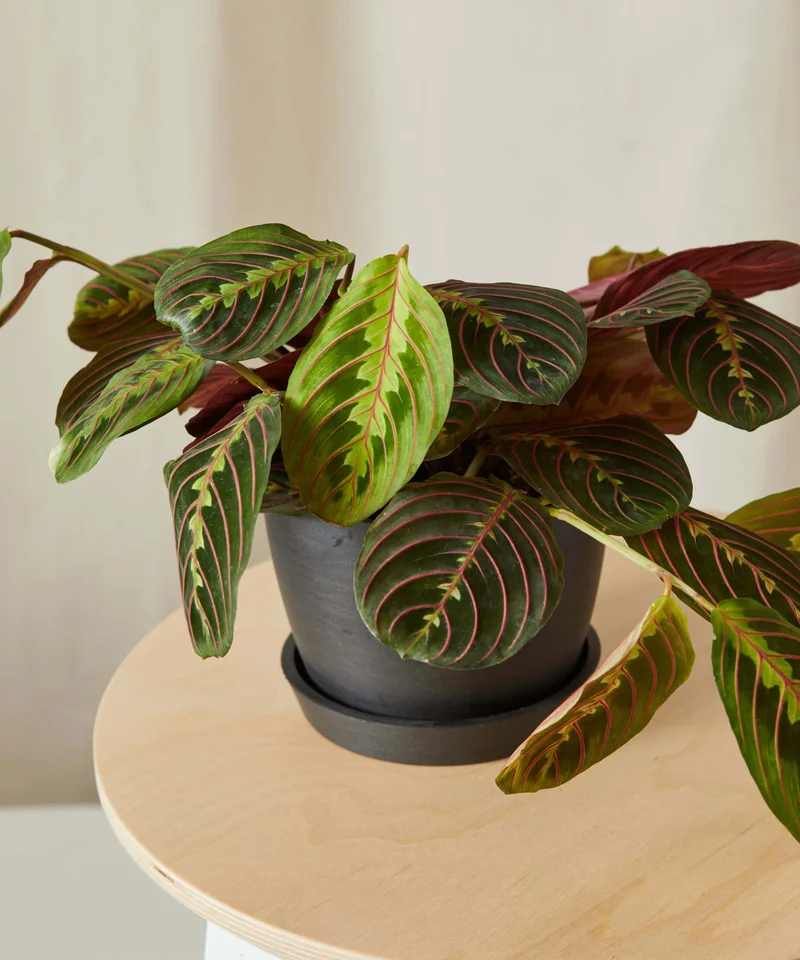
Most houseplants have circadian rhythms, just like humans. At night, they slow their metabolic processes, fold leaves, or even droop like the prayer plant, which literally lifts and lowers its leaves on a daily schedule.
➡️ Yes, your plants have a bedtime routine.
Touching a plant changes its genes.
According to a
study by researchers at University of Western Australia researchers, even a gentle touch can trigger a genetic response in a plant, altering how it grows and protects itself.
➡️ They feel you more than you think.
Plants can recognize their relatives.
Sweet pea plants can distinguish between siblings and strangers. When surrounded by siblings, they grow cooperatively. Around non-relatives, they compete.
➡️ Sibling rivalry: not just for humans.
Houseplants can boost memory and productivity.
A
study by the University of Michigan found that being around plants and nature increased memory retention by 20%. Another
study from Exeter University found productivity rose by 15% in plant-filled workspaces.
➡️ That snake plant isn’t just decor, it’s a brain booster.
Some plants can count.
Venus flytraps don’t snap shut immediately, rather they count the number of touches on their trigger hairs (usually two within 20 seconds) before closing.
➡️ Basically, they wait to make sure it’s worth the effort.