

Overtraining Symptoms Most People Ignore
In fitness, hard work is celebrated. Pushing limits, grinding through fatigue, and staying disciplined are commonly viewed as signs of commitment. But there is a point where “working hard” can quietly become overtraining.
The challenge is, overtraining rarely appears all at once. For many people, it develops gradually through subtle symptoms that are easy to dismiss as stress, lack of motivation, or simply needing more caffeine. Understanding the early warning signs may help athletes, bodybuilders, and active individuals recognize when recovery is no longer keeping pace with physical demand.
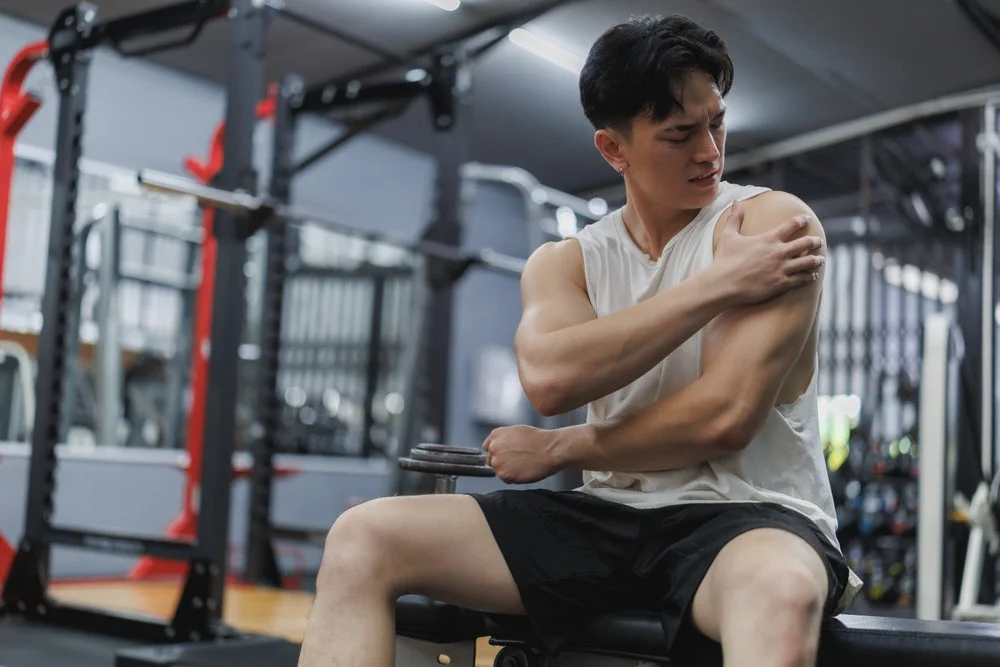
What Is Overtraining?
Overtraining occurs when the body experiences more physical stress than it can adequately recover from over time.
Training itself is not the problem. Intense exercise can be productive and beneficial. The issue happens when recovery systems become overwhelmed by excessive workload, poor sleep, inadequate nutrition, chronic stress, or insufficient rest periods. Eventually, performance and overall wellness may begin to decline.
Persistent Fatigue That Sleep Doesn’t Fix
One of the most overlooked signs of overtraining is ongoing fatigue.
This is not the normal tiredness that follows a challenging workout. Instead, it can feel like a constant physical and mental heaviness that lingers even after rest days or full nights of sleep. People often assume they simply need to push harder, increase stimulants, or improve motivation. In reality, the body may be signaling that recovery resources are depleted.
Declining Performance Despite More Effort
Many athletes expect progress to come from increasing intensity. But one of the clearest signs of overtraining is when performance begins moving backward. Whether that is dealing with a slower recovery between sets, poor endurance, or a general difficulty in completing normal workouts, if your effort continues to increase while your performance declines, your recovery may be compromised.
Increased Irritability and Mood Changes
Overtraining is not only physical. Many people overlook the psychological symptoms that can accompany excessive stress and insufficient recovery. Chronic training strain may influence mood, patience, emotional regulation, and motivation levels. These symptoms are often attributed to lifestyle stress alone, but accumulated physical fatigue can play a major role.

Sleep Problems
Ironically, people who are overtrained may struggle with sleep even when exhausted.
The nervous system can become overstimulated from chronic stress, high training volume, excessive stimulants, or insufficient recovery. Some people experience difficulty falling asleep, restless sleep, or waking up feeling unrefreshed. Poor sleep then further limits recovery, creating a cycle that becomes increasingly difficult to break.
Frequent Illness or Feeling Run Down
The immune system and recovery systems are closely connected. Periods of excessive training stress can leave some individuals feeling run down more often than usual. This may appear as recurring colds, lingering fatigue, low energy, or a general feeling that the body is struggling to bounce back. Many people ignore these signs because they assume they simply need more discipline or consistency.
Sometimes the body needs recovery more than additional intensity.
Loss of Appetite or Digestive Issues
Overtraining can also influence digestion and appetite regulation. Signs can include reduced hunger, bloating, and nausea after workouts. When the body is under chronic stress, systems unrelated to immediate survival (including digestion) can become disrupted.
Elevated Resting Heart Rate
Another subtle sign people often overlook is an unusually elevated resting heart rate. If the body feels constantly “on,” stressed, or unable to fully recover, resting heart rate may remain higher than normal for extended periods. Many athletes track this as part of their recovery monitoring strategy.
Why Recovery Is Part of Performance
Fitness culture sometimes treats rest as weakness, but recovery is where adaptation actually occurs. Muscle repair, nervous system recovery, hormone regulation, and energy restoration all happen outside the workout itself. Without sufficient recovery, training stress accumulates faster than the body can adapt.
Long-term performance depends on balancing your training intensity, nutrition quality, hydration, sleep, and recovery time.
Unlock 10% OFF by signing up for SMS!
Plus, gain early access to flash sales, new products and more!
How to Reduce the Risk of Overtraining
Supporting recovery does not necessarily mean avoiding hard work. It means respecting recovery as part of the process.
Helpful strategies may include:
- Scheduling rest days consistently
- Prioritizing sleep quality
- Managing training volume
- Supporting nutrition and hydration
- Monitoring energy levels honestly
- Reducing excessive stimulant use
Listening to recovery signals is not a lack of discipline. In many cases, it is what allows long-term progress to continue.
Overtraining is often misunderstood because it develops gradually rather than dramatically. The body usually sends warning signs long before complete burnout occurs. The problem is that many people are conditioned to ignore them. Performance optimization is not only about how hard someone can push. It is also about how effectively they can recover, adapt, and sustain progress over time.
Bodybuilding.com Forums Update
The Bodybuilding.com Forums are coming back soon—bringing the community, training talk, and connection back to where it all started. Sign up for updates and make sure to look out for upcoming news and the opportunity to be part of the Forums. Subscribe here.


|
If you have any questions, reply to this email or contact us at a support@bodybuilding.com.
You received this email from Bodybuilding.com. If you would like to unsubscribe, click here.
|
|
Bodybuilding.com strives to give you accurate content, including product information, policies, pricing, and visual displays. Policies, pricing, and item availability are subject to change without notice, and Bodybuilding.com reserves the right to limit quantities. Prices displayed are subject to final approval at the time of order fulfillment. While Bodybuilding.com tries in good faith to make sure that the information displayed is accurate, we are not responsible for typographical errors or technical inaccuracies.


