3 healthy habits to try in 2026 | | | 💙 | Set a “digital curfew.” Put your phone away an hour before bed to avoid mindless late-night scrolling. | | 💙 | Sneak in extra steps throughout your day. Don’t always take the closest parking spot. | | 💙 | Cook a Home Chef meal and enjoy all the comfort of home cooking (with none of the stress). | Home Chef makes whipping up a delicious meal easier than ever. Convenient, reliable, and delivered right to your door, it’s a great way to explore new dishes or rediscover an old favorite.
With meal-planning done for you, your biggest challenge will be deciding which tasty recipes to try. (Pro tip: try Gordon Ramsay's five-star meals on the menu for a limited time!) | |
|
|
| Wait, what...?! | 📝 The “new year, new me” concept is anything but new. Ancient Babylonians may have made New Year’s resolutions 4,000 years ago, the first people in recorded history to do so 🩺 Most resolution-makers are focused on health. While just 3 in 10 Americans said they made a New Year’s resolution in 2025, 79% of those who did said they were focused on health, exercise, or diet. ✍️ An old-fashioned list is more powerful than you may think. You’re 42% more likely to achieve your goals if you write them down. Better yet, keep them somewhere you can see them regularly. |
|
|
💬 We need to talk about… | “Habit stacking” | | When you’re trying to establish new habits, it can be tricky to know where to begin.
On day one, you might have the best intentions, but after a week, the busyness of life can make new goals feel optional. Suddenly, that exercise bike has all your jackets on it and that stack of bestsellers is collecting dust.
So what can you do to boost your stick-to-itiveness?
May we introduce: habit stacking.
What is habit stacking?
A technique where you tie a desired habit to a well-established one, increasing your odds of success.
Does it actually work?
Pinky promise. When you anchor the new habit to something you do regularly, it feels less optional and easier to accomplish.
Habit stacking builds on a psychological principle called “cue-based behavior.” Basically, habits form more reliably when consistent cues trigger them.
In other words, you bypass your brain’s resistance!
How to practice habit stacking:
Step 1: Pick an achievable new habit, and start small. For example, if you have a goal to explore mindfulness, you might begin by doing a simple daily breathing exercise.
Step 2: Tie it to a rock-solid anchor habit. Think: making coffee, walking your dog, or brushing your teeth. Maybe every time you put toothpaste on your toothbrush, you pause and take three mindful breaths.
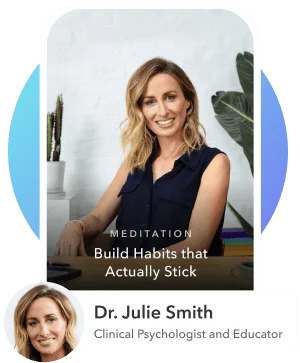
Done and done. (Well, it will be after a few days, once that new habit is fully ingrained.) | | Whether you’re starting fresh or getting back on track, this series in the Calm app can help you make lasting changes with simple tools rooted in clinical psychology. |
|
|
|
|
Start the new year right with
40% off Calm | A Calm Premium subscription gives you all the tools you
need to feel better in your pocket. For less than the
cost of a therapy session. | |
|
|
|