
|
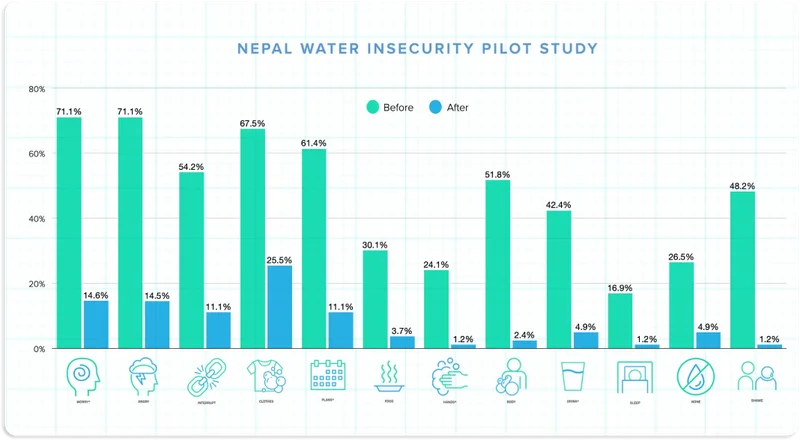
Good News: We’re asking new questions about clean water
And getting unbelievable answers.










This is an email sent by charity: water. All copyrights and trademarks remain the property of their respective owners. Email Inspire is not affiliated with charity: water.
Other Emails from charity: water

Good News: We’re switching things up

Good News: 19 million lives transformed thanks to you

18 years in. So much more up ahead.

Good News: Bright futures are flowing

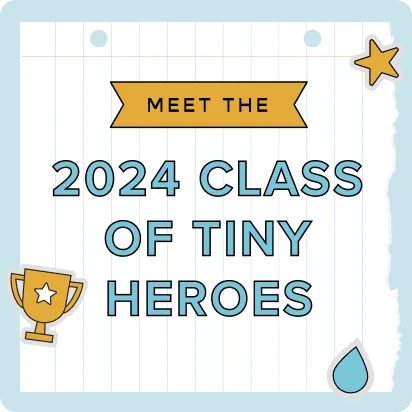
Introducing the 2024 Tiny Heroes!

Good News: The best path forward is the one you pave yourself

What $1 means to me

Our love letter to your selfless generosity
