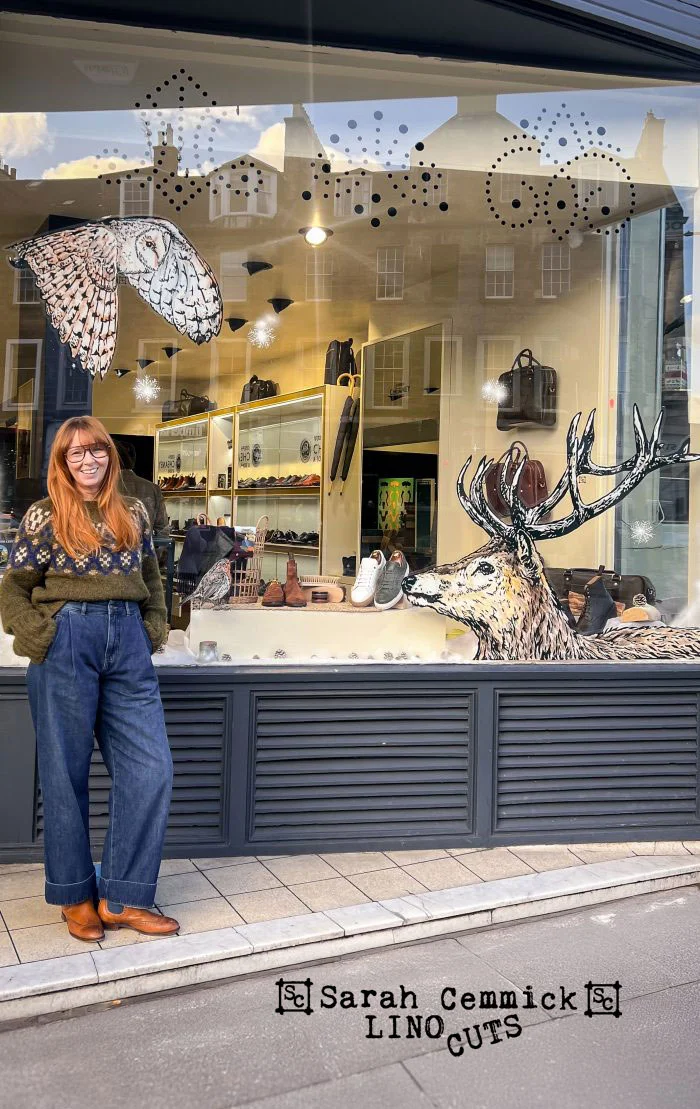
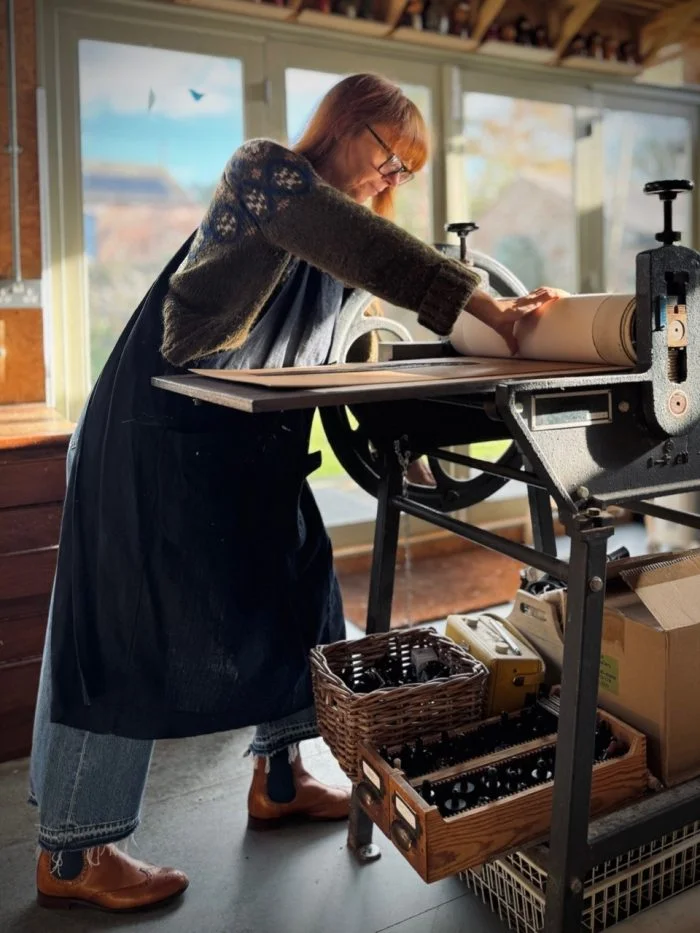
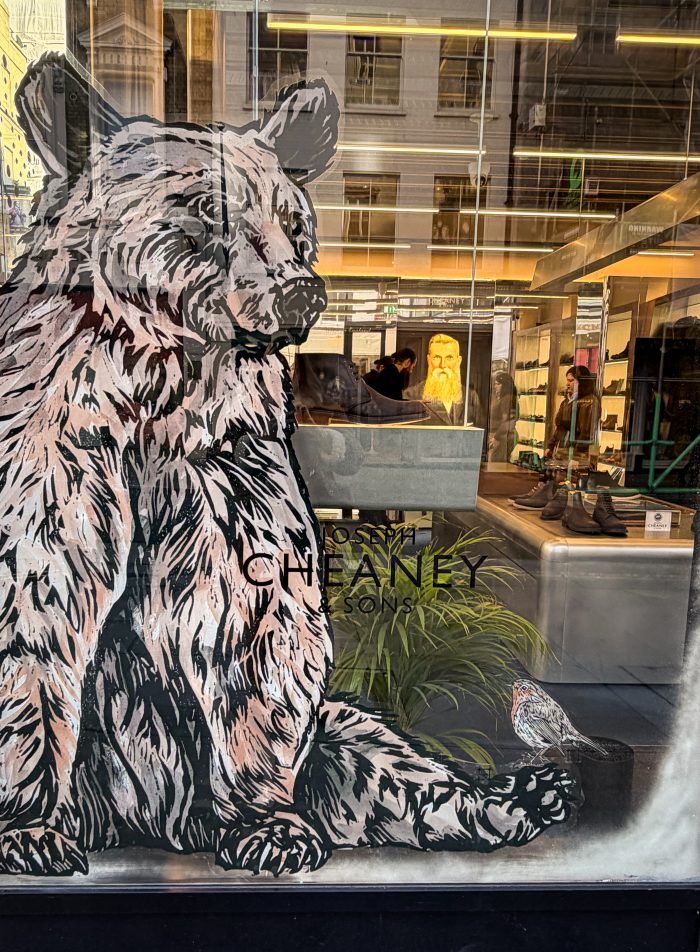
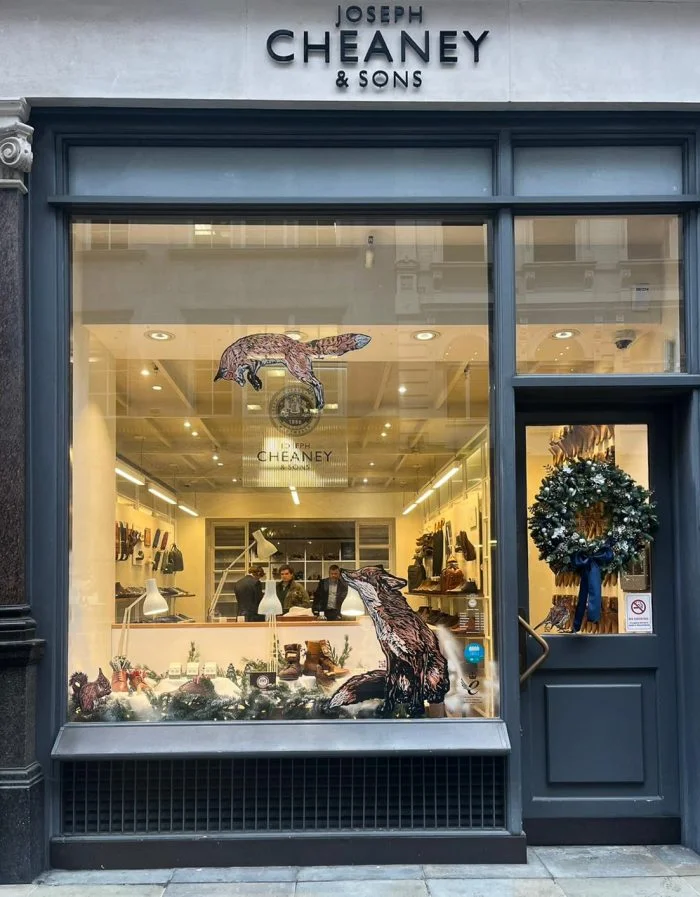
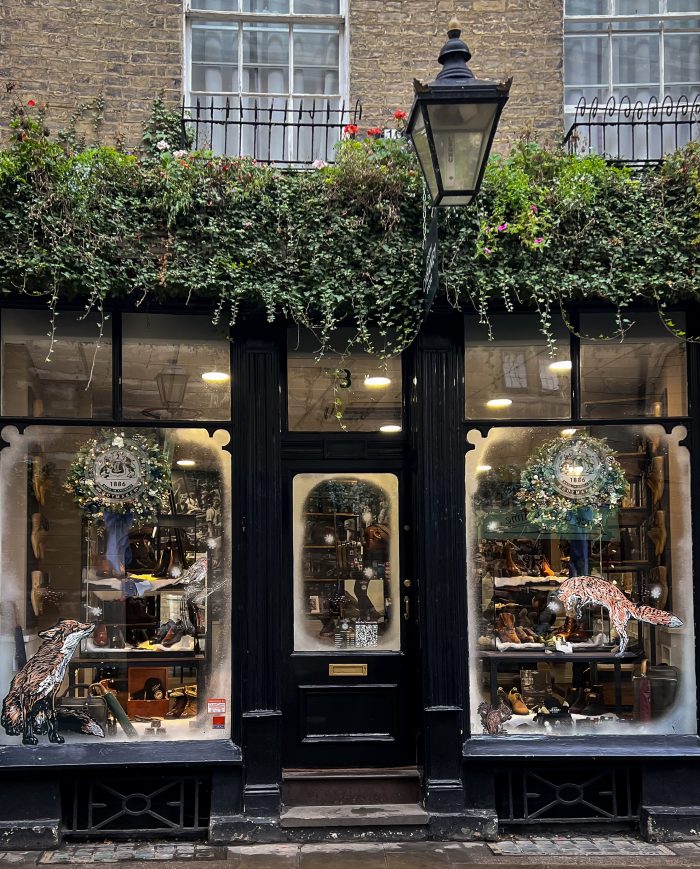
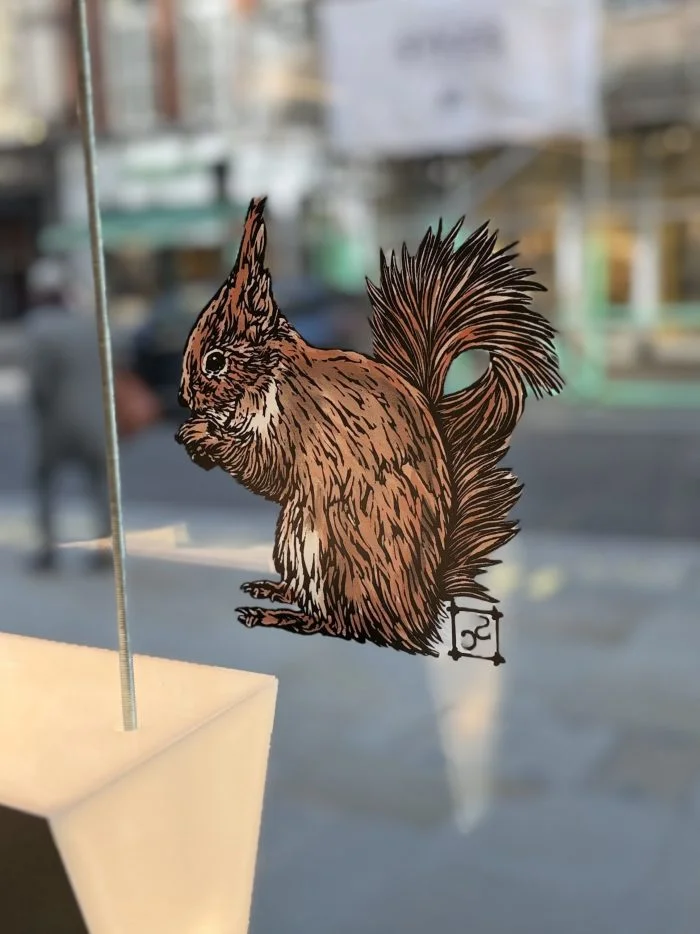
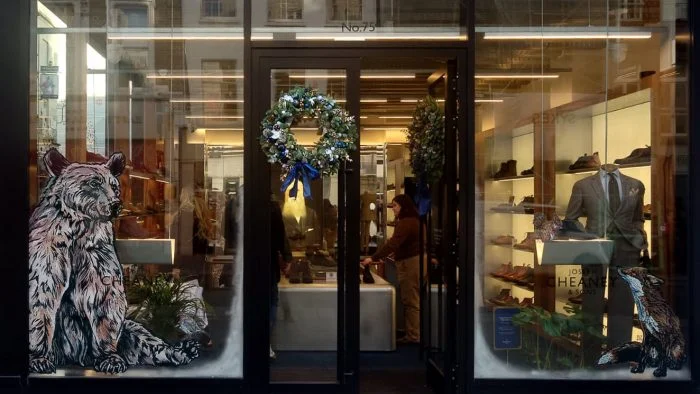
Lino printing is a relief printmaking technique: a design is carved into a linoleum block, the raised surfaces are inked, then pressed onto paper or fabric to transfer the image. The carved-away sections remain blank. The result can range from bold, graphic designs with stark lines to intricate, detailed images, often with a distinctly monochrome, vintage quality.
The technique emerged in the late 1800s, shortly after linoleum was invented as a floor covering. Artists began using it for printmaking around the 1890s, and it gained prominence in the early 20th century, particularly with Germany’s Die Brücke movement and later with Britain’s Grosvenor School. Picasso and Matisse both worked extensively in the medium.
What makes linoleum particularly suitable is its lack of grain, allowing for greater precision and freedom in carving. Sarah hand-colours selected prints with watercolour, adding an extra layer of depth and individuality to each piece.


![Email from Joseph Cheaney. Don't miss our Black Friday deals [Name]!](https://n5su3bze2ea.b-cdn.net/preview-images/e32ee644-1049-4ec4-8d70-3f2bfafd3b2c/Email-newsletter-Joseph-Cheaney_dont-miss-our-black-friday-deals-name.webp?bunny=%5Bobject%20Object%5D&width=300&height=600&aspect_ratio=300%3A600)