|
|
| |
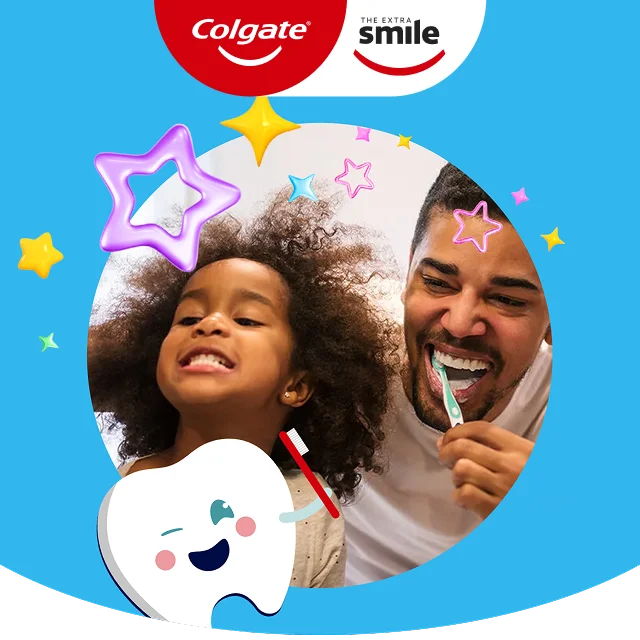
3 tips for Children's Dental Health Month
| Here are our expert insights to help make dental care
feel less like a chore and more like a win. | |
| | |
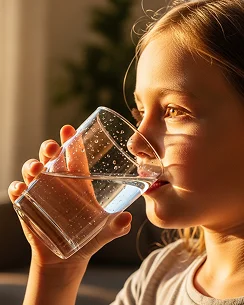
| | 1. Sip Smart
| If your sleepyhead needs a drink
before bed or naptime, make it water. Sugary liquids can linger on teeth
overnight, increasing cavity risk. Save milk and juice for mealtimes when
they’re enjoyed in one sitting. | |
| | | |
| The National
Institute of Dental and Craniofacial research reports that 23% of children
ages 2 to 5 develop cavities in their baby teeth.* |
| | |
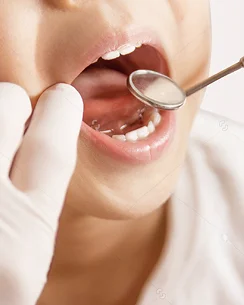
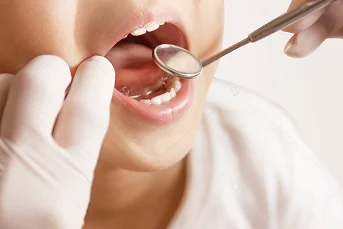
| | 2. Start Dental Visits Early
| Early visits help with prevention
and confidence building. Explain what to expect at their dental appointment in
simple, upbeat terms. A calm introduction sets the tone for yearsto come.
|
| | | |
|
| Floss picks are
a great starter tool for little mouths.
| |
| |
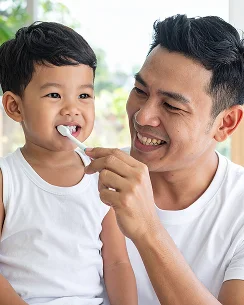
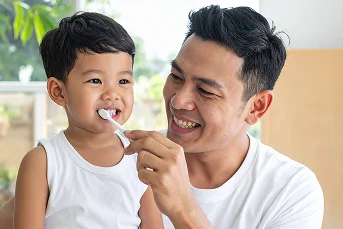
| | 3. Build A Routine Together
| Twice-a-day, use a rice-sized amount
of toothpaste (pea-sized after age 2) on an extra-soft toddler toothbrush.
Make it fun with songs and games, or even tell stories. Then, once teeth start
touching - introduce flossing. | |
| | | |
|
The American
Academy of Pediatric Dentistry recommends that, your child should see a
pediatric dentist when the first tooth appears, or no later than his/her first
birthday.** | | |
|
| |
Parent’s Guide to Happy Brushing
| Mandy Dennis, RDH, breaks down 10 practical tips
including the right technique for every age, and tips on how you can make oral
care fun. | | |
| | |
| |
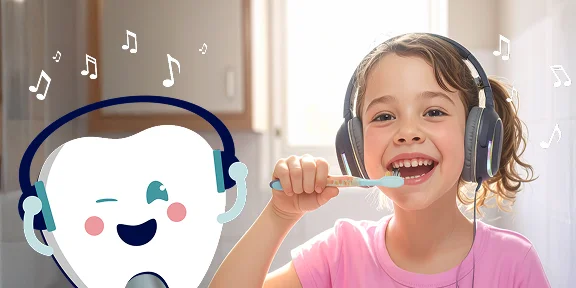
Turn Brushing Into a Dance Party
| Listen to our brushing playlist created with the help
of parents like you. | | |
| | |
| *Pulled from the Dental
Caries (Tooth Decay) in Children Ages 2 to 11 Years study last reviewed
January 2025. Read their full report here.
**Pulled from More
Than Just a Cute Smile: Why Your Baby’s Tiny Teeth Are a Big Deal. Read the
full article here. | | |
|
|
|
|
|
|
|
|
|
|
|
|