Eye strain is often treated like something to push through. A minor inconvenience. A normal part of long days and longer to-do lists. But discomfort is rarely random.
When your eyes feel tired, dry, or strained, they’re not failing you. They’re communicating. They’re responding to hours of brightness shifts, close focus, glare, and constant visual processing. In a world built around screens, that load adds up.
It’s easy to dismiss the signs. Rub your eyes. Blink a few times. Grab another coffee. Keep going.
But eye strain isn’t the problem. It’s the signal.
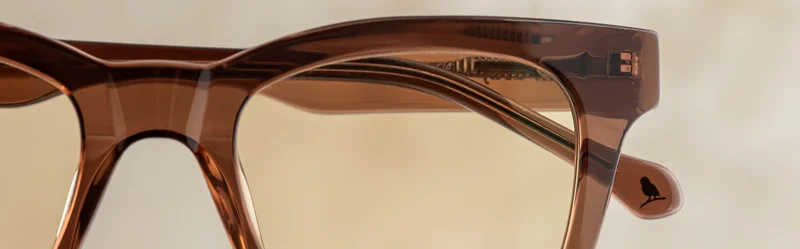
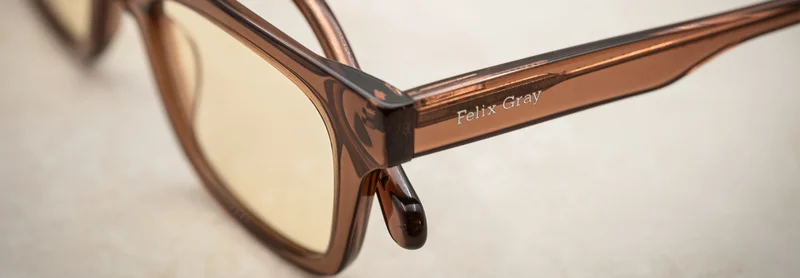
A signal that your visual environment might need adjusting. That your eyes are working harder than they have to. That small changes, better lighting, reduced glare, blue light filtering lenses could make your days feel noticeably more comfortable.
The goal isn’t to eliminate screens; that’s unrealistic. They’re how we work, connect, and create.
The goal is to make screen time sustainable.
Supporting your eyes isn’t dramatic. It’s practical. It’s choosing tools that reduce unnecessary strain so your focus feels steadier, not depleted by mid-afternoon.
When you start listening to the signals instead of overriding them, something shifts. Work feels smoother. Evenings feel less heavy. Your attention lasts longer.
As you move through the rest of your week, it’s worth noticing:
Are you pushing through discomfort — or paying attention to what it’s telling you?
Here’s to clearer cues, steadier focus, and support that keeps up with your days.
— Felix Gray