|
Together with:
|

|
|
|
|
|
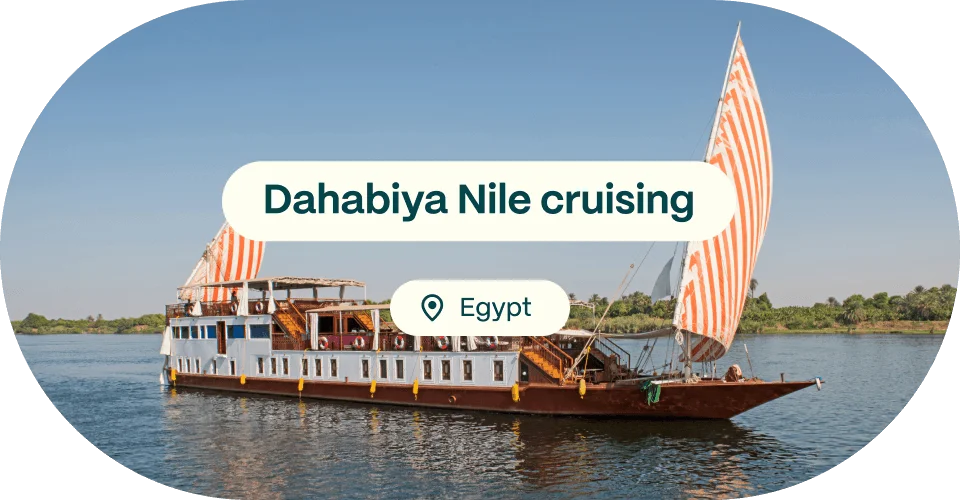
Warm, gentle winds against my skin. Fresh sugarcane juice in hand. The call to prayer lingering in the air while we passed archaeological treasures. This is what I recall of my time sailing down the Nile River on a dahabiya, passing monuments, villages, and riverbanks lined with mango trees, wild horses, and kids waving as we sailed by.
Dahabiyas, Egypt's traditional shallow-bottomed passenger sailboats, trace their origins back thousands of years, with the name derived from the Arabic word for "gold.” In ancient Egyptian tombs, there are illustrations of the river-going sailboats that once served as the primary means of transportation along the Nile, which stretches more than 4,000 miles, partially through Egypt, to the Mediterranean. Their prominence gradually waned as steamboats and trains emerged as the leading modes of travel for the masses. But for intrepid travelers of the 19th century, traditional dahabiyas remained a way to cruise the Nile in style.
|
|
|

Become an AARP member and get access to travel benefits
This year, we’re all about wide open spaces, road tripping, and the great outdoors. If
you’ve got a trip planned, or are thinking about a last-minute weekend getaway, let AARP help.
Right now, sign up for AARP and get 25% off your first year of membership—you pay only $15 for the first year with automatic renewal.
|
|
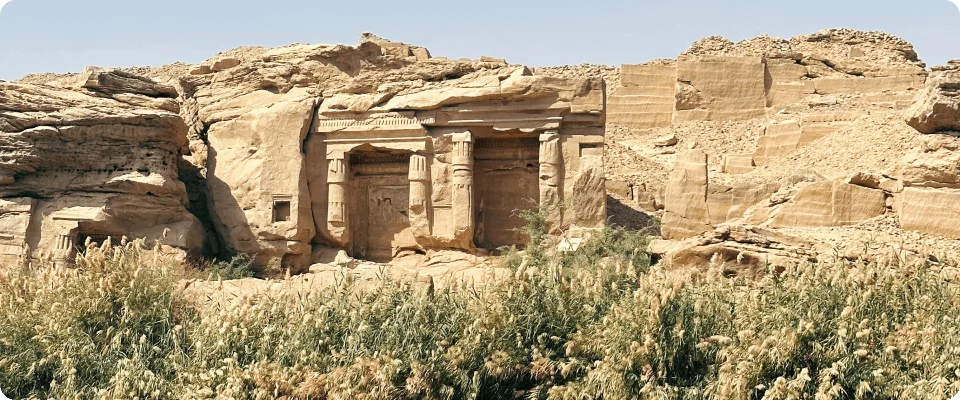
This era, known as the Golden Age of Travel, welcomed wealthy adventurers, writers, and archaeologists as they traded Europe’s cold winters for a holiday wrapped in Egypt’s warmth. These travelers would rent such boats for extended periods, leisurely drifting from one temple to another, powered solely by the gentle breeze of the river.
Today, modern travelers can still experience the Nile this way, thanks to the numerous boats that embark on journeys ranging from one to five nights, allowing guests to experience river life up close. These beautiful wooden boats dock in serene locations away from bustling towns, granting access to the Nile's lesser-explored ancient sites. It's an ideal escape from the fast-paced intensity of cities like Cairo and Alexandria.
I traveled with Nour El Nil on their ship, El Nil, as it sailed 155 miles from Esna to Aswan over six days. Although El Nil is their third-largest boat, it’s still intimate, featuring an expansive top deck with low-slung seating, a cozy salon, and 10 guest rooms for up to 20 guests.
|
|
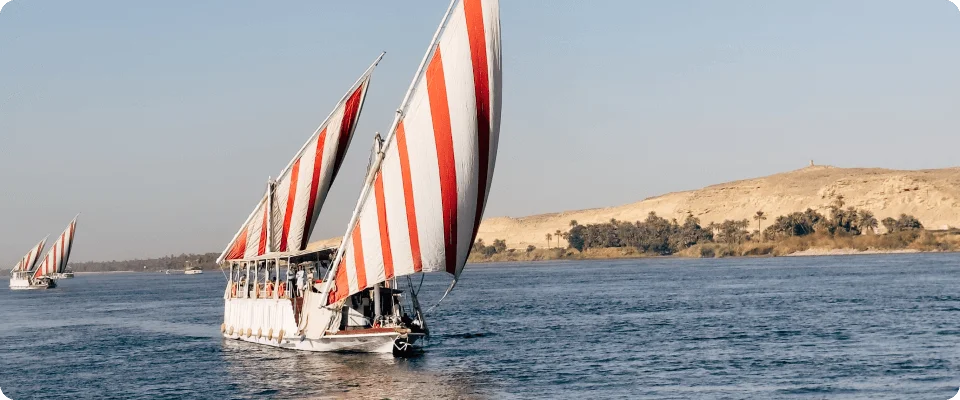
Known for its striking white and red striped sails, Nour El Nil’s fleet is unmissable as you set sail down the river. Built with modern luxuries and a blend of authentic architecture, the El Nil has wood construction, two triangular sails, bright white molding, and small but comfortable guest rooms with one or two beds, bedside tables, fans, a closet, a humble bathroom, and windows that let in loads of natural light. Upstairs, the open-air top deck is ideal for sipping, snacking, sleeping, and soaking up the views as you slowly sail by.
Nour El Nil introduced their dahabiyas to the Nile over a decade ago and offers insider knowledge that makes the journey truly exceptional. Providing the longest sail time (5 nights/6 days) between Luxor and Aswan, they allow guests to experience the ins and outs of the Nile for longer than the rest.
By carefully designing a voyage that leads guests to unexplored corners of the Nile's valley and temples, particularly during quieter hours of the day, the experience unfolds with a sense of exclusivity, as if you are the sole adventurers in these remarkable destinations. From stepping inside local villagers’ homes to watching the sun go down while docked on uninhabited islands along the river, these are experiences not offered by the larger boats.
This slow pace of the voyage afforded me the opportunity to experience all the culture, history, and relaxation I dreamt of along the Nile Valley in the most peaceful setting. Walking around local villages and through orchards or stepping in and out of temples scattered along the river’s banks, I met Egyptians as they went about their daily lives. I read under the sun and dined under the stars.
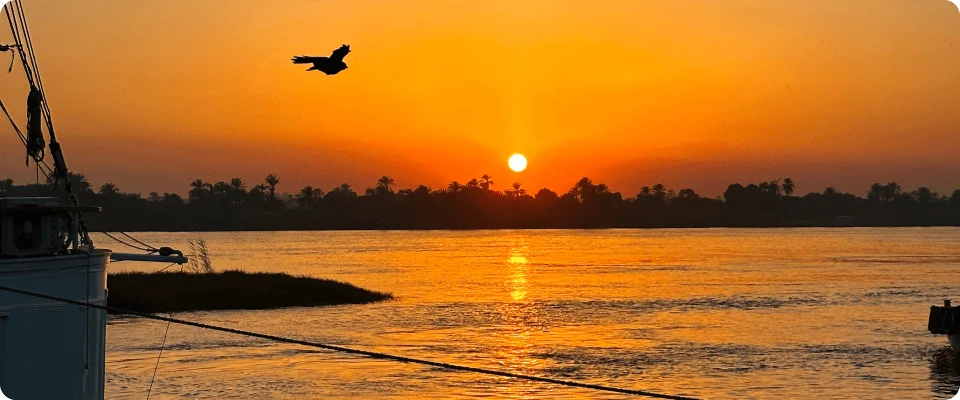
On the third day of our voyage, we spent the heat of the afternoon on a private island along the river—joining the crew for our first dip into its shocking but refreshing waters. Not long before sunset, we sailed a bit further and were greeted excitedly by local children and guided on a desert walk that ended with a bird’s-eye view of the Nile.
On our last morning, we docked alongside Kom Ombo, a double temple dedicated to the crocodile and falcon gods, exploring and learning from our guide before the afternoon rush arrived.
|
|
|
Trusted Housesitters connects homeowners and house and pet sitters so you can work remotely without paying for accommodations.
Right now, Going members can get 20% off all new subscriptions of any membership tier with the code #######.
|
|
Throughout the trip, the ship had a warm, inviting ambiance, made even better by the hospitality of the local crew. From hunting down my favorite sunscreen while docked in port to arranging a rejuvenating massage with the onboard masseuse to serving refreshing juice after an afternoon temple visit, their attention to detail left me oohing and ahhing throughout the journey.
I also loved indulging in the family-style Egyptian cuisine prepared from fresh ingredients sourced from local farmers and fishermen along the river. The menu was a surprise every day, with traditional dishes like sweet crepes smothered in fig jam and creamy tahini, roasted eggplant curry, zucchini in tomato sauce, and fresh falafel.
The itinerary is also a bit of a surprise. A detailed itinerary is not shared at any point during the trip, as these boats are bound by the ways of the river, and plans are quick to change. Each evening, the boat’s captain brings guests together to share how the next day will unfold. One day, he even asked us all how we desired to escape the heat—by visiting another temple or veering off course to dip into the river.
That laissez-faire attitude is what makes the experience of floating down the Nile in a dahabiya so special. Lingering just a bit longer for another swim or docking on a beautiful island just in time to catch the sunset, the trip is fleeting, but the moments are stretched out as far as they can go.
|
|
How to do it
Want to cruise your way down the Nile on a traditional dahabiya? Read our guide for the best time to go, how much it costs, and tips for making the most of your experience.
|
|
|
|
Getting there
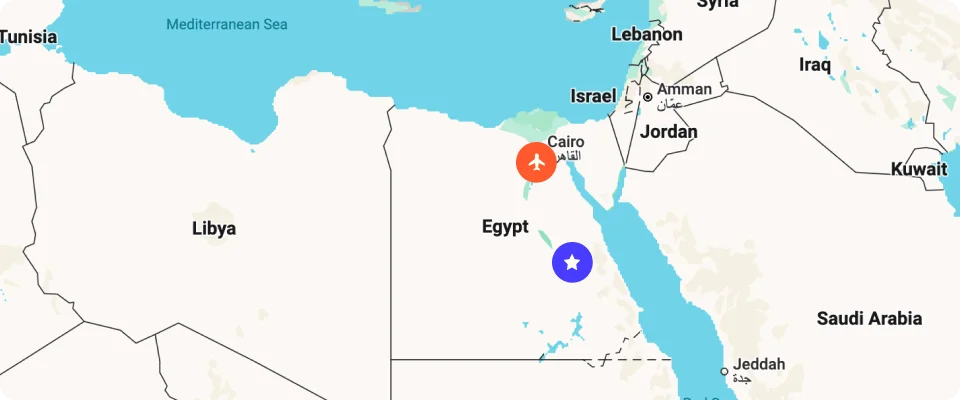
Most traditional dahabiyas set sail from Esna, ending their voyage in Aswan. The nearest airport is Luxor International Airport (LXR), though most international flights arrive in Cairo (CAI). Most cruising companies will pick up passengers from their Luxor hotel and transfer south to Esna (approximately one hour) to the port, or you can hire a local driver or Careem (Egypt’s take on Uber) from the airport to Esna Port, located on the river’s west bank.
|
|
$669 Average Going deal
|
|
$930 Normal ticket price
|
|
|
|

|
Interested in a trip to Cairo?
Premium and Elite members get alerts for specific trip destinations and dates in the Going app.
|
|
|
|

New handle, same great deals
PSA: We’ve changed our Instagram handle to @going! Follow along for deal drops, travel inspo, and more.
|
|

|
|
With local expert:
Ariana Dickson
|
Ariana Dickson is a travel writer and hospitality-focused Brand Marketing Consultant based in Denver, Colorado. Often elsewhere, she's lived in Mumbai, India, and traveled to 30 countries along the way. You can usually find her exploring off the beaten path, road-tripping, or taste-testing lavender lattes. Connect with her on Instagram @arianadickson to follow her perpetual wanderings.
|
|
|
Share with a fellow travel lover by forwarding to a friend.
|
|
|
Get the app today 
|
|
|