Where whisky is supreme, beaches are lauded, and wilderness awaits…
To some, it might be the edge of the map, but to others, the island of Tasmania, about 150 miles off the southeast coast of Australia, is one of the most beautiful and inspiring places on Earth.
Tasmania is roughly the same size as the state of West Virginia, but it’s been left largely untouched—
more than 20% of the entire state is protected as part of UNESCO’s Tasmanian Wilderness World Heritage Area, and just over 40% of the entire island is a national park or reserve.
Most visitors arrive via the capital, Hobart, a charming historic town along the Derwent River. It’s worth a few days of exploration. You’ll find great museums, the gorgeous Mount Wellington, and the well-loved Salamanca Market, held every Saturday. From there, Tasmania is your oyster, with wilderness, national parks, and forests ready to be discovered. One of the best things about Tassie is its rugged landscape, so lace up your hiking shoes and prepare to be amazed.
|
|
|

Earn more with The Platinum Card® from American Express®
Earn as high as 175,000 Membership Rewards points after you spend $8,000 on eligible purchases on your new Card in your first six months of Card Membership.
Apply and find out your welcome offer. Welcome offers vary, and you may not be eligible for an offer.
|
|
Tasmania’s Indigenous history
Tasmania has been home to Aboriginal Tasmanians for at least 35,000 years, making Tasmanian Indigenous culture one of the oldest in the world. Around
10,000 years ago, the rising of the Bass Strait separated Tasmania from mainland Australia. Geographical separation led to Aboriginal Tasmanians developing their own language, which wasn’t understood by Aboriginal groups living on the mainland.
Tragically, European arrival to Tasmania, or lutruwita, which is the Indigenous name for the island, decimated much of this culture through
genocide, with Indigenous Tasmanian descendants still fighting for reparations. In 2008, the
Tasmanian government approved a $5 million AUD fund for children from the Stolen Generations, a national government program that ran from
1910–1970 and led to Indigenous children being taken away from their families. The original Tasmanian Aboriginal language, palawa kani, no longer has any living speakers. However, the palawa kani Program, through the
Tasmanian Aboriginal Centre, is working to retrieve and recover palawa kani through surviving audio recordings.
While Dutch explorers were the first to arrive in the 1640s, it was not until 1803 that the first permanent settlement was established when Tasmania became a British penal colony known as Van Diemen's Land. It’s believed that more than 70,000 convicts were sent there in the 19th century, with the remote and isolated island reserved for only the worst offenders. In 1901, Tasmania officially became part of the emerging Australian federation and an Australian state, with Hobart as its capital.
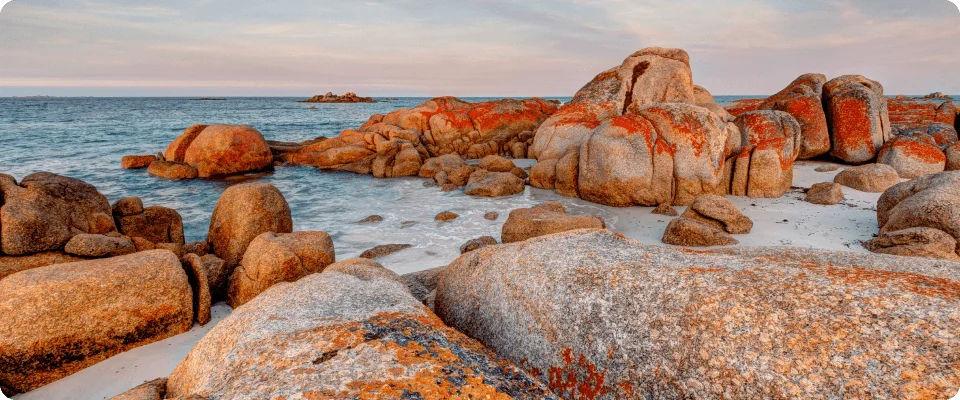
Indigenous Tasmanians are proud of their heritage, and one of the best ways to learn more is by supporting Indigenous-owned tourism businesses like the
wukalina Walk, a guided walking and cultural experience through the Bay of Fires. Hobart’s Tasmanian Museum and Art Gallery also has a permanent exhibition,
ningina tunapri, that celebrates Aboriginal culture on the island. More and more government recognition is also being given to Indigenous place names—there are now
28 landmarks and places in Tasmania officially acknowledged by both their palawa kani and English names.
|
|
|
Trusted Housesitters connects homeowners and house and pet sitters so you can work remotely without paying for accommodations.
Right now, Going members can get 20% off all new subscriptions of any membership tier with the code #######.
|
|
Walks for days
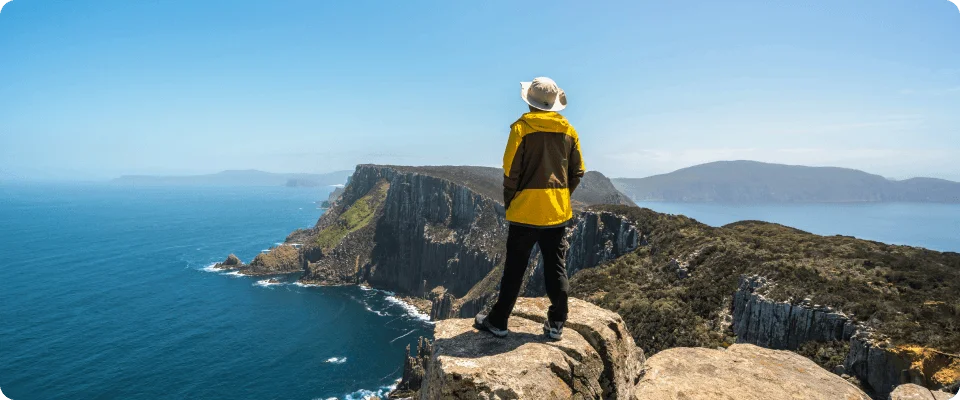
To truly experience Tasmania, you need to take a hike—literally. Tassie is known for its natural beauty, best explored via one of the state’s multi-day walks. Visitors will find over 1,700 miles of walking trails and more than 880 unique walks across the island. Arguably, Tasmania has the best selection of bushwalks, or hikes, within Australia. Adventures such as the epic 6–8 day
South Coast Track and the shorter 4-day
Three Capes Track, which opened in 2015, are the best ways to immerse yourself in nature.
Pristine beaches, jagged cliffs, and unique flora await, from the soaring King's Holly tree to the tiniest fungi and mosses. However, don’t set off without training and the right gear, as these hikes are no walk in the park. Some hikes offer accommodation huts that intrepid hikers need to pre-book, while others require you to be self-sufficient.
If you’re looking for something a bit less intense, you can find plenty of
easy day walks across Tasmania as well. There’s even a short hike up the 4,000-foot Mt. Wellington, overlooking Hobart, which can be done in about 1.5–2 hours each way.
|
|
Wineglass Bay
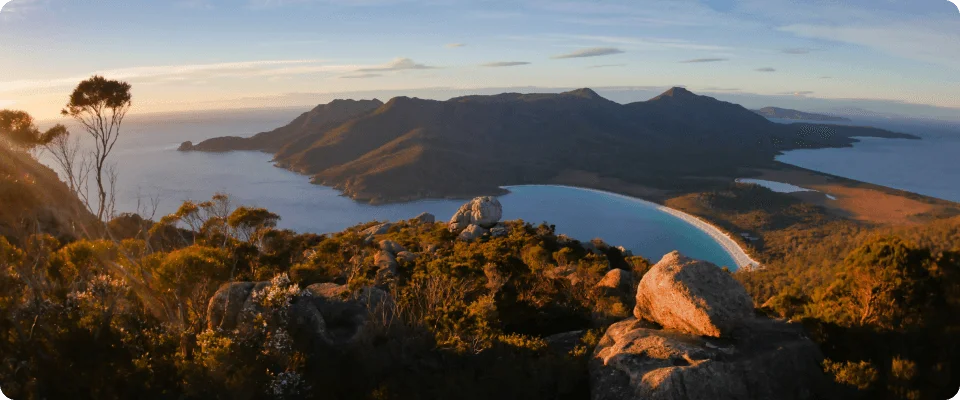
Your cup runneth over at Wineglass Bay, one of the most picturesque places on the island—if not the world. This pristine inlet, part of Freycinet National Park, regularly finds itself on the world’s best beaches lists for its pink granite cliffs, unbelievable water clarity, and perfectly formed horseshoe bay.
However, the key is to time your visit on a sunny day. Without the sparkle from the sun, the turquoise waters of the beach don’t stand out, and you’re not going to get those glowing, clear photos. Tassie’s weather is notoriously unpredictable, so if you see a break in the clouds, go for it!
Read more
- The island off an island off an island
- Fierce Tasmanian devils—and even fiercer whiskies
- National parks to add to your list
|
|
HBA flight price history
|
|
$892 Average Going deal
|
|
$1,500 Normal ticket price
|
|
|
|

|
Interested in a trip to Tasmania?
Premium and Elite members get alerts for specific trip destinations and dates in the Going app.
|
|
|

|
|
With local expert:
Katie Dundas
|
Katie Dundas is a freelance writer based in Sydney. Originally from the US, she’s called Australia home since 2012 and loves hiking and exploring one of her favorite parts of the country, Tasmania. Follow her adventures on
www.theaccidentalaustralian.com or @theaccidentalaustralian on Instagram.
|
|
|
Share with a fellow travel lover by forwarding to a friend.
|
|
|
Get the app today 
|
|
|