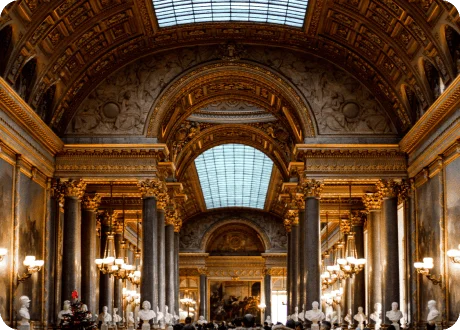
Where bread is elevated to an art form, strikes are a part of life, and one of the best ways to see the city is from the water...
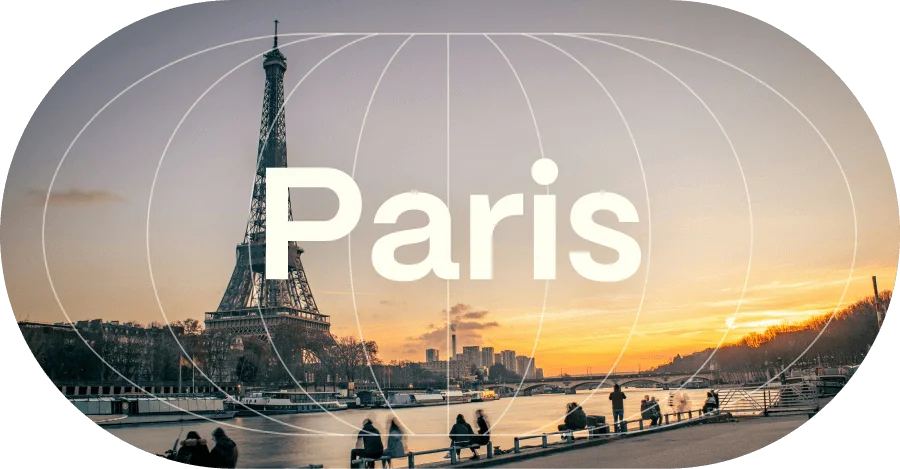
Ah, Paris. Just the mention of it is enough to make many people go misty-eyed. An ancient city long known as an international hub for food, art, fashion, and culture, it’s above all cloaked in an aura of romance.
Although the reality might not match the idealized image (there’s even a disorder called Paris syndrome that describes the deep disappointment some first-time visitors suffer when the real thing doesn’t meet their expectations), it can’t be denied that Paris still has a certain magical feeling unlike anywhere else.
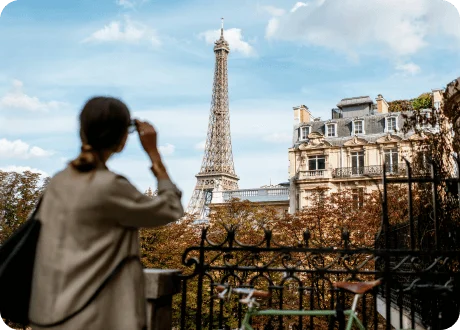
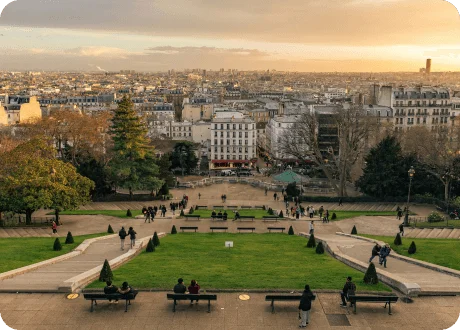
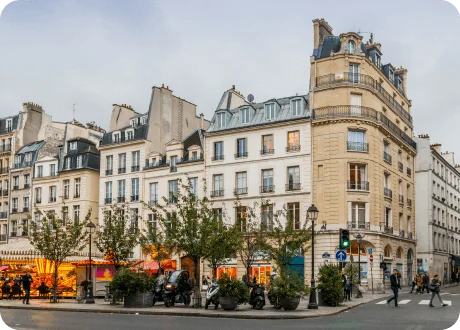
With its graceful architecture, buzzing sidewalk cafes, lush green parks and gardens (more than 480 of them), chic boutiques, famed museums like the Louvre, and more than 40,000 restaurants, Paris has plenty to offer the 40 million–plus visitors it attracts most years.
So, while it might not be quite the dreamy paradise it’s sometimes hyped up to be, a trip to Paris always has been—and remains—a good idea (even if the famous quote attributed to Audrey Hepburn actually comes from the 1995 remake of Sabrina.)
|
|
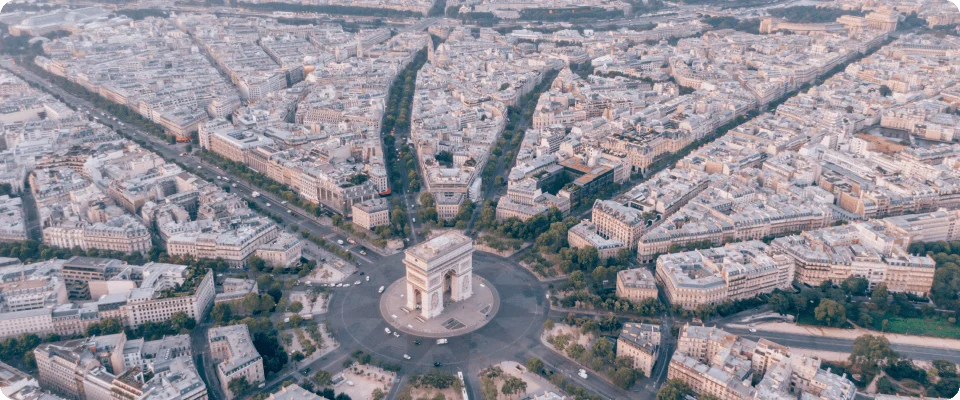
Mapping the city
Paris is divided into 20 subdivisions, called arrondissements (meaning “to round off” or “to make round”), which are arranged in a clockwise spiral, like the shape of a snail’s shell. The spiral starts from the 1st, which centers on the Louvre, and ends at the 20th, Ménilmontant, in northeastern Paris. Each arrondissement has a name in addition to a number and has its own separate administration, headquartered in a mairie (town hall) with an elected mayor.
In 2020, the first four arrondissements were, somewhat controversially, combined into a new arrondissement called Paris Centre and now share a single mayor. While their administrations have been consolidated, they continue to exist as separate entities in name and character.
The other major division of the city is into the Right Bank (Rive Droite) and Left Bank (Rive Gauche). The Right Bank describes all of Paris north of the river Seine, while the Left Bank is anything south of the river. Historically, the Right Bank was considered more sophisticated and refined, while the Left Bank was generally more bohemian. These days those distinctions no longer have much meaning, with artsy, working-class, and high-end areas on both sides of the river.
|
|
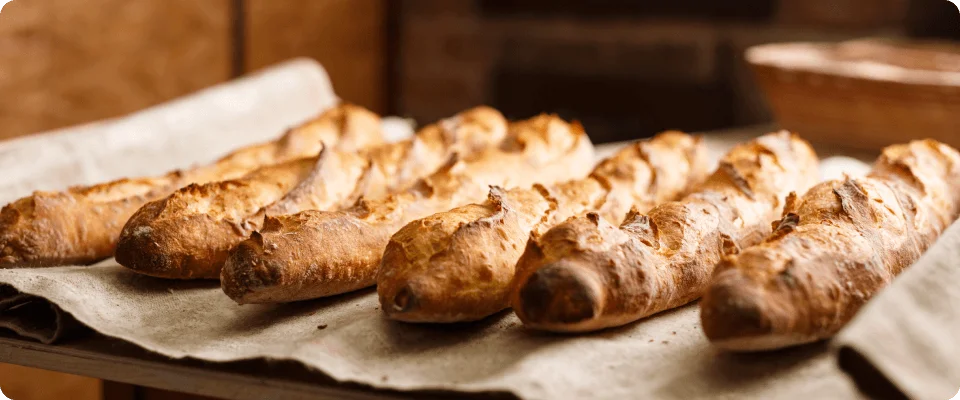
When a simple baguette isn’t so simple
What’s the most Parisian baked good? A macaron? A croissant? If you pay attention to what locals are carrying as they stroll around the streets, you’ll quickly realize that it’s a baguette.
Parisians usually buy baguettes daily or even twice a day—once in the morning and once in the evening. You’ll often see them being carried bare or wrapped in a scrap of paper, fresh and still warm from the oven. You might even catch someone munching on the tip—le quignon—on the way home from the bakery. (Although eating while walking is generally frowned upon in Paris, baguette nibbling is an exception.)
If you want to try the best baguettes that Paris has to offer, don’t buy them in a supermarket. Look for a boulangerie, preferably one displaying a yellow-and-blue sign that indicates an artisan bakery—and with a line out front, which often indicates a neighborhood favorite.
Ask for une tradition to order a baguette de tradition (sometimes called a baguette à l’ancienne or baguette de campagne), which is higher quality and more flavorful than a baguette ordinaire. While an ordinary baguette could easily be mass-produced in a factory, a baguette de tradition must be handmade and baked on-site. If you prefer your baguette golden-brown with a crunchy crust, you can order it bien cuite, and if you prefer it softer and paler, you can ask for it pas trop cuite. It’s also fine to order a demi-baguette (half a baguette).
|
|
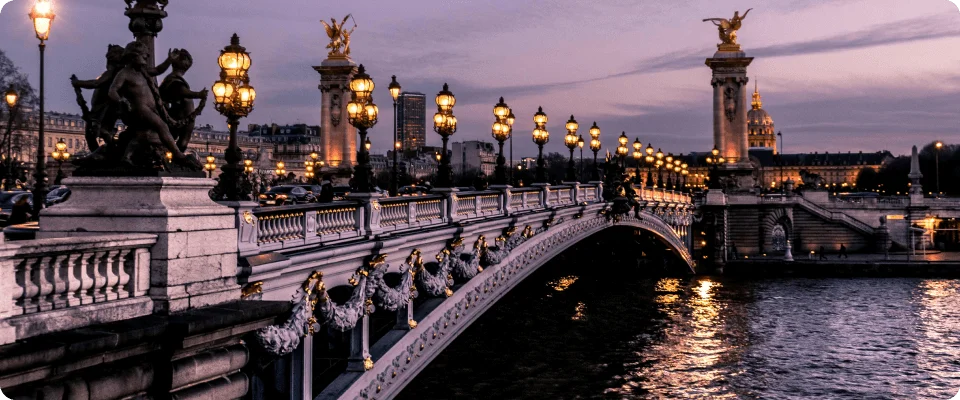
The city of love, light, and a dozen other names
As the most romantic (or romanticized) place on Earth, Paris is often referred to as the City of Love. Its most common nickname, though, is the City of Light (La Ville Lumière), sometimes also referred to as the City of Lights, attributable both to the major role Paris played as a center for new ideas during the 17th–18th centuries’ Age of Enlightenment (Le siècle des Lumières) and because in the 1820s it was one of the first cities in the world to be lit by gas street lamps.
But alternative names for Paris don’t end there. Locally it’s often referred to as Paname, a moniker said to originate from the stylish Panama hats that fashionable 19th-century Parisians wore. It’s also often nicknamed Lutèce, a reference to Lutetia, the city’s original name when it was first a Gallic settlement and later part of the Roman Empire.
As for the origins of its current, official name, it was called Paris beginning in the 4th century CE after the Parisii, the tribe of Gauls who first settled the area around 250 BCE.
Read more
- Renting your own boat for a floating picnic on the Seine
- How to maneuver the inevitable strike during your visit
- A main Parisian draw with somewhat seedy roots
|
|
CDG flight price history
|
|
$499 Average Going deal
|
|
$950 Normal ticket price
|
|
|
|

|
Interested in a trip to Paris?
Premium and Elite members can find, watch, and get alerts for specific destinations on their Watchlist.
|
|
|
|
|
|
|
|
|
12 of the best day trips from Paris
Read more
|
The perfect itinerary, from 2 to 5 days
Read more
|

|
|
With local expert:
Danette St. Onge
|
Danette St. Onge is a freelance food and travel writer. She lived in Paris for the past six years and is now based between Paris and London.
|
|
|
Share with a fellow travel lover by forwarding to a friend.
|
|
|
Get the app today 
|
|
|