|
Together with:
|

|
|
|
|
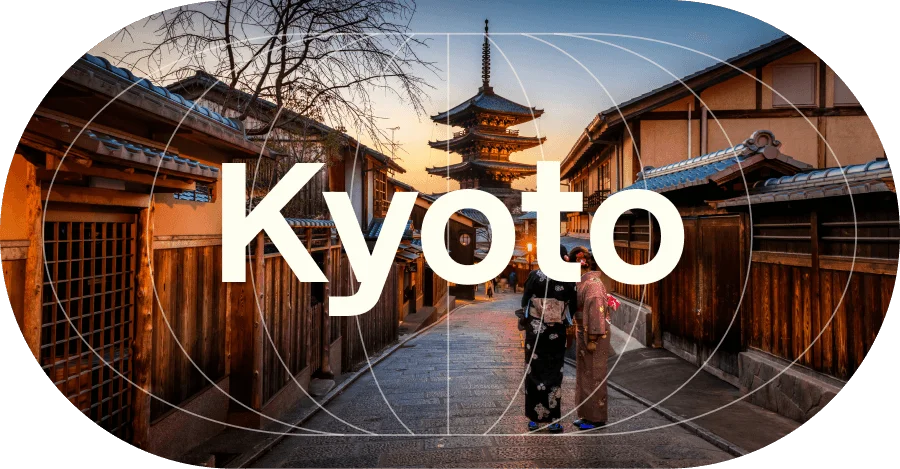
Where the bamboo sings, shrines are ancient, and tea and sake are always flowing...
Founded as Heian in 794, Kyoto was the capital of Japan for more than 1,000 years. While Tokyo may have taken over as the seat of governmental power, Kyoto remains the cultural capital of Japan. It’s the birthplace of many of the country’s traditional arts and crafts, from kabuki theater to impossibly refined kaiseki cuisine—traditions passed down by artisans from generation to generation.
With its stunning temples, gorgeous gardens, tranquil tearooms, and geisha strolling down cobblestone streets, the city looks like a woodblock painting come to life. Kyoto is also, however, a vibrant modern metropolis full of artists and innovators building a bridge between the past and the present.
|
|
|
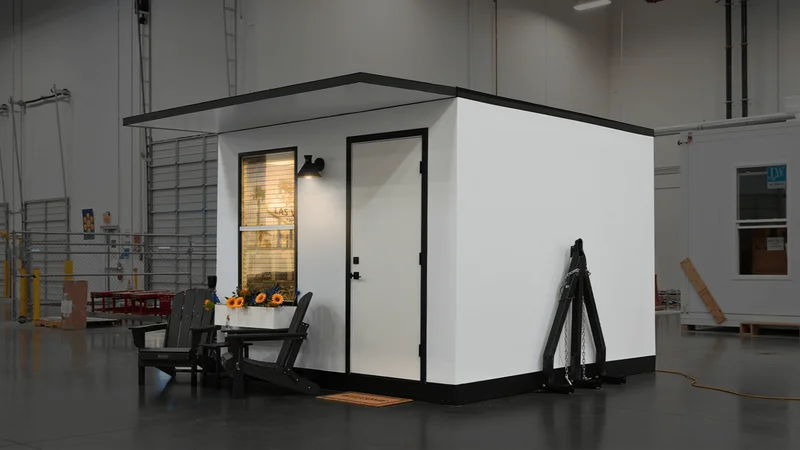
BOXABL: New $20,000 house
When the biggest names in your industry take an interest, you know you're onto something.
That's the story with BOXABL. They've rethought housing by bringing assembly lines to new home construction. Not to mention, the company has gained the attention of investors like D.R. Horton. Where traditional homes take over 7 months to build, BOXABL factories can produce their signature Casita home in nearly four hours.
And they’re just getting started. BOXABL just announced a new $20,000 house called Baby Box. It’s a turnkey home designed for affordability, flexibility, and versatility. Perfect for disaster relief, workforce accommodations, community projects, or you just need extra space, the Baby Box is another great solution added to their product line.
Now, everyday investors can join them too. When BOXABL last opened a Reg A investment opportunity, they maxed out the $75M regulatory limit, and they believe their new $20,000 house is the key to unlocking even greater potential. Become an investor today.*
|
|
The art of craft
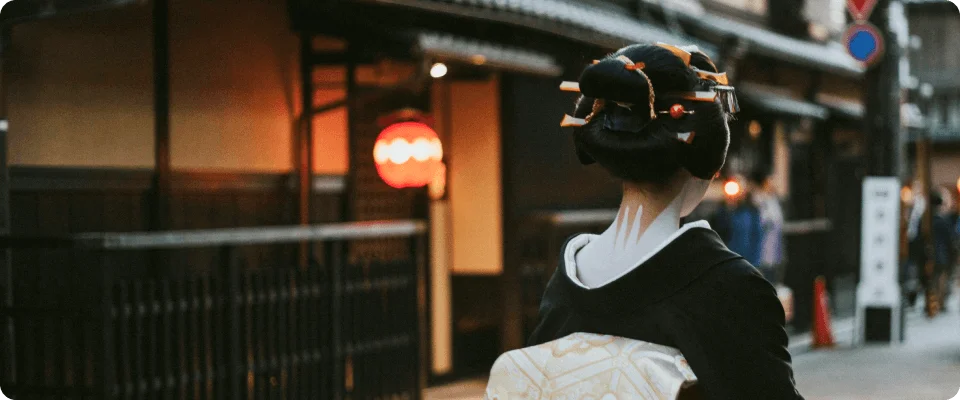
During Kyoto’s long reign as Japan’s capital, traditional arts such as Noh drama (the oldest surviving theater practice in the world), geisha dances, and tea ceremonies thrived, and demand from members of the Imperial Court fueled handicraft industries such as ceramics, lacquerware, and textile making.
The city’s legacy of craftsmanship continues to attract artisans seeking to weave traditions into modern life. Sake served in centuries-old Kiyomizu-yaki pottery and kimono-clad geisha scurrying to appointments are reminders that traditional culture is alive and well.
Meanwhile, globally minded innovators are breathing new life into traditional crafts. One example is designer Aika Okochi, who grew up in Japan and Italy. Her fashion brand Renacnatta blends Nishijin-ori woven textiles and deadstock Italian silk into contemporary couture.
|
|
City of (not quite) 10,000 shrines
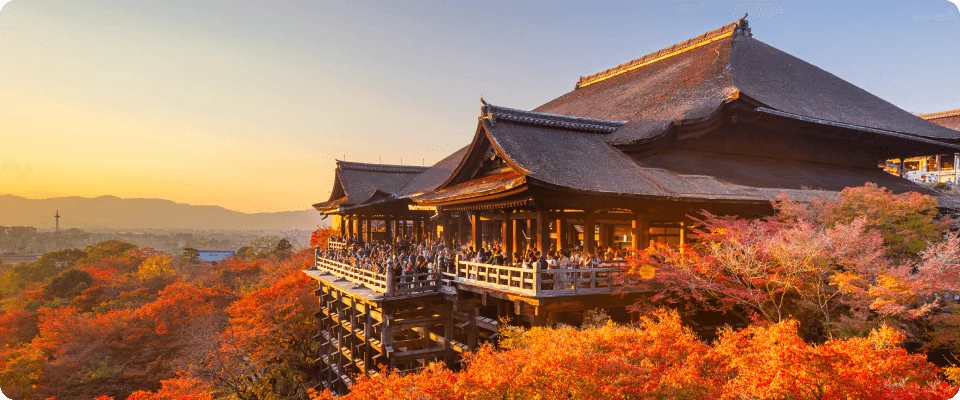
While Kyoto has the nickname “city of 10,000 shrines,” the actual number is a bit lower—but still impressive. The city is home to 1,600 Buddhist temples and more than 400 Shinto shrines (including the famed Fushimi Inari shrine, which itself has thousands of torii gates), and has been synonymous with religion since ancient times. The oldest existing shrine, Shimogamo Shrine, is believed to date back to the 6th century, and the oldest temple, Koryu-ji, dates back to the 5th century.
All but one of the 17 sites that make up UNESCO’s Historic Monuments of Ancient Kyoto are examples of religious architecture, including the huge Kiyomizu-dera Temple and Kinkaku-ji Temple, also known as the Golden Pavilion for its gold leaf covering.
While many of these are now tourist attractions, you’ll still find devotees paying their respects or hanging colorful wooden ema (prayer boards) on the red racks beside the altars in these sacred spaces.
|
|
|
Trusted Housesitters connects homeowners and house and pet sitters so you can work remotely without paying for accommodations.
Right now, Going members can get 20% off all new subscriptions of any membership tier with the code #######.
|
|
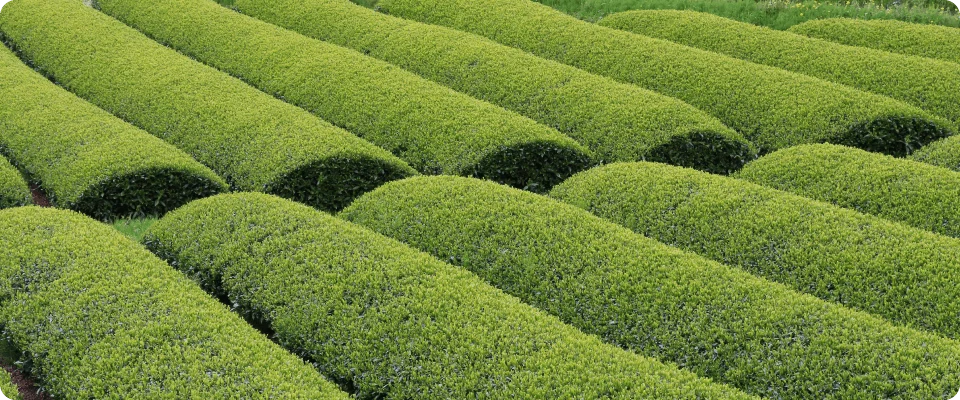
Teatime traditions
A short train ride south of the city center, the suburb of Uji has been a center for tea cultivation ever since the plants were brought from China around 1,000 years ago.
In addition to the vivid green sencha typically found at restaurants, the region produces some of Japan’s most highly prized gyokuro—an umami-dense variety of green tea made from buds grown in the shade—as well as powerfully flavored matcha, whipped to a froth and served alongside wagashi confections sculpted from sweet bean paste.
By the 16th century, the everyday custom of tea drinking became ritualized into a formal ceremony. The tea master Sen no Rikyu popularized the understated wabi-cha aesthetic most commonly associated with the practice, and his influence continues to be felt in Kyoto’s minimalist traditional tea rooms.
Read more
- The Michelin stars and traditional home cooking of Kyoto
- How local entrepreneurs are preserving the city’s heritage buildings
- Where to see—and hear—the famous bamboo forest
|
|
KIX flight price history
|
|
$801 Average Going deal
|
|
$1,200 Normal ticket price
|
|
|
|

|
Interested in a trip to Kyoto?
Premium and Elite members can find, watch, and get alerts for specific destinations on their Watchlist.
|
|
|
|

Now through Feb 18, refer friends and enter to win $1,000 in free flights and a $199 Elite Going membership. Each person you get to sign up at going.com earns you another chance to win.
|
|

|
|
With local expert:
Melinda Joe
|
Melinda Joe is an American journalist based in Tokyo and has been covering food, drink, and travel in Japan for more than a decade. Her work has appeared in publications such as The Japan Times, Condé Nast Traveler, Newsweek, and Departures Magazine. A certified sake and wine specialist, she is a panel chair for the sake division at London’s International Wine Challenge.
|
|
|
Share with a fellow travel lover by forwarding to a friend.
|
|
|
Get the app today 
|
|
|