|
Together with:
|

|
|
|
|
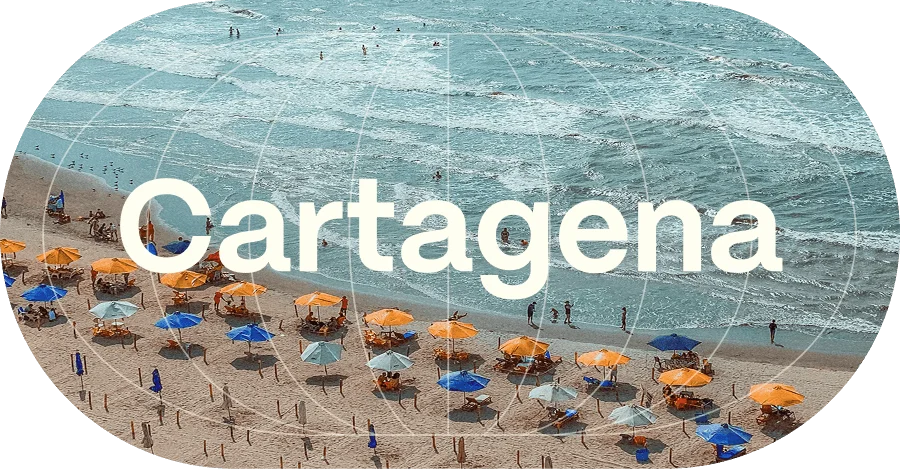
Where pirates once plundered, coconuts cure what ails you, and the streets feel like a party year round...
Cartagena de Indias is a city with many sides—all of them remarkable.
In the old walled city, colorful colonial-style buildings line the streets and balconies overflow with bougainvillea. The nearby neighborhood of Getsemaní is a story of resilience and transformation. Once known as a dangerous part of town, Getsemaní now offers some of the best hotels, nightlife, and street art, while still being home to many Cartageneros.
Bocagrande, on the other hand, is the posh beachfront part of the city that gives off serious Miami vibes with its skyscraper-filled skyline.
Together, these very different neighborhoods capture the essence of Cartagena: a lively Caribbean city where history and modernity collide and beauty can be found in both the natural and the manmade.
|
|
|

Your data made them billions—now it’s your turn to profit
🚨Open AI reached a valuation of $340 billion this year, all on the back of your data.
The big data gold rush is here, but profits have been hoarded by AI and tech giants... Until now.
Instead of just collecting data, Mode Mobile is sharing the profits from it, all by turning your smartphone into an income-generating asset. Here’s what that looks like:
- Paid over $325M to over $45M users.
- Generated 32,481% revenue growth.
- Previously ranked #1 fastest-growing software company by Deloitte.
📲Their EarnPhone could be the biggest disruption to smartphones since the iPhone, and they’re gearing up for a potential IPO on the Nasdaq (ticker: $MODE).
But the real opportunity is now, and you can still invest in Mode’s pre-IPO offering at just $0.26/share.
Earn up to 100% bonus shares by investing in Mode now*.
|
|
The Heroic City
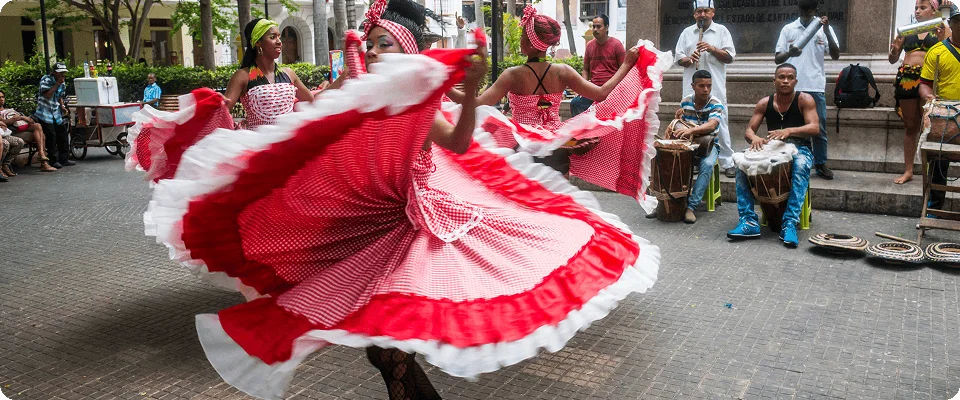
On November 11, 1811, Cartagena became the first Colombian city to declare its independence from Spain, setting in motion the movement to gain freedom for the entire nation. This brave act earned Cartagena its nickname of La Heroica (the Heroic City), and is celebrated throughout the month of November.
Traditions include throwing cornstarch and foamy water at friends, as well as firecrackers known as buscapies (“feet finders”) and matasuegras (“mother-in-law killers”...not literally, of course). On Independence Day, people head to the city center in colorful costumes to watch the parade and party. On the way, pranksters cover their clothes and bodies in paint and demand spare change—with the threat of a hug that’ll ruin your clothes—but it’s all in good fun.
|
|
The real pirates of the Caribbean
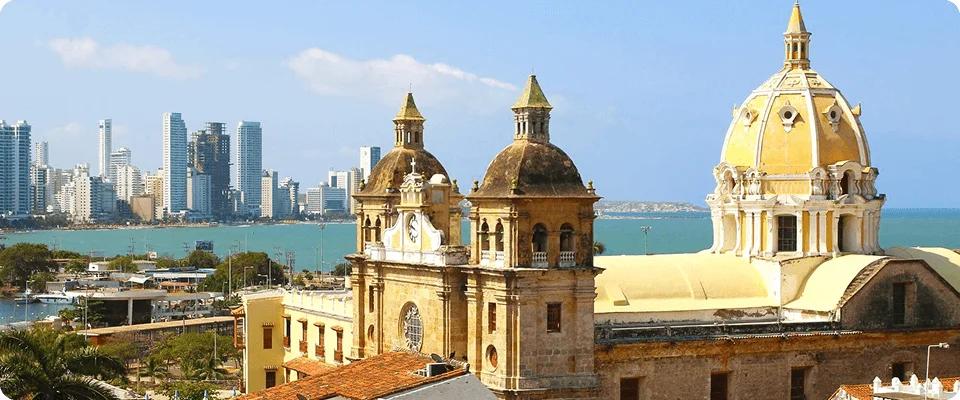
Jack Sparrow has a cute story, but he’s nothing compared to the real pirates that attacked Cartagena for centuries. As the main Caribbean port city between South America and Spain, Cartagena was rich with (stolen) treasures. This made the city a prime target and motivated Spain to build extensive fortifications, which still stand today.
These forts came in handy in 1741 when a fleet of more than 150 English ships and 25,000 soldiers descended upon Cartagena. Spanish officer Blas de Lezo, who had already lost an arm, a leg, and an eye in previous battles, somehow managed to fend them off with just 2,500 poorly trained and barely equipped men. There's a statue of him, wooden leg and all, in front of the San Felipe Fortress, the largest of the city’s Spanish fortifications.
|
|
|
Trusted Housesitters connects homeowners and house and pet sitters so you can work remotely without paying for accommodations.
Right now, Going members can get 20% off all new subscriptions of any membership tier with the code #######.
|
|
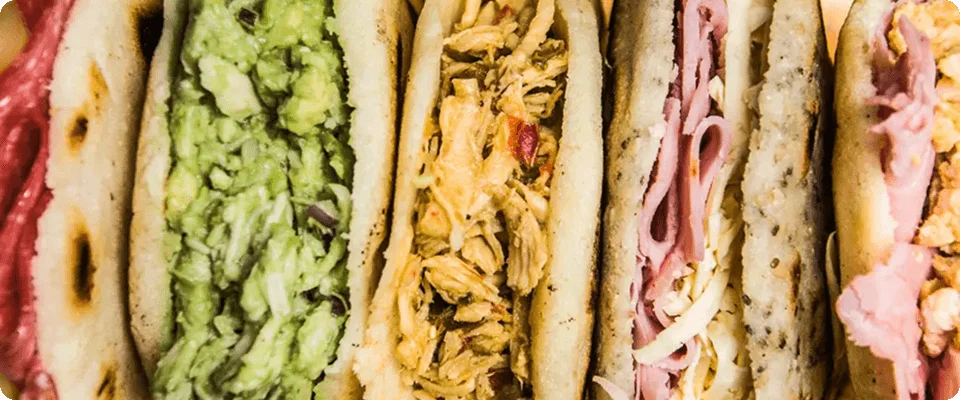
The coconut cuisine that cures everything
As Cartagena sits on the palm-filled Caribbean coast, it makes sense that seafood and coconuts are a big part of the city’s cuisine. A typical lunch here, especially if you’re on the beach, consists of a whole fried fish, fried plantains, salad, and heavenly coconut rice. For the full Cartagenero experience, wash it all down with coconut limeade—the ultimate alternative to an overly sweet piña colada.
If you’re struggling the next day after a night of partying, Cartagena has a recipe for that, too. You can sweat out any hangover with sancocho, a thick soup often prepared with fish and sometimes coconut milk. Or fill your belly with a traditional arepa.
Read more
- Why the buildings of Cartagena have pointed roofs
- The story behind the Palenque fruit sellers
- How Maria Mulatas saved the city’s people from fire
|
|
Good to know
|

|
|
Budget: $$$$$
|
|
|
|

|
When to go: Dec–Apr (dry season, more tourists), May–Nov (higher precipitation, lower costs)
|
|

|
Family friendly:
★★★☆☆
|
|

|
Public transportation:
★★☆☆☆
|
|

|
English speaking:
★★☆☆☆
|
|

|
Main language(s): Spanish
|
|

|
Global Peace Index rank: Colombia ranks #146 out of 163 countries. Cartagena is generally considered safe for tourists, especially in popular areas like the historic walled city, Bocagrande, and Getsemaní. As with any major city, it’s important to be aware of your surroundings and pickpockets in crowded areas, and avoid poorly lit or less-crowded areas at night.
|
|

|
LGBTQ+ Equality Index rank: Colombia ranks #17 with a score of 75 out of 100. Cartagena is considered relatively LGBTQ+ friendly, especially in more tourist-centric areas. The city has a growing LGBTQ+ community, and many local businesses, restaurants, and bars are welcoming to LGBTQ+ travelers.
|
|
|
CTG flight price history
|
|
$330 Average Going deal
|
|
$700 Normal ticket price
|
|
|
|

|
Interested in a trip to Cartegena?
Premium and Elite members get alerts for specific trip destinations and dates in the Going app.
|
|
|

|
|
With local expert:
Jessica Poitevien
|
Jessica is a freelance writer and expert on Cartagena, where she lived and worked for six months, and Seville, which she first experienced during a two-month study abroad program in 2011.
|
|
|
Share with a fellow travel lover by forwarding to a friend.
|
|
|
Get the app today 
|
|
|