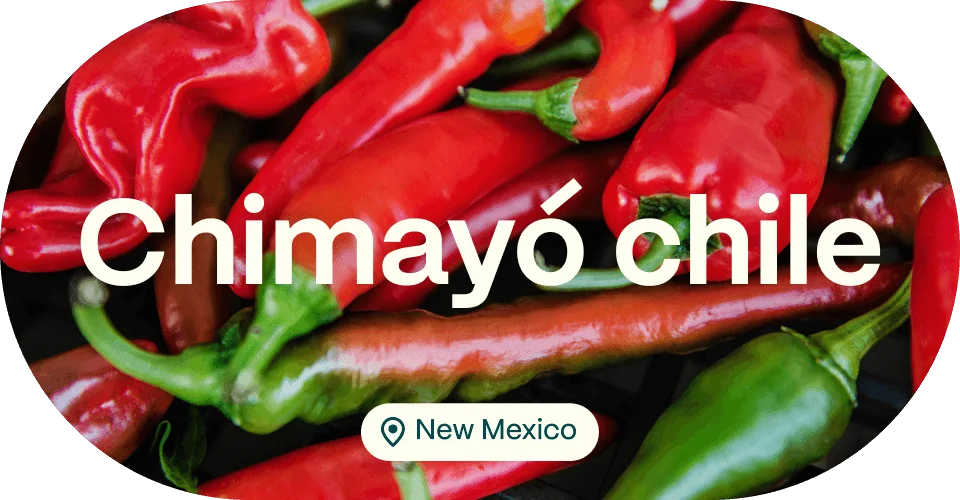
As I added the last of the Chimayó chile into the sauce I was making for enchiladas, mixed feelings swept over me. I was looking forward to the distinctive taste that would upgrade my red sauce from good to great, but sad that it was the last of my precious Chimayó chile powder.
Like other fans of Chimayó chile, I like it for its smoky, slightly sweet, earthy flavor that goes way beyond the tang and spark of other chiles. It’s described as moderate in heat, on par with a jalapeño, yet milder than a chipotle pepper. The brick-red, sun-dried chile imparts a rich depth to Southwestern cookery that kicks up the umami flavor profile of any dish, and chile connoisseurs relish the chance to include this coveted gem in their pantry.
But it’s not that easy to get. I couldn’t just go to the grocery store or even the Latin foods store to get more. The chile pepper, named after the high mountain town of the same name, is rare. For centuries, farmers kept the seed within the community, passing it down through generations, ultimately cultivating a chile that could thrive in the harsh arid mountain landscape.
Today, unlike other chiles (like the Hatch chile from southern New Mexico), this heirloom chile is not produced commercially, and while you might find chiles from elsewhere labeled Chimayó, they are only true Chimayó chiles if they are certified as grown exclusively within the geographical area of Chimayó.
According to the New Mexico State Legislature’s declaration, “the name ‘Chimayó’ for chile...identifies the native strains of chile that were inherited from the traditional families who founded and named the village of Chimayó in New Mexico.”
This certification of the chile trademark helps protect farmers and consumers against chile products sold falsely under the name, elevates the value of the native seed, and ensures consistency in the taste, as conditions are not the same if grown elsewhere, and this produces a different tasting chile pepper.
|
|
|

Best-ever offer on a top travel card
You don’t want to miss this. One of the best travel cards for beginners raised its signup offer.
Act fast—this won’t be around for long.
|
|
The land of enchantment—and chiles
Known as the Land of Enchantment, New Mexico is a destination for chile lovers. Not only is the state the top chile producer in the United States, but as of 2023, it became the first state in the country with an official aroma: chile roasting in the fall. So it shouldn’t surprise anyone that the chile is the official vegetable of the state too. From southern to northern New Mexico, the robust flavor is an important element in regional Southwest cuisine, and local communities, home gardens, and pueblos are graced with chile crops unique to their terrain.
Dr. Stephanie Walker, who specializes in New Mexico chile pepper studies and is the Extension Vegetable Specialist at New Mexico State University, says chiles were introduced to North America more than 400 years ago. “According to Spanish written records, the chile pepper seed was brought to the southwest by Spanish explorer Antonio Espejo during his expedition of 1582-83,” she says.
But, it’s possible that chile seed might have already existed in the area. Dr. Walker says that “we don’t have hard evidence indicating whether or not chile seed was introduced to what is now northern New Mexico by the Native Americans before the arrival of the Spanish,” however she confirms that the Chimayó chile is one of the “landrace” chiles that have grown in northern New Mexico for more than 400 years.
A landrace product is an individual strain of plant that’s been grown by seed in specific geographical locations for generations. Landrace chiles are unique to their heritage regions in northern New Mexico, where many Native American Pueblo and Hispanic communities have grown “native seed” for hundreds of years.
“These landrace chiles became adapted to the high altitude, desert growing conditions in northern New Mexico as farmers saved seed from the best, highest yielding, and earliest maturing plants over hundreds of years,” says Dr. Walker.
Adaptation in genetic traits was brought forward with each generation of farmers, who then passed on the seed to the next, cultivating only the hardiest strains that could survive the difficult environment.
There are sixteen recognized landrace chiles in New Mexico known so far, including Chimayó, Alcalde, Cochiti Pueblo, Escondida, Jemez Pueblo, Velarde, and Zia Pueblo. Chimayó is the most well-known chile.
|
|
|

BOXABL officially reserved NASDAQ stock ticker symbol BXBL...
BOXABL is the home construction company bringing assembly line automation to the home industry. With their patented technology and 53 patent filings, BOXABL believes they have the potential to disrupt a massive and outdated trillion dollar building construction market. And they just reserved the ticker symbol BXBL on Nasdaq!
Most houses take seven months to complete. BOXABL can put one out of the assembly line every four hours, including electrical, HVAC, and plumbing! Now, the company is raising funds and has made shares available to the public but the round is closing soon on StartEngine!
Currently, shares are being offered at $0.80 per share. With a $1,000 minimum investment, you can join 40,000 investors to help solve the housing crisis.
Time is running out. The closing date is 3/29 to invest in BOXABL on StartEngine.*
|
|
The treasure of Chimayó
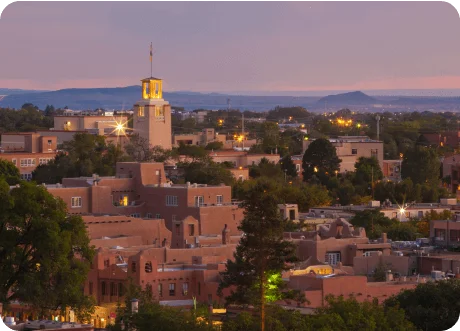
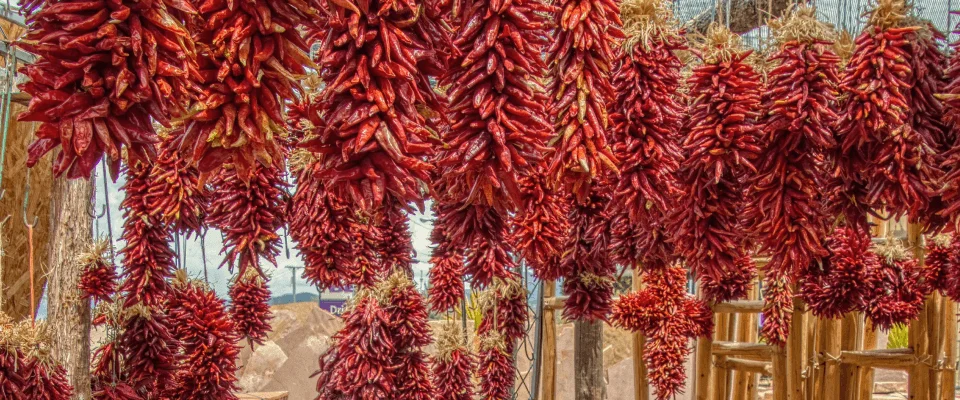
The town of Chimayó is located between Santa Fe and Taos, sitting at 6,073 feet of elevation in the foothills of the Sangre de Cristo Mountains. The quintessential northern New Mexico high mountain landscape is painterly pretty, dotted with Piñon trees and juniper, with mounds of shrubby yellow chamisa (rabbit brush) plants punctuating the landscape. Adobe structures and artisan weaving shops line the towns, and red chile ristras—bunches of chiles—hang from the eaves of houses drying in the sun.
Considered one of the most scenic New Mexico day trips, a drive along The High Road between Santa Fe and Taos is the best way to enjoy the beauty and charm of the villages, including Chimayó, strung like pearls along the route.
This small town of 3,000 people is home to the National Historic Landmark church El Santuario de Chimayó, one of the most important Catholic pilgrimage sites in the US (the holy dirt inside a pit is reputed to have curative healing powers). And, it’s the only place in the world where Chimayó chiles thrive.
Some would say that the Chimayó chile is the most well-known landrace chile due to its location near the famous church known for its mystical spiritual healing powers. “Even the Native Americans believe that there is something special about the area,” says Dr. Charles Havlik, an associate of Dr. Walker at the New Mexico State University. The Tewa Indigenous people who inhabited the area before the Spanish arrived believed in the healing properties associated with an ancient stream near the church.
While the belief that the soil offers a spiritual element certainly doesn’t hurt the chile’s reputation as exceptional, there are scientific reasons why this soil creates great chiles. Dr. Havlik refers to the French wine term “terroir” when discussing how the soil imparts the chile’s piquant, tangy flavor.
In the Chimayó valley, the chile crops have adapted to cool weather, high elevation, snowmelt, arid conditions, specific diseases, and abundance of sunshine, as well as cultivation under each farmer’s unique methods—which haven’t changed much over 400 years of cultivating the crop.
Chimayósos (chile farmers) will say that just the seeds, soil, water from an acequia (a ditch system that has been in use for hundreds of years), and a hoe are used to farm their chile. No chemicals are used, and all chile is hand-picked. During the summer growing season, they require warm days and cool nights to grow. They are allowed to mature to a red-orangey color on the vine, and at maturity, the chile pods are small, about four inches long, thin-skinned, and crooked in shape.
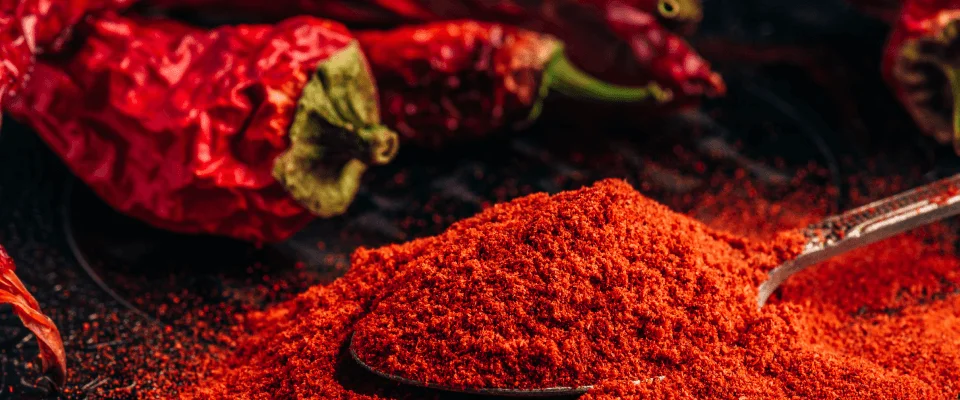
Today, at best, up to 500 acres of Chimayó chile are planted annually. When the chile is harvested by Chimayósos in October and November, production is mostly shared with family and friends, with about 30% of the yield sent to market. Prices are typically higher than commercial chile products due to this limited availability. The chile you'll see for purchase will be fine powder or dried chile pepper flakes made from ground-up or crushed sun-dried Chimayó.
Since I ran out of the prized chile powder, I’ve tried other types, but it’s like tasting fine Belgian chocolate: Once you’ve had it, others will make do, but they just don’t compare to the quality and flavor.
I could order it online, but I think a road trip from Santa Fe to Taos via The High Road sounds like more fun. That way, not only can I pick up Chimayó chile in person, but I can also stop and eat my way through the enchanting towns of northern New Mexico.
|
|
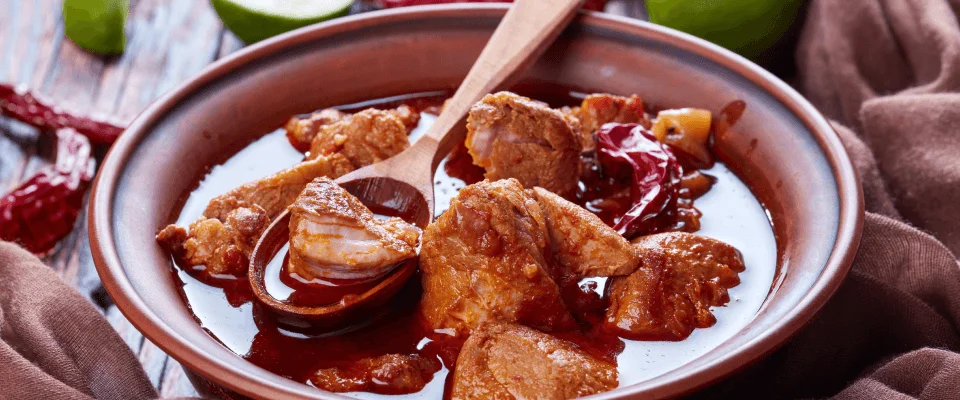
Where to try the real Chimayó chile
Want to try an authentic Chimayó chile? Read our guide for where to get the best bites throughout New Mexico.
|
|

|
|
With local expert:
Gigi Ragland
|
Gigi Ragland is a travel and food writer. Although she makes her base in Colorado, she’s happy that northern New Mexico is a short road trip away to satisfy her many cravings for blue corn enchiladas. Her stories cover outdoor adventure, culture, nature, and food. You can learn more about her at www.gigiragland.com.
|
|
|

Last chance to get 40% off
Don’t miss out on your chance to save hundreds on international flights with Premium ($49 $29) or Elite ($199 $119).
|
|
Related content
Santa Fe: The Southwest city that’s the oldest capital in the US
Read more
|
|
|
Share with a fellow travel lover by forwarding to a friend.
|
|
|
Get the app today 
|
|
|