International travel always requires a certain leap of faith, and right now that leap might feel a little steeper than usual. Fuel costs? Pushing airfare higher. Economic pressure? Maybe making you think twice before booking a transatlantic or transpacific flight. If an international trip just isn't in the cards right now, that doesn't mean your sense of wanderlust has to wait.
Luckily, the US is a treasure trove of experiences, sometimes even internationally-feeling ones. Not only does every region and state have its own culture (more often than not heavily influenced by immigrants from around the world), there are cities and towns where you can taste the food, see the architecture, or learn about the traditional culture of another country.
To help you scratch that international itch without the overhead of a pricey overseas trip, we’ve put together a list of US destinations that share similarities in their atmosphere, food, architecture, landscape, or traditions, with a country or culture around the world.
This isn't a comprehensive list (we could write an entire guide about Chinatowns or Bavarian-style villages alone), but we hope it inspires your next globally minded adventure, even if it's within the United States.
(Any of the places below strike your fancy? Head to the Going app to set up a flight alert, so we can keep you posted when fares drop.)
|
|
|
|

Your perfect card. No research spiral.
Answer a few questions about how you travel, and we’ll match you to the cards that fit. Easy as that.
|
|
|
|
|
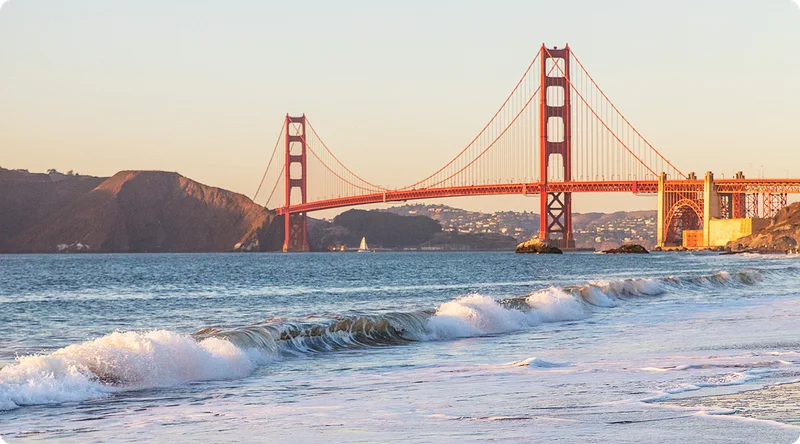
San Francisco, California: If you love the hills and waterfronts of Lisbon |
There are more than a few visual similarities between the Portuguese capital of Lisbon and California’s “City by the Bay.” First, both cities are dominated by seven main hills, with homes perched seemingly precariously along the steep streets. Both cities rely on unique transportation to navigate those hills (Lisbon has its famous yellow trams, while San Francisco has its iconic cable cars), and both are set along stunning waterfronts, with San Francisco on the Bay and Lisbon at the mouth of the Tagus River. The architect who designed the Golden Gate Bridge is also the same one who designed Lisbon’s Ponte de 25 Abril. The bridges look like siblings.
Beyond the geographic and aesthetic differences, both cities have a similar artistic vibe, an abundance of delicious farm-to-table food, and Instagram-worthy views around every turn.
|
|
|
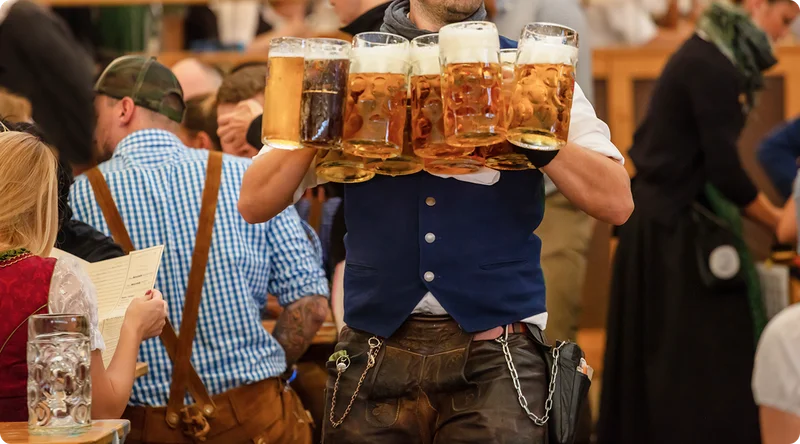
New Ulm, Minnesota: For traditional German food and beer (or Leavenworth, Washington, for a not-so-authentic village) |
There are several states in the US that have strong historic ties to Germany, so you’ve got quite a few Bavarian-style towns to choose from. Named after Ulm, Germany, the Minnesota town was founded by German immigrants in the 1850s. Not long after, one immigrant in particular started what would become a major beer brewing company. August Schell Brewing Company is still in New Elm, and the brewery throws a huge Oktoberfest party every year. If that’s not German enough for you, there’s a glockenspiel in the city park (you can watch the figures twirl around three times a day, and during festivals, a polka band plays at its base), and shops around town sell imported Bavarian items like cuckoo clocks and beer steins.
Ironically, one of the most-loved Bavarian villages in the country does not have German roots. Instead, Leavenworth in Central Washington created a tiny Bavarian village (one main street, really) to attract tourism—and it worked. Not only does Leavenworth offer great German food and beer, but there’s also a Nutcracker Museum and a rollicking Oktoberfest celebration. What makes Leavenworth particularly special is the backdrop of the snow-capped Cascade Mountains, reminiscent of the mountains of southern Germany.
|
|
|
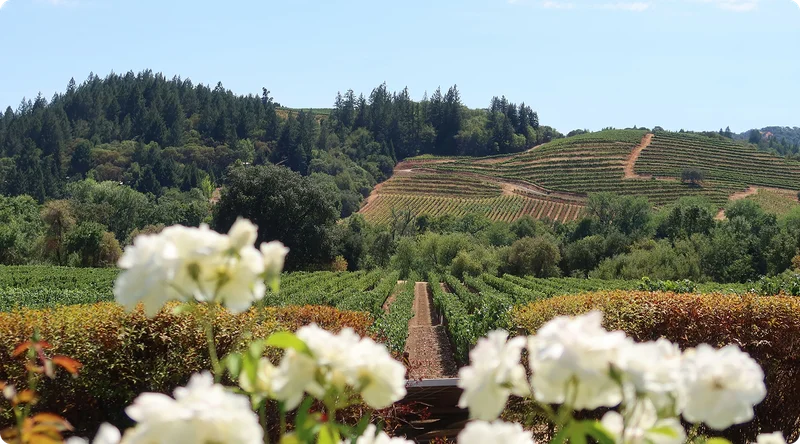
Napa Valley, California: For the next best thing to Tuscany |
It’s not hard to fall in love with Tuscany, what with those undulating green hills and cypress trees rising like Roman columns alongside winding roads. There's also the art, natural hot springs, and all that glorious wine on top of it. Thankfully, California’s Napa Valley also has literally every single one of those things, so you don’t have to travel to Italy for a little dolce vita.
Art galleries in towns like Napa and St. Helena feature local artists, Calistoga is well known for its hot springs, and rolling vine-covered hills are just about everywhere you look. If it’s the wine you love most, though, you’re in luck. There are more than 400 wineries in Napa Valley, most of which are open to visitors who want to taste. There’s even a winery in a replica 13th-century Italian castle just outside Calistoga.
|
|
|
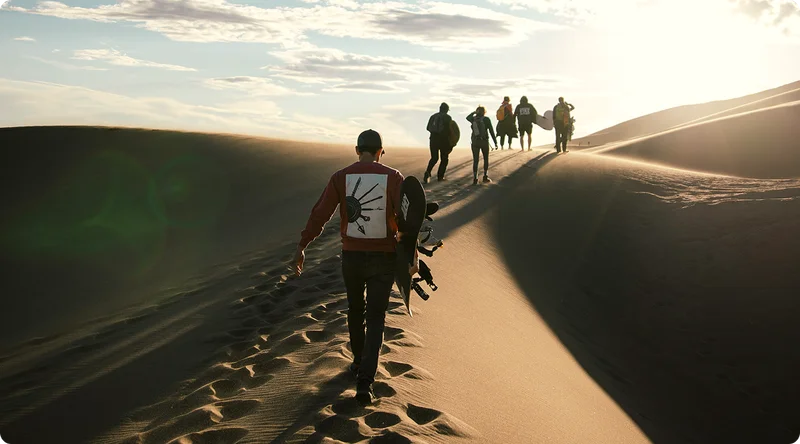
Great Sand Dunes National Park, Colorado: To pretend you’re in a small-scale Sahara Desert
|
The desert landscapes of the Sahara are truly epic, but similar, utterly Instagrammable golden-sands-and-blue-skies can be found in Colorado, too, in Great Sand Dunes National Park. The tallest dunes in North America are inside the park, including a few that reach 750 feet, and the landscape is constantly shifting and changing with the wind.
The park covers more than 230 square miles, so it’s a fraction of the size of the Sahara Desert, but it’s not too hard to find a little solitude if that’s what you’re looking for. Visitors to the Great Sand Dunes can also make the sandy mountains a playground, as sandboarding is a popular activity.
|
|
|
Hawaii: To learn about Polynesian culture or visit a replica Japanese temple |
Much of Native Hawaiian culture comes from the Polynesian people who initially settled there. For example, taro, brought to the islands by Polynesian explorers more than 1,000 years ago, still features prominently in Hawaiian cuisine. And Hawaii’s famous hula dance has its origins in the dancing of those same early explorers. Travelers who have visited places like Fiji or Tahiti will have no trouble recognizing their influences in Hawaii, especially with a stop at the Polynesian Cultural Center on Oahu.
In the mid-1800s, Japanese workers started arriving in Hawaii by the thousands to labor on sugar plantations. By the 1920s, nearly half the population of Hawaii had Japanese ancestry. Today, Japanese-Americans make up one of the largest ethnic groups on the islands, so experiencing a bit of Japanese culture is both easy and rewarding.
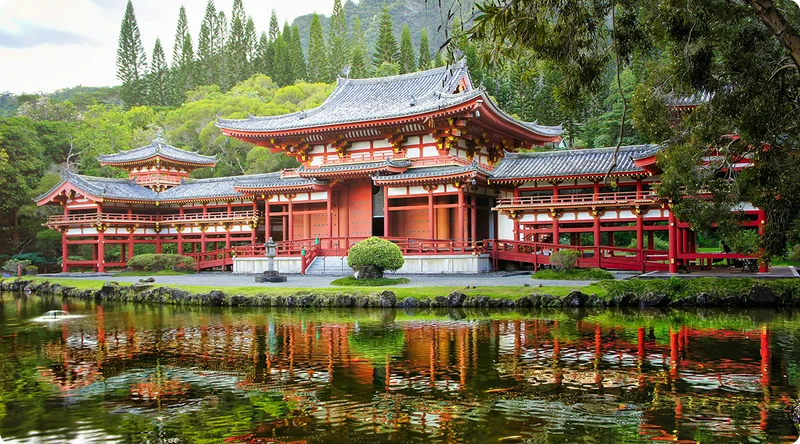
There’s a cherry blossom festival on the Big Island every year, a huge Japanese garden in Hilo, and plenty of places where you can order authentic Japanese fare. But there’s nothing quite like the Byodo-In Temple on Oahu to make you feel like you’ve been transported to Japan. The gorgeous structure is a replica of a 950-year-old temple near Kyoto. Peacocks wander the grounds, and koi swim in the pond. In addition to using the space for quiet contemplation, visitors can ring the three-ton bon-sho (sacred bell). The tone is said to cleanse the mind.
Want more inspiration? Find more globally-influenced US destinations in our guide.
|
|
|
Have a question for our experts? |
Submit your questions about travel and we may answer it in an upcoming newsletter. |
|
|
|
|

40% off Going
Upgrade to Premium or Elite to unlock everything Going has to offer. Sale ends June 16.
|
|
|
|
|
Share with a fellow travel lover by forwarding to a friend. |
|
|
|