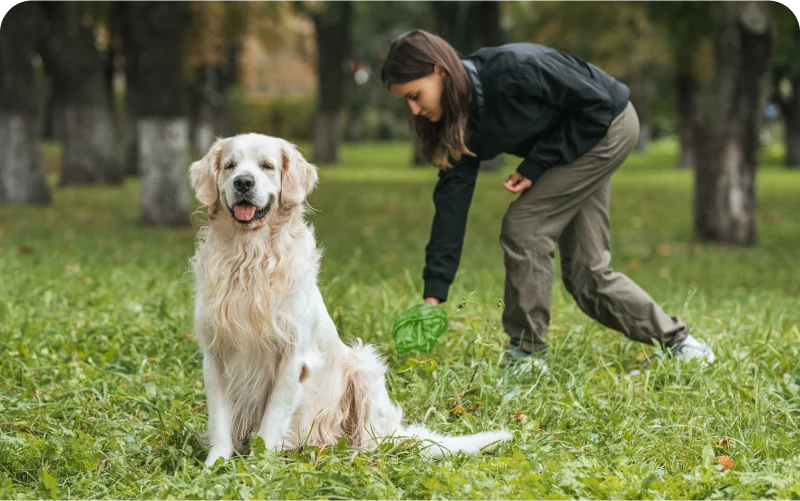
Getting up close and personal with your pup's poo is a big part of being a pupper parent. Sure, it’s wrapped up in your daily routine — but it can also clue you into the state of your dog’s health and digestive function 🔎
Texture, consistency, and odour are all important telltale signs. It’s good to be a little fussy here — you want poos that are not too soft and not too hard, but just right. Other textures could be a signal that something is off. |
|
|
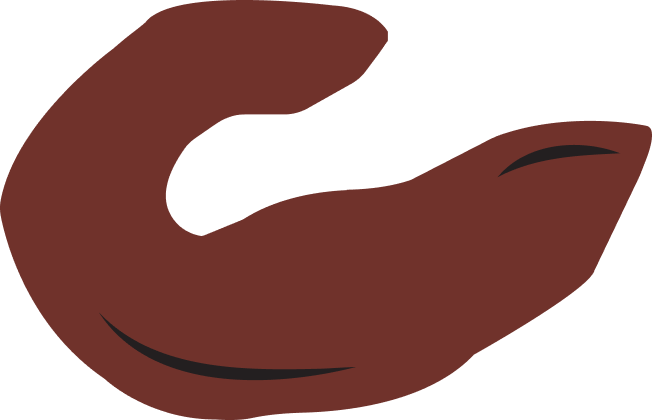
SLIMY, MUCUS-Y OR JELLY-LIKE
Normal poos contain some mucus but excessive amounts could indicate an intestinal infection, inflammation or an adverse food reaction. |
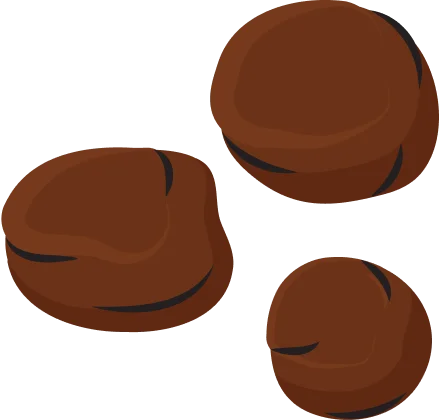
| ROUND, HARD, MARBLE-SHAPED
May indicate dehydration or the consumption of too much or too little fibre. |
|
|
SOFT AND SMELLY May suggest an imbalance in their gut microbiome, perhaps caused by highly processed diets or poor-quality ingredients. |
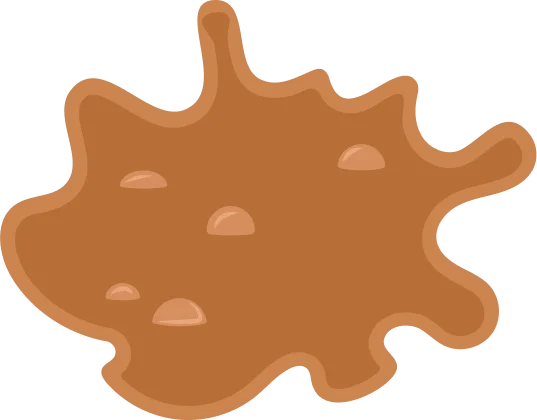
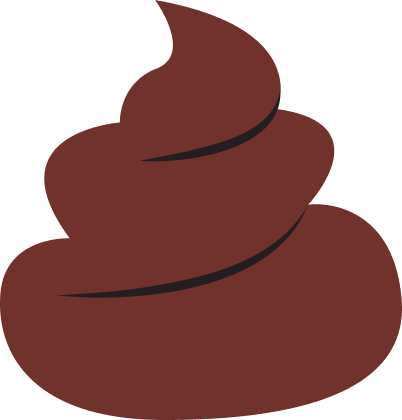
| SOFT SERVE Could be a sign that something isn’t quite right with their digestion and intestinal function. |
|
|
SLIMY, MUCUS-Y OR JELLY-LIKE
Normal poos contain some mucus but excessive amounts could indicate an intestinal infection, inflammation or an adverse food reaction. |
| ROUND, HARD, MARBLE-SHAPED May indicate dehydration or the consumption of too much or too little fibre. |
|
|
SOFT AND SMELLY May suggest an imbalance in their gut microbiome, perhaps caused by highly processed diets or poor-quality ingredients. |
| SOFT SERVE Could be a sign that something isn’t quite right with their digestion and intestinal function. |
|
|
Think their diet is the issue? Try Lyka! |
Get 20% off on your first box* |
|
|
|