Shocking, we know! In Australia, there’s no real regulation controlling the quality of ingredients going into your pup’s food. That means more risk of pathogens in meat and free reign to add all kinds of meat meal (like blood, hooves and even stomach contents). |
|
|
Human-grade food is the best choice for your dog amongst a sea of unregulated processed dog food
brands with a monopoly on the industry. |
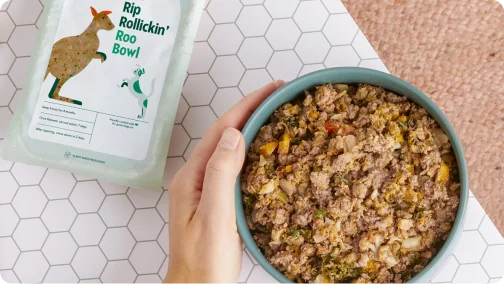
Research shows animals digest human-grade real food diets more easily than kibble^ and that human-grade diets positively influence a dog’s microbiome and improve their poos.*
Without strict regulation in Australia, pet-grade pet food producers aren’t obligated to avoid using adulterated material. This means meat that may have been sourced from cattle that were diseased, dead, or dying. |
|
|
There are more standards for pet food elsewhere in the world. In 2019, the FDA
in America withdrew its outdated policy guidelines that allowed meat from dead, diseased, dying, or down animals to be used in pet food but Australia hasn’t caught up with these standards. |
| |
|
In an unregulated industry, Lyka is raising the bar for dog food. Our human-grade meals are formulated by an expert team of board-certified veterinary nutritionists to ensure they are complete and balanced. Ready for your pup to feel the real food difference? |
|
|
Copyright © 2024 Lyka Wellness Pty Ltd. All rights reserved.
Level 1, 290 - 294 Botany Road, Alexandria NSW 2015, Australia
View this email in your browser |
^Sungho Do, Thunyaporn Phungviwatnikul, Maria R C de Godoy, Kelly S Swanson, Nutrient digestibility and fecal characteristics, microbiota, and metabolites in dogs fed human-grade foods, Journal of Animal Science, Volume 99, Issue 2, February 2021, skab028, https://doi.org/10.1093/jas/skab028
*Elizabeth L Geary, Patrícia M Oba, Catherine C Applegate, Lindsay V Clark, Christopher J Fields, Kelly S Swanson, Effects of a mildly cooked human-grade dog diet on gene expression, skin and coat health measures, and fecal microbiota of healthy adult dogs, Journal of Animal Science, Volume 100, Issue 10, October 2022, skac265, https://doi.org/10.1093/jas/skac265
|
|
|
|