
|
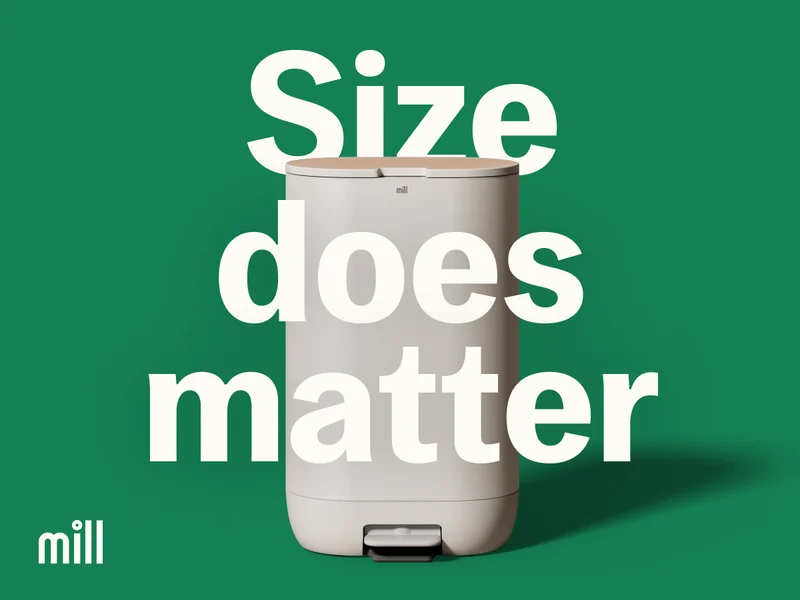
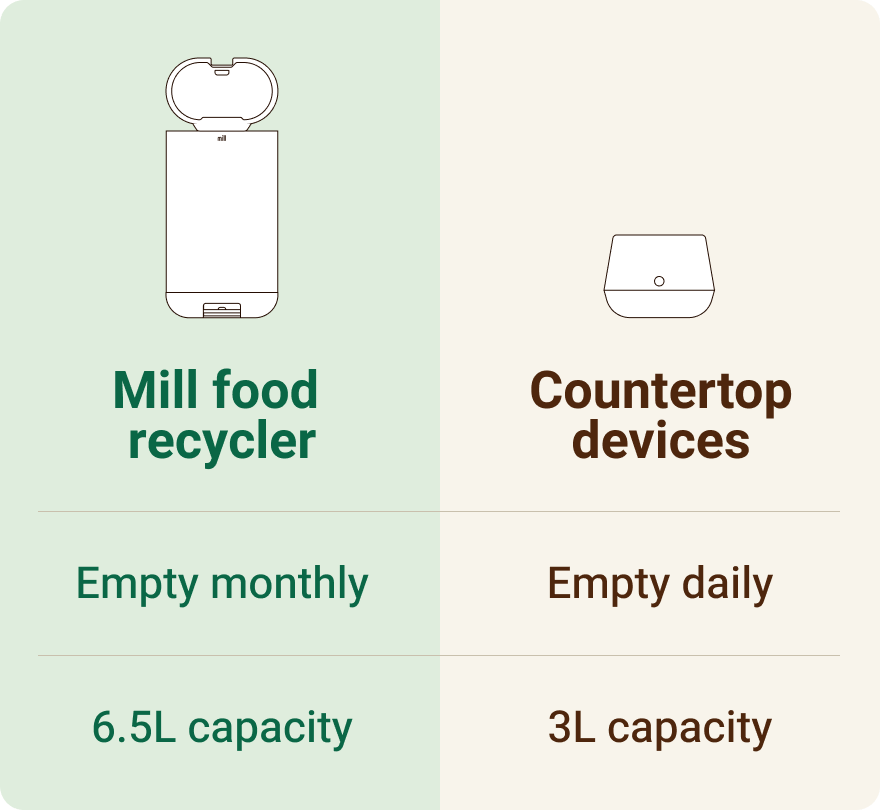
Bigger is better
More room, less chores


This is an email sent by Mill. All copyrights and trademarks remain the property of their respective owners. Email Inspire is not affiliated with Mill.
Other Emails from Mill

Try Mill risk-free for 90-days

The others don’t compare. At all.

Sometimes big change is easy

Put your food scraps to work

Give your compost a running start

Take Five

Banish fruit flies once and for all

Clean kitchen. Healthy garden.
