
|
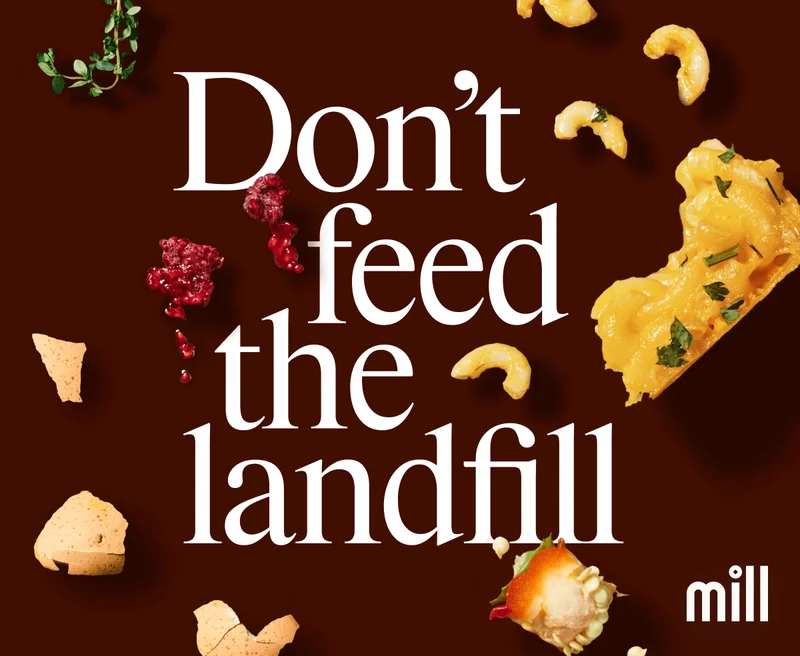
Food waste is a dumb problem
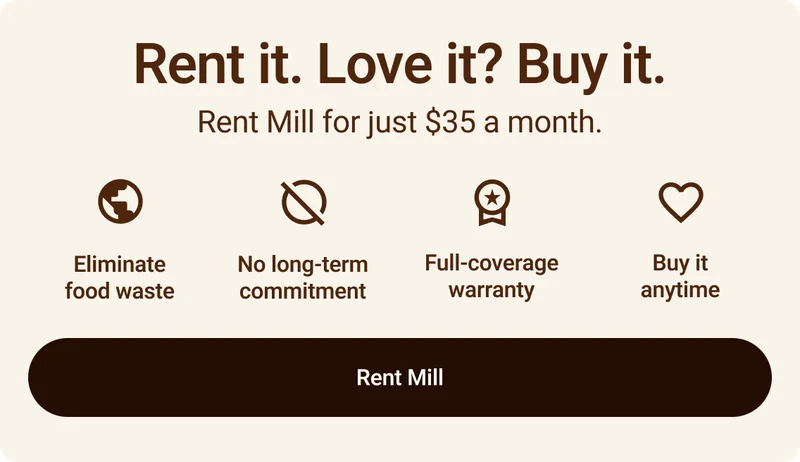
The smart answer is right here


This is an email sent by Mill. All copyrights and trademarks remain the property of their respective owners. Email Inspire is not affiliated with Mill.
Other Emails from Mill

Your Mill awaits

Mill now, pay later

A few of Mill’s biggest fans 👀

Why does Julia Louis-Dreyfus love Mill?

How to save the world a little every day

🚫 Food in landfills 🚫

One easy thing — don’t trash your food

Try Mill risk-free for 90-days
