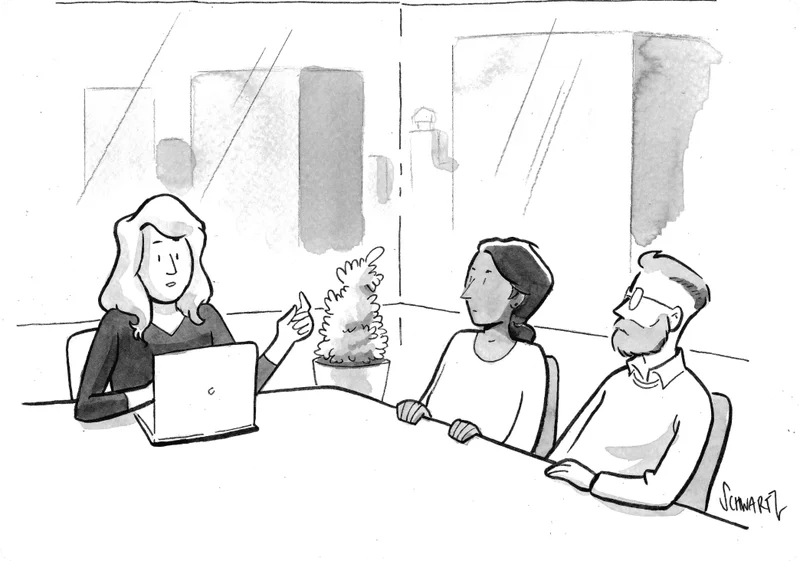
Measuring productivity isn’t always straightforward, especially for employees whose roles aren't tied to clear, measurable outputs. And when deliverables are ambiguous, it’s tempting for leaders to use in-person face time as a proxy for productivity. But this approach can easily lead to a trend that the business media calls “productivity theater.”
When employees feel the pressure to “look busy,” they create unnecessary work for themselves and their teammates – whether it’s sending gratuitous emails, scheduling meetings with no real purpose, or stopping by the office just long enough to be seen talking to colleagues. According to Visier, 43% of employees spend 10 hours per week on these performative activities, and with return-to-office mandates and rising job insecurity, the problem is growing. In a recent survey by Resume Now, 58% of workers admitted to faking productivity.
The underlying causes of productivity theater are often confusion and fear. For example, a company restructuring can cause an employee to worry about losing their job – so they overcompensate with a flurry of activity to prove their value. It’s a recipe for burnout and goal stagnation, if left unchecked.
So, how can you help your team avoid task masking and focus their energy on meaningful work?
Address the fears
When companies lay workers off, it’s natural that the people left at the company might fear that they’re next in line to lose their jobs. In this economic climate, employees might not even wait for a round of layoffs to start mounting anxiety over their future with the company. So they might try to look as busy as possible to let you know that they’re valuable to your team. This is why getting everyone together and addressing those fears is critical. Think about having a team lunch to discuss their challenges, and try asking them open-ended questions about their mindsets. For example, you may ask them how returning to the office has impacted their work-life balance or how they're feeling about new company changes. Give them the floor to speak their feelings and listen with empathy. Addressing their concerns directly can go a long way toward easing their anxiety and combating the urge to task mask.
Key question: “How can you start a dialogue about the fears your employees are feeling?”
Tie activity to goals
For some teams, like Sales, performance metrics are obvious. For example, an account executive needs to close a certain number of deals every quarter. But for many roles, success is less clear and in those cases, managers often fall back on what the Wall Street Journal calls “dubious signs of achievement,” like the number of hours someone is visible at their desk. In cases of company restructurings, where employees are given more responsibilities, expectations can become unclear. So employees might try to look busy as they scramble to figure out what they should actually be doing. And as mentioned, they may create busy work for themselves and waste the time of their teammates. That’s where clarity is everything.
Your employees need to know what their individual success metrics actually are. Remember, they take their cues from you. If you appear to value activity over outcomes, they’ll likely lean into task masking. So instead, set clear, role-specific KPIs that align with business goals, such as projects completed, issues resolved, or customers onboarded. Communicate often that these are the results you care about — not who logs on first or leaves last.
Key question: “How can you tie employee activity to a tangible business goal?”
Use AI to reduce busywork
Task masking can show up in repetitive updates like status emails, endless check-ins, or manual reports – problems that can be solved with AI. For example, you might use your project management platform to generate automated progress summaries, making employee accomplishments visible without added effort. This frees employees from performative work and builds trust by focusing attention on outcomes. Over time, removing these low-value tasks also creates space for deeper, more meaningful contributions.
On another note, it’s quite possible that some of your employees are using AI to accomplish their work and then are pretending to look busy because they don’t know how else to fill their time. In these cases, you might think about reallocating responsibilities or adjusting roles to be more strategic.
Key question: “How can I use technology to eliminate busywork?”
Keep an open mind
The way we work is evolving quickly. Some companies are shifting towards a four-day work week, while others are doubling down on in-person collaboration. As a leader, staying adaptable is key to keeping your team engaged and productive. Always be mindful of how your team interacts, listen deeply to their feedback, and stay curious about new approaches. By experimenting and adjusting based on what you learn, you can create an environment that keeps people motivated and focused on real work even as workplace norms continue to change.
Key question: “What can I learn from my team’s working style, and how can I use that knowledge to keep them focused on meaningful work?”