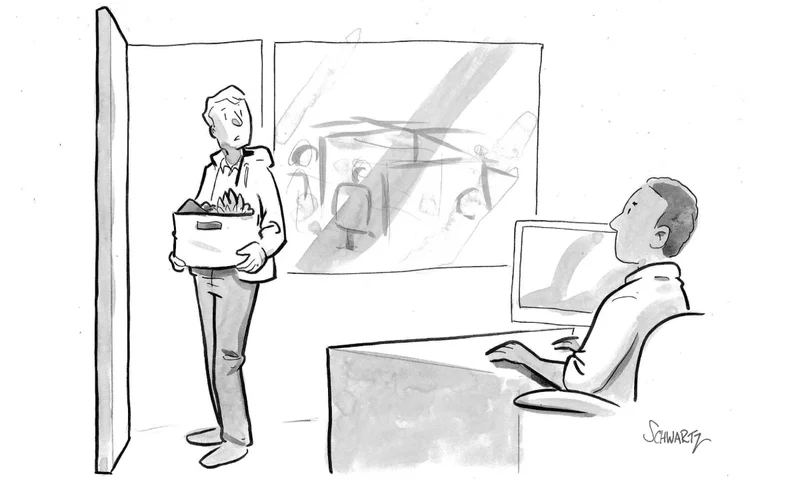
You have probably heard the term “quiet quitting” quite a bit since 2022, but there’s a new and possibly more damaging trend that managers need to address. It’s called “quiet cracking”.
While both quiet quitting and quiet cracking are forms of disengagement, they differ significantly. Quiet quitting happens when employees do the bare minimum to keep their jobs, lacking motivation or enthusiasm to go above and beyond. Quiet cracking happens when employees are mentally and emotionally drained, experiencing internal breakdowns that can manifest as stress, anxiety, loss of motivation, or even burnout. According to a recent Talent LMS report, 54% of employees are quiet cracking as a result of an unstable economy, job insecurity, and a lack of connection.
So, how can you address quiet cracking and support your team’s mental wellness?
Take time to listen
According to HR Dive, 47% of quiet-cracking employees feel that their managers don’t listen to their concerns, underscoring the importance of putting in quality time with your team members. Sometimes, as a manager, it’s easy to let the whirlwind of your daily objectives take priority over your team interactions, but don’t make that mistake. Instead, set aside time in your one-on-one meetings or as a group to genuinely connect with your employees, not just about tasks but about how they’re feeling at work. Encourage open conversations on stress or workload, and show that you’re invested in their well-being. Feeling valued as a person, not just a worker, is a powerful antidote to disengagement.
Develop a support system
Hybrid and remote work can often create a lonely environment. When employees feel isolated, they tend to disengage from their roles and the company. To prevent this, create a culture where everyone feels both emotionally and professionally supported. In team meetings, ask your employees to share the challenges they’re facing and solicit help from their peers. Open conversations like these send a clear message that the team has each other’s backs. Also, make it a point to regularly recognize your team’s contributions—big or small—and celebrate their successes together. When employees know they have a strong support system, they’re more likely to push through tough times.
Encourage work-life balance
Many employees dealing with quiet cracking feel overworked and overwhelmed. Show your team that you value a healthy work-life balance by respecting their boundaries—avoid sending messages or making calls after work hours—and emphasize the importance of taking time off. You might also discuss your team's calendars to identify those who haven’t taken PTO in a while and encourage them to recharge. When employees feel they can disconnect and rest, they're less likely to experience the emotional exhaustion that leads to quiet cracking.
Offer opportunities to upskill
One of the root causes of quiet cracking is the feeling of stagnation. Your team members need to feel like they’re growing, and giving them opportunities to learn new skills can reignite their sense of purpose and connection to your company. Consider surveying your team to identify where they have skills gaps, and then offer training, mentorship programs, or paid access to on-demand courses to address those areas. Even better, try learning a new skill as a group to enhance team camaraderie and connection. Making upskilling a priority has a way of boosting morale, reinforcing that you believe in your employees’ potential, and giving them a higher level of confidence and engagement in their roles.
Instill a sense of security
Uncertainty about the future is a major driver of quiet cracking, especially in the age of AI transformation, so it’s important to be transparent about the company’s goals, challenges, and what employees can expect in the future. Directly address concerns your employees may have about their jobs and assure them of your investment in their long-term development. When your team members feel stable in their jobs, they are more likely to emotionally invest in their work, which is key to preventing burnout.