|
|
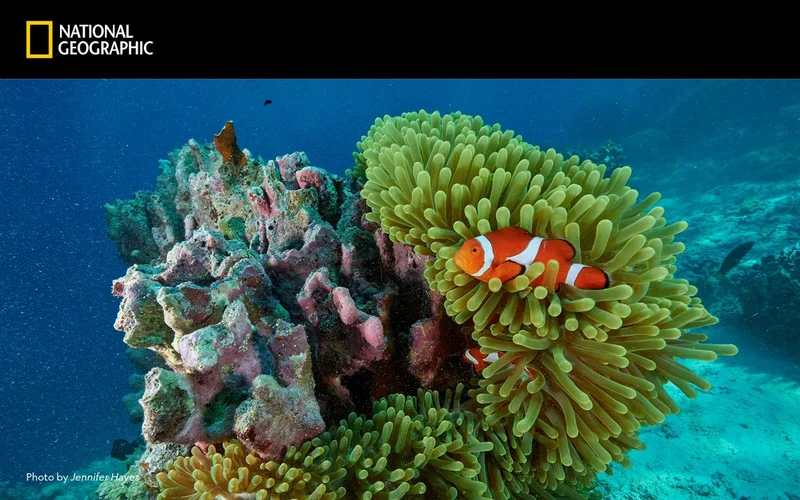
With climate change warming the ocean and causing it to lose oxygen, marine life is under incredible threat. Without animals like fish, shellfish, and plankton, significant swaths of humanity would struggle to feed themselves and their families. This year, Explorer Ana-Belén Yánez Suárez and her team uncovered two pristine deep coral reefs. With only a quarter of the ocean floor mapped, this is an incredible breakthrough that takes us closer to protecting hidden areas of the ocean and understanding the role that they play in our ocean’s health. By protecting the health of our ocean, we are protecting the lives of the wildlife within it, and the humans who rely on it.
|
|
|
|
|
It’s no secret that honey bees are critical in the pollination process of plants. Without them, plants would disappear at alarming rates and throw the food chain out of balance – causing food scarcity for animals and humans alike. Sadly, the U.S. loses 33-51 percent of our honey bee colonies each year… in large part to parasitic mites, which are a “pandemic” for pollinators. Explorer Samuel Ramsey is actively working in southeast Asia to study the genetics of these symbiont populations to better understand them and help us prepare for future threats to honey bees across the world.
|
|
|
|
|
In India, human-wildlife conflict is on the rise, and sadly, the lives of human beings and animals like endangered Asian elephants are in the crosshairs. Explorer Sangita Iyer is working to combat this rise in conflict in West Bengal by creating a curriculum unit which integrates systems thinking and ecological principles of sustainable living. By educating the next generation to better understand these principles, there is hope for an end to the senseless death of humans and wildlife alike in the region.
|
|
|
|
|