| | | |
| |
|
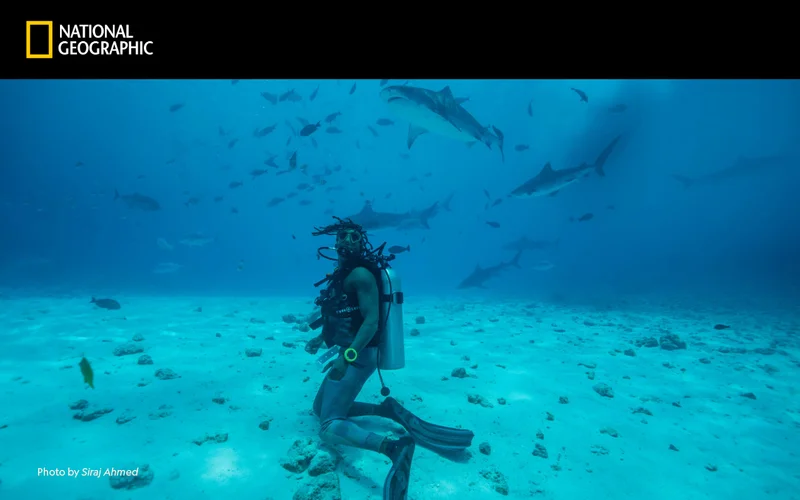
photograph by SIRAJ AHMED |
|
|
Dear Friend,
Every year, an estimated 100 million sharks are killed worldwide, largely for the shark fin trade. Overfishing, habitat loss and other factors have caused some shark populations to plummet by up to 70%, causing a ripple effect in ecosystems around the world.
National Geographic Explorers are working on the forefront of shark and ocean conservation around the world. From the smallest catsharks to 20-ton whale sharks, Explorers are pioneering new ways of understanding and protecting these unique apex predators and their threatened habitats. Your support as a Contributing Member helps ensure that their work continues.
Will you join National Geographic Society as a Contributing Member to support our Explorers, mission programs and all of the Society’s work to illuminate and protect our world? For a limited time, you will receive a free 12” octopus plush made from recycled materials with your gift of $38 or more.
|
|
| |
|
Your gift supports scientific fieldwork and conservation programs around the globe – in fact, 100 percent of all donations go directly to support the work of our Explorers and mission programs such as:
• Through the Pristine Seas project, National Geographic Explorer in Residence Enric Sala and a team of expert scientists and filmmakers conduct important research into vulnerable marine areas and inspire global advocacy efforts that preserve the vibrant ecology of our ocean.
• National Geographic Explorer Brad Norman’s effort to study the elusive whale shark and his work to build a database of thousands of shark images and sightings through citizen science to identify individuals from this majestic animal that can weigh 20 tons or more.
• National Geographic Young Explorer Brigitta Gunawan who leads innovative environmental education initiatives to foster meaningful ocean protection in Indonesia and beyond. She established the 30x30 Coral Garden, restoring local reefs in Tulamben, Bali while providing a recreational site that emphasizes the importance of ocean protection. She is the founder of 30x30 Indonesia—a movement igniting community engagement to advance marine protected areas in her country and support the global goal of protecting 30 percent of the ocean by 2030.
|
|
|
| |
|
From protecting the ocean’s biodiversity to combating global warming to inspiring youth and educators to protect our planet, the National Geographic Society never stops fighting for a healthier and more sustainable planet. As our work becomes increasingly vital in today’s world, we’re counting on support from people, like you, to help propel these types of essential conservation work forward.
As a Contributing Member to the National Geographic Society, you can help – please give today! |
|
|
| |
| |
|
David Glass
Vice President, Annual Giving
|
|
| |
|
The National Geographic Society is a nonprofit organization driven by the belief in the power of science, exploration, and storytelling to change the world. The National Geographic Society is a 501(c)(3), tax-exempt organization. |
|
|
| |
|
Clicking on the Facebook, Instagram, and National Geographic Channel links will take you away from our National Geographic Partners site where different terms of use and privacy policy apply.
This email was sent to: . Please do not reply to this email as this address is not monitored.
This email contains an advertisement from:National Geographic | 1145 17th Street, N.W. | Washington, D.C. 20036
Stop all types of future commercial email from National Geographic regarding its products, services, or experiences.
Manage all email preferences with the Walt Disney Family of Companies.
© 2025 National Geographic Partners, LLC, All rights reserved.
|
|
|
|
|
|
|