| | |
Dear Friend,
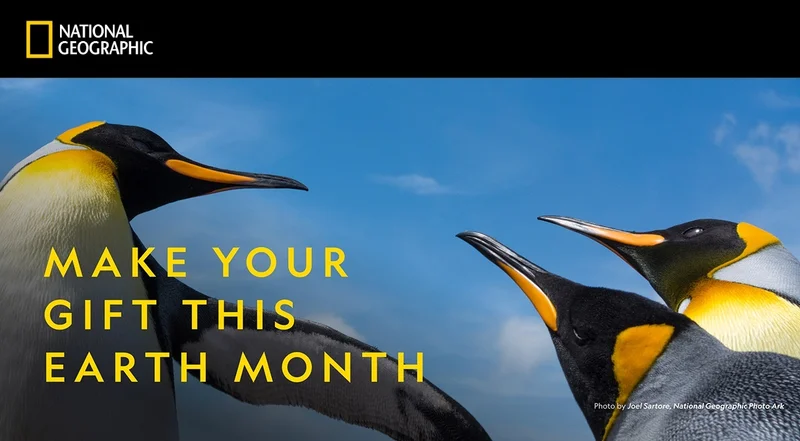
Penguins are some of the most beloved – and most vulnerable – creatures in the world.
Of the 18 penguin species, more than half are classified as threatened, with colonies imperiled by climate change, habitat loss, disease, and overfishing.
For Earth Month, we’re shining a spotlight on these special animals and the scientists who are helping save them – like National Geographic Explorer Pablo “Popi” Garcia Borboroglu.
Popi is leading a worldwide conservation effort for penguins in several countries through the Global Penguin Society, which has helped protect 32 million acres of ocean and coastal habitat for penguins.
Around the world, Explorers like Popi aren’t just exploring the wonders of our natural world – they’re helping protect it. And, support from people like you makes it possible. Will you join the National Geographic Society with an Earth Day contribution that will drive our Explorers’ work across the globe?
|
|
| |
|
Research is crucial to better understand how we can create a more sustainable future for our planet. National Geographic Explorers are uncovering and sharing their knowledge with the world, inspiring more people to care for and protect the one planet we have. Your support will fund a wide range of groundbreaking projects and programs, including:
○ Protecting Penguin Habitats Around the World. Explorer Popi Borboroglu has spent 35 years in the field of marine conservation, and his work has benefitted at least 2.5 million penguins. He also coordinates an educational program for local communities and schools near penguin colonies and has taken over 13,000 children to see penguins for the first time.
○ Understanding the Impact of Bird Flu on Wildlife. National Geographic Explorer and ecologist Tom Hart has a passion for wildlife in extreme environments and is working hard to conserve them in a changing world. As an Explorer, he’s focused on mitigating the impact of avian flu, tourism, and fishing on seabirds and seals in the Southern Ocean.
○ Using Satellites to Study Penguin Movement. Counting Antarctic penguins isn’t easy, with almost 900 colonies across the continent. But National Geographic Explorer Heather Lynch discovered that she could use satellite imagery to follow penguin colonies – because their bright pink-red guano is visible from space. Heather’s pioneering methods are now being used by other scientists to track seals and whales in the Arctic, as well as other mammals around the world.
This Earth Month, let’s come together to make a positive impact for penguins and the whole planet. Together, we can make this a moment for real change – for wildlife, for the environment, and for future generations.
Make a gift today to support Explorers like Popi. Protection awaits!
|
|
| |
| |
| |
|
The National Geographic Society is a nonprofit organization driven by the belief in the power of science, exploration, and storytelling to change the world. The National Geographic Society is a 501(c)(3), tax-exempt organization. Headshot photo credit: National Geographic. |
|
|
|
| |
|
Clicking on the Facebook, Instagram, and National Geographic Channel links will take you away from our National Geographic Partners site where different terms of use and privacy policy apply.
This email was sent to: . Please do not reply to this email as this address is not monitored.
This email contains an advertisement from:
National Geographic | 1145 17th Street, N.W. | Washington, D.C. 20036
Stop all types of future commercial email from National Geographic regarding its products, services, or experiences.
Manage all email preferences with the Walt Disney Family of Companies.
© 2025 National Geographic Partners, LLC, All rights reserved. |
|
| | |
|
|
|
|