| | |
| By clicking on the featured links, visitors will leave NationalGeographic.com and be directed to third-party e-commerce sites that operate under different terms and privacy policies. As a participant in multiple affiliate marketing programs, National Geographic will earn a commission for certain purchases. See full disclaimer below.* | | | | | | |
|
|
|
|
|
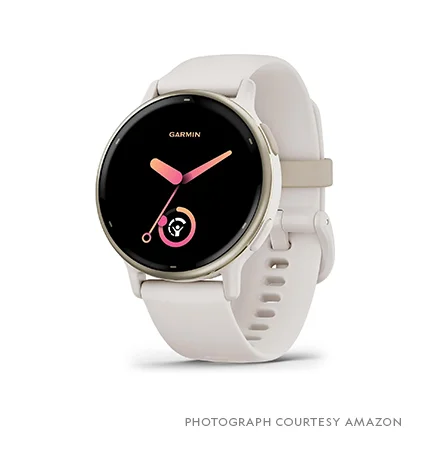
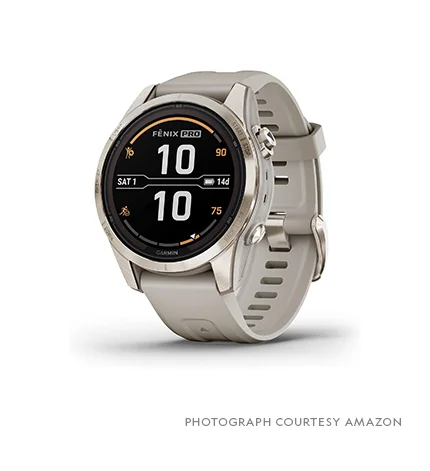
We love this Garmin for its long battery life (up to 11 days in smartwatch mode and up to 21 days in battery-saving mode). Serious athletes or anyone wanting more data will appreciate its advanced functions, such as interval training options and the more than 30 built-in sports apps—including one that tracks pushes for wheelchair users. And yes, it keeps track of the basics too. |
|
|
|
|
|
|
|
|
|
|
|
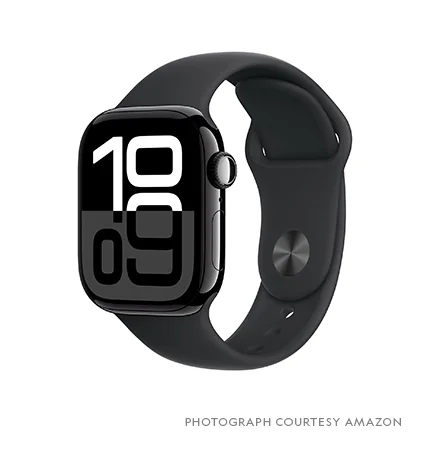
In addition to measuring basics like heart rate, body temperature, and sleep, the new Apple Watch Series 10—and its predecessor the Series 9—simplifies tracking indoor and outdoor workouts; simply tap the Workout app and select the type of exercise you’re about to start. |
|
|
|
|
|
|
|
|
|
|
|
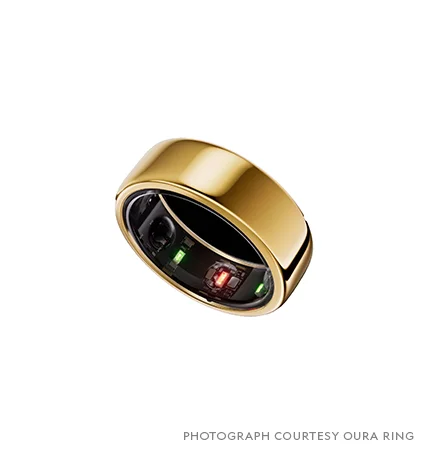
The Oura Ring’s sensors are constantly monitoring over 20 biometrics (including menstrual cycle tracking) to provide a comprehensive overview of your health. Daily reports are delivered via the app and include customized feedback, such as advice on when to start winding down and when you tend to be most stressed. Just keep in mind, it comes with a monthly subscription. |
|
|
|
|
|
|
|
|
|
|
|
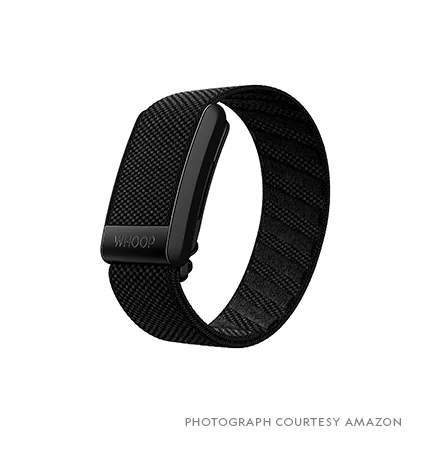
The Whoop 4.0 bracelet gives both a strain and recovery score to give deeper insights into when someone should push harder during a workout and when they should rest to achieve optimal results. The same goes for sleep tracking, suggesting things like the ideal bedtime for muscle recovery. Bonus: You can wear it not only on the wrist, but on your upper arm, knee, and even specially designed sports bras. |
|
|
|
|
|
|
|
|
|
|
|
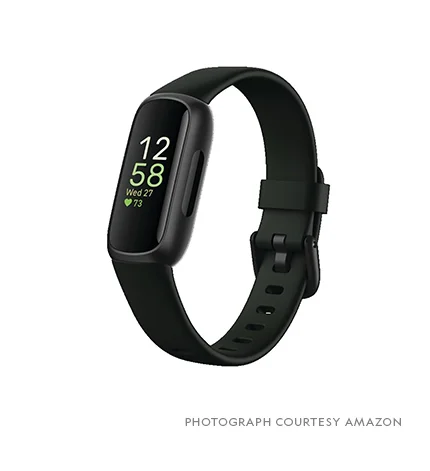
At just under $100, the Fitbit Inspire 3 is affordable, user-friendly, and tracks the basic health information that most casual users are looking for: calories burned, distance walked, heart rate, and other common biometrics. We love that it’s water-resistant, so you can wear it in the shower or while swimming. The long battery life is also notable—the company says it lasts up to 10 days on a single charge. |
|
|
|
|
|
|
|
|
|
|
|
The military-grade construction on this watch is designed to withstand extreme heat, cold, and atmospheric pressure, according to the company. It has built-in sports apps, multi-sports tracking, a built-in GPS, and a solar-charging option. We also love that it comes with downloadable maps from around the world—and it even tracks sports like cross-country skiing and yoga. |
|
|
|
|
|
|
| | |
| | | | |
|
|
PHOTOGRAPH BY GOLLHARDT
& WIELAND, LAIF/REDUX
|
|
|
|
|
In a recent study, participants who walked five times a week were 28 percent less likely to have a recurrence of lower back pain.
|
|
|
|
|
 |
|
|
PHOTOGRAPH BY SHUTTERSTOCK/
NAT GEO IMAGE COLLECTION
|
|
|
|
|
The average American gets about 4,000 steps a day—but how much is enough? A recent study offers some insights.
|
|
|
|
|
|
|
| | | | |
|
Clicking on the Facebook, Instagram, and National Geographic Channel links will take you away from our National Geographic Partners site where different terms of use and privacy policy apply.
|
|
|
This email was sent to: name@example.com. Please do not reply to this email as this address is not monitored.
This email contains an advertisement from:
National Geographic | 1145 17th Street, N.W. | Washington, D.C. 20036
Stop all types of future commercial email from National Geographic regarding its products, services, or experiences.
Manage all email preferences with the Walt Disney Family of Companies.
© 2024 National Geographic Partners, LLC, All rights reserved. |
|
| | |
|
|
|