| |
| |
| Issue 04 |
Diaspora
& Design |
| |
|
|
|
|
|
|
| Hello From the Editor |
“Inspiration” can feel like a concept fit for a screen-printed throw cushion, yet it’s utterly indispensable when it finally arrives. We wait for it, celebrate it, and bemoan its absence when it slips away. So, as Asian American and Pacific Islander (AAPI) Heritage Month draws to a close, we are thinking about the very real ways that creativity and inspiration trickle down through family, culture and community, traveling with us across generations and borders. Heritage isn’t just history — it’s a living, evolving fount of expression that wants to be shared.
In this week’s Good Hour, we’re exploring how the Asian diaspora shapes art, craft, design, literature, travel and more. We recommend a beautiful book by Maddie Ballard, a writer and sewist of mixed Chinese heritage, as well as a few items inspired by traditional Chinese aesthetics. Top Teacher Arnold Trinh introduces his new course on content creation and design history, guiding members on a virtual tour of the Vietnamese port city of Hội An. Finally, discover some hidden gem classes that highlight instructors, skills and techniques from India, Iran, Japan, China and the Philippines.
Creativity honors cultural history, carrying its traditions and revolutions into our future. As AAPI Heritage Month ends, we hope these ideas inspire your future creative ventures well beyond the month of May.
– Naomi Skwarna, EDITOR
|
|
|
|
|
|
| 1 |
|
| We Tried It |
| A memoir, traditional embroidery & a pillow illusion |
|
|
|
| 2 |
|
| New/Now/Next |
| AAPI creators rewriting the mainstream script |
|
|
|
| 3 |
|
| Q&A |
| Discover Vietnamese design with Arnold Trinh |
|
|
|
| 4 |
|
| One Small Practice |
| We lied! There’s several |
|
|
|
| 5 |
|
| Final Thought |
| The ongoingness of inheritance |
|
|
|
|
| Read, stitch or style your space with these heritage-rich picks.
|
Some links in this email are affiliate links, which means we may earn a commission if you make a purchase.
|
|
|
 |
|
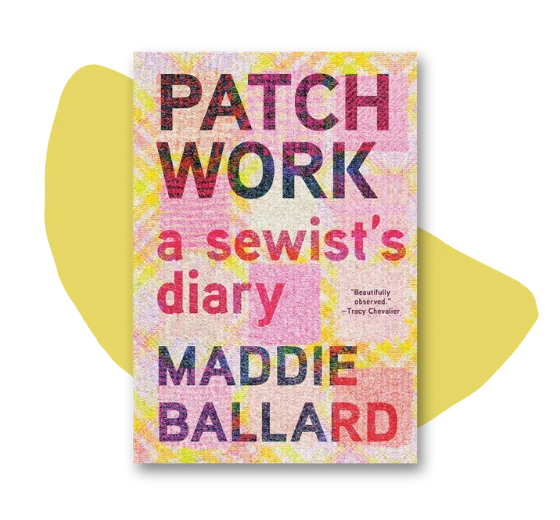
| Patchwork: A Sewist’s Diary |
| Why we like it: Actually, we loved this little book by author and sewist Maddie Ballard. Illustrated by Emma Dai’An Wright, the memoir takes readers through a transitional, multi-year period in Ballard's life, told through a dozen or so garments stitched on her itinerant sewing machine. Through new apartments, jobs, and the ebb and flow of relationships, Ballard comes to know herself through the work of her hands. The craft also beautifully connects her to her Chinese heritage.
|
| Why it might not be the right fit: You’re a strict nudist.
|
| Verdict: Whether you love to sew, write, or simply appreciate the daily ritual of getting dressed, this vivid memoir is for you. It’s a gorgeous reflection on how our clothes carry our stories, and how cultural identity mixes — and sometimes collides — with the world around us. |
|
|
|
| |
 |
|
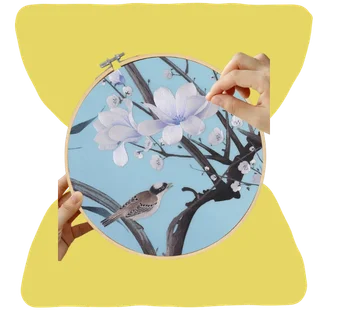
| Miu Embroidery DIY Su Silk Embroidery Kit |
| Why we like it: In Patchwork, Ballard uses embroidered words and characters to connect with her family and heritage. Putting needle to fabric is a symbolic and tactile act, and Winnie Wen of Miu Embroidery has captured that magic with her traditional Su embroidery kits. Su embroidery is a time-honored Chinese technique that uses fine silk thread to create delicate, breathtaking fiber art. We especially love this astonishing lotus kit. A quick note: This kit is not for beginners. If you’re new to the craft, we recommend starting with one of our introductory classes, such as Mixed Media Embroidery for Beginners: 7 Days of Botanical Prompts with Top Teacher Floor Giebel.
|
| Why it might not be the right fit: You love the look of fine embroidery, but you’d rather someone else do the stitching.
|
| Verdict: An affordable, gorgeous project for the needle-savvy crafter looking to level up their skills.
|
|
|
|
| |
 |
|
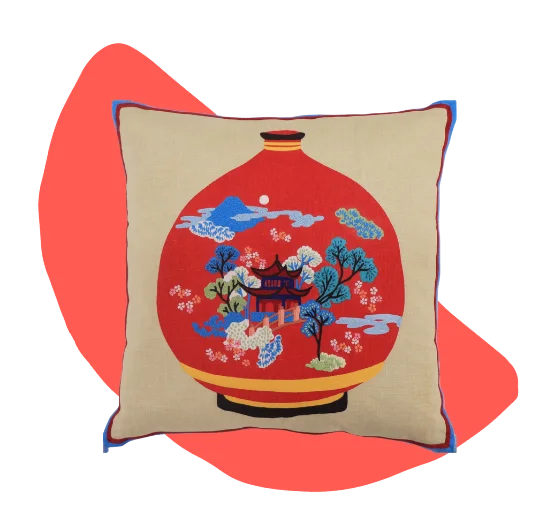
| Neem Hand-Embroidered Still Life Pillow Cover |
| Why we like it: Alright, lazybones — want to enjoy beautiful needlework without doing any of the actual needlework? This charming hand-embroidered cushion cover from Neem is for the comfort-loving aesthetes among us. Featuring a vase design inspired by traditional Shan shui (山水, or mountain-water) landscape art, this pillow is a witty example of how a style first developed in the 5th century can be beautifully adapted for modern form and function.
|
| Why it might not be the right fit: You provide room and board to a particularly aggressive feline.
|
| Verdict: A wee bit pricey, but the perfect special gift for a loved one (and yes, you absolutely count as your own loved one). |
|
|
|
|
|
|
 |
If you’ve stepped into a comic shop lately, maybe you’ve seen John Giang’s punchy new AAPI Heritage Month variant covers for DC. Characters like Katana, Cheshire cat and Ryan Choi are pushed into a vibrant, high-energy spotlight that makes the main covers look, well, a little ho-hum.
Looking at Giang’s bold comic art alongside Hayley Kiyoko’s upcoming feature directorial debut, Girls Like Girls, it’s exciting to see more AAPI creatives and Asian American-centered stories taking the wheel of major genre vehicles — whether that’s a big ol’ DC superhero canvas or a sun-drenched, studio-backed summer romance (with queer crossover appeal, no less).
We highly recommend adding Giang’s variants to your collection pull-list or grabbing a ticket for Kiyoko’s June premiere. Even if comic shops or teen dramas aren’t your usual vibe, we encourage you to take their creative audacity to heart and remember that one of the most fun ways to honor heritage is to see how it rewrites the mainstream script.
|
|
|
|
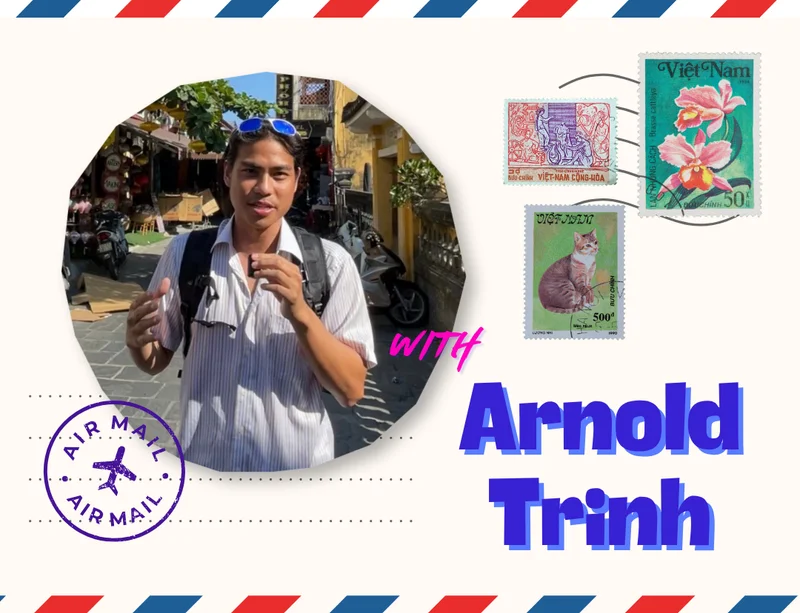 |
In 2017, Arnold Trinh did what many only fantasize about on the commute to/from work. He walked away from a grueling 9-to-5 design job to rediscover his creativity and build a life of cross-continental freedom. Today, he’s a Skillshare Top Teacher and multi-disciplinary creative, turning his verve for content creation and design into a thriving global career. True to his signature style of filming his courses while traveling, Trinh’s latest class takes us on location to Southeast Asia.
In this Q&A, we discuss his new course, which begins in the ancient trading port of Hội An. Trinh guides participants through Vietnam’s rich visual history — from French colonial and war influences to its modern, celebrity-endorsed design boom — before walking us through Hội An’s unique blend of Chinese, Japanese and French architecture. By analyzing colors and motifs, participants will learn how to gather resources and craft their own moodboards. Throughout, Trinh shares how travel shapes his vision, how to fuse cultural motifs into modern branding, and what it takes to build a purposeful business on the road.
Skillshare: What shaped your decision to create this class?
Arnold Trinh: Whenever I explore somewhere new, there is so much inspiration coming at me. Since it’s AAPI Heritage month, it’s the perfect time to introduce Asian influence and show how to design with it. I’m fortunate enough to be in Southeast Asia right now, gathering a ton of fresh inspiration. There’s sensory detail — from smell, sight, colors, and feel — coming at you from every direction. It’s probably my favorite part about being here, and it’s something I didn’t get to experience much while growing up in suburban California.
Your new class touches on the French colonial influence on Vietnamese aesthetics. How do you navigate teaching a design history that is so deeply intertwined with the legacy of colonialism?
French colonial influence is evident in everyday life here; the impact is undeniable and complicated. But it also left behind a highly visible, beautiful aesthetic — like the architecture I cover in the class, the alphabet you see everywhere, and even the food! One of my favorite things to point out is that there are unique architectural styles here that you wouldn’t see in France today, but were popular back in the early 1900s. You can also see this footprint in vintage signs, typography, and advertisements, from the layouts and word alignments to the fonts used — all stemming from those colonial days.
You’ve previously mentioned celebrities like Kylie Jenner and Justin Bieber wearing Vietnamese brands. Is that mainstream Western adoption exciting to you, or does it raise questions about credit and profit as Asian aesthetics go global?
It’s incredibly exciting for me to see Asian aesthetics going global. The first time I visited Vietnam was 20 years ago, and back then, there was very little Asian representation in the West. You wouldn’t find celebrities wearing Vietnamese brands, it would have sounded absurd. At the time, Western media gave the impression that Asia was still developing and “behind” Western countries.
To see the rise of Asian brands making their way to contemporary American artists and celebrity figures is amazing. [Asian design] is making a massive impact all over the world. I’m sure you heard about the Labubu craze last year — fun fact, those are from Hong Kong!
Skillshare classes are for everyone, but if a Vietnamese American participant finishes your course and walks away with a shift in how they see their own heritage, what do you hope that shift looks like?
I hope to give them a sense of what it feels like to see life through my lens. Many times — and this includes my parents who grew up in Asia — people don’t notice how certain design influences came into the country or why they’re relevant to the things around them. In this class, I pull from all sorts of inspiration, like Chinese lanterns, Japanese architecture, and mid-century modern shapes that make Vietnam look the way it does.
This is just through my lens, though. Someone with a different background would see entirely different things. If they were a musician, for example, they might notice how global music made its way into Vietnam — like how Bossa Nova became the genre behind “Sài Gòn đẹp lắm,” one of the most famous songs in Vietnam that everyone, young and old, knows.
|
|
|
|
|
|
|
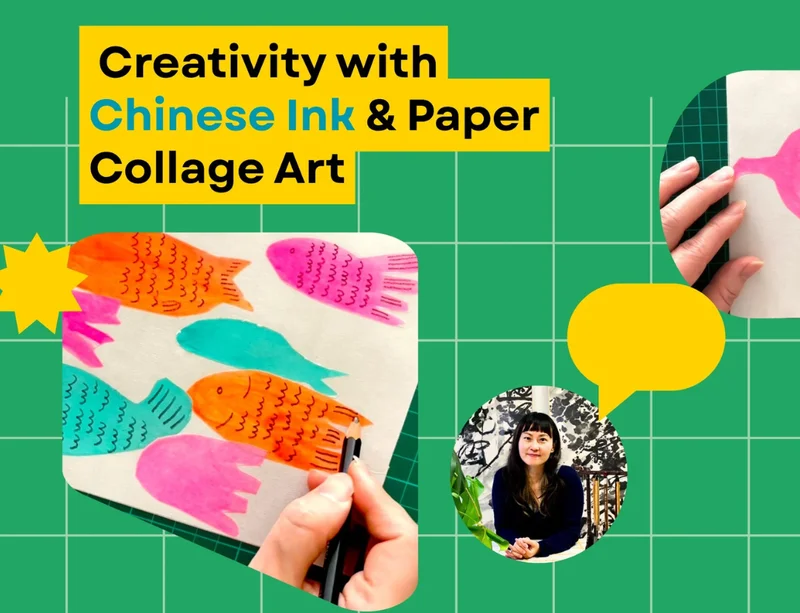
Your prompt for the day? Do one of them. Then go to Pinterest or Cosmos and put together a moodboard of images related to the discipline/technique you just dove into. Be brave and post your project to the Community Feed.
|
|
|
|
|
|
 |
Celebrating heritage, whether during a designated month or any other time of year, is personal. Here, we celebrate it through the various human practices we call “skills,” with a particular focus on the ones we can “share” (what it says on the tin, as they say). But recognizing the humanity in yourself and the people around you can also be a gentler, more internal process.
Enjoy your good hour. We’ll see you on the other side.
|
|
|
Celebrate AAPI-led creativity with Skillshare — plus 20% off
|
| From Procreate to gouache printmaking, explore hands-on creativity with Skillshare. |
|
|
|
| Offer valid on annual memberships. Offer expires 07/31/2026 at 11:59 PM UTC. After one year, your subscription will automatically renew at the full annual price. We will email you reminders prior to renewing. You may cancel at any time, effective at the end of the billing period. |
|
|
|
|
|