| The Sunburn Series |
Part II |
|
|
|
As we learned in Part 1, freshly sunburned skin isn’t just uncomfortable on the surface, it’s vulnerable at its core. Sunburns temporarily deprive skin of its go-to repair mechanisms: water is rapidly lost, the barrier is weakened, and inflammation takes over healthy repair functions. Until your skin heals and resets back to 100%, you will have to take over its primary duties on your own: keeping skin sufficiently hydrated, temperature-controlled, and sheltered from further damage. This will help gradually revive skin’s operational powers, relieve surface sensitivity, and (hopefully) provide a newfound respect for skin’s invisible labor. |
|
Just as water puts out fire, a moisture-rich environment accelerates barrier function repair and relieves skin surface tightness, flaking, and sensitivity. This is an exercise in rehydration, so make sure to drink extra water yourself.
|
|
Using cool or lukewarm water, wash away irritants and grime with a mild, gentle cleanser like Comfort Cleanse. The formula is rich in glycerin (25%!), a humectant that attracts moisture and helps foster a bacteriostatic environment, ideal for healing. |
|
To replace the water content that sunburns deplete, slather on Speed Soak while skin is still damp after cleansing. Designed to rehydrate on contact and replenish water reserves deep within skin, it’s extra cooling straight from the fridge. You’ll want to opt for something that is lightweight and preferably gel-based, as heavy, rich formulas can trap heat—sabotaging the skin healing process. |
|
Repeated moisturization is essential. To prevent moisture loss and quell itching, the below ingredients are favorable year round, though especially when your skin barrier is compromised.
- Humectants, like glycerin and aloe
- Emollients, like squalane and jojoba oil
- Anti-inflammatory ingredients, like panthenol and colloidal oatmeal
N.B. If you suspect you have a moderate or severe sunburn (or sun poisoning), which involves blistering, chills, nausea, or dizziness, it’s best to consult a doctor. Don’t be embarrassed that it’s ‘just a sunburn’—it’s a radiation burn, after all.
|
|
Apply SPF 30+, preferably SPF 50+, every 2 hours to sun-exposed areas. Whether it’s a physical or chemical sunscreen—use whichever broad-spectrum formula works best for your skin and do not skimp! Most people are chronic under-appliers, so use more than you think you need. Using too little at this point is the greatest waste of all. To get the proper protection promised on the bottle, you’ll need to apply about a 3/4 to 1/2 teaspoon of sunscreen to your face, neck, and ears alone. For the body, you’ll need at least a full ounce (visualize: a shot glass), and more if you’re on the larger/taller size. Sunscreen expires (usually listed somewhere on the packaging), so try to use it up in the same season you open it for its prime protection benefits.
Wear protective clothing. A wide-brim hat, sun gloves (especially while driving), and cover arms and legs for anything more than brief, day-to-day exposure. It becomes a habit in your routine the more you do it. You can make it chic.
|
|
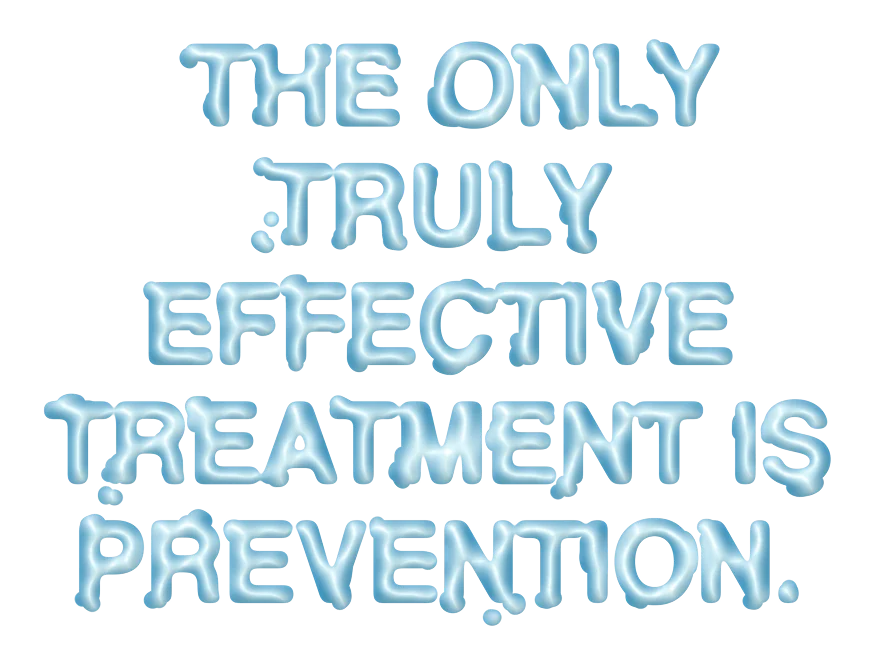
Think of sun protection less as a chore and more as a wellness habit—one that pays off both instantly and in the long run. |
|
| Free shipping on orders over $65 |
|
|
Soft Services
228 Park Ave S
PMB 78638
New York, New York 10003
Unsubscribe
© 2025 All Rights Reserved
|
|
|
|
|