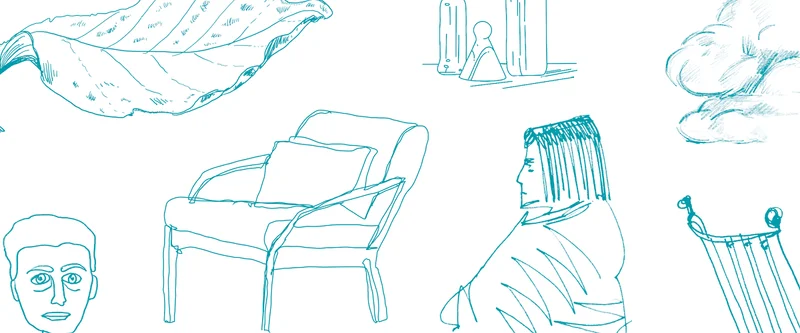

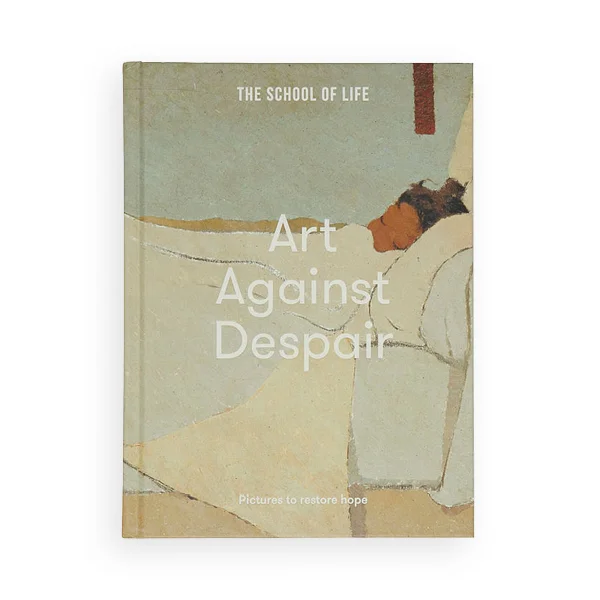
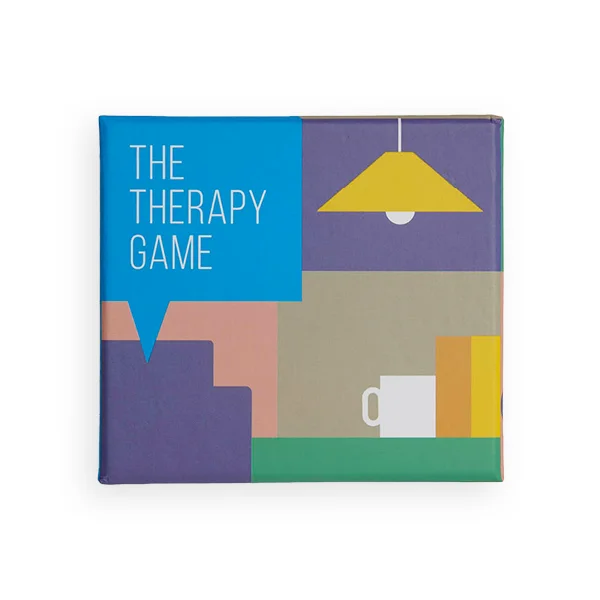
So much of who we are lies far beneath the surface – emotions, memories and patterns we can't always put into words. We carry thoughts we haven't quite realised, and feelings we can’t quite name. These inner landscapes shape how we love, how we work, and how we see the world; but they often remain frustratingly out of reach. What if, instead of speaking or writing, we tried drawing? Not to be good at it – but to access something hidden and truly essential to who we are. | Drawing as Therapy is a guided book of 80 creative exercises designed to help you explore your inner life visually. Whether you're facing a particular struggle or simply curious about yourself, it’s a powerful, playful and accessible way to bring your unconscious thoughts to light – no artistic skill required. | | | | | We often assume we need words to understand ourselves – but sometimes, an image says more. Art Against Despair is a collection of artworks, each paired with a short psychological reflection, designed to help us see our inner lives more clearly. | | | | | Some thoughts only emerge when we’re asked the right questions.
The Therapy Game is a set of prompts that encourage honest, reflective conversations we rarely find time for – with ourselves or another. | | | To better understand ourselves, we sometimes need to look through a different lens. These articles explore some of the ways we might begin to listen to what our minds are trying to say beneath the surface.
| | | | | What Is The Unconscious - and What Might Be Inside Yours?
Much of who we are is hidden within us – often because it's uncomfortable to face. This article explores how we face our repressed thoughts, move beyond shame and into deeper self-understanding. | | | | | How To Catch Your Own Thoughts Creative exercises help us bring vague feelings into clearer focus. This article offers practical, imaginative ways to uncover what we’re feeling, even when the words don’t yet exist. | | | “What we may struggle to convey through language may be embodied in shapes, lines and symbols. The act of drawing from memory, delving into the recesses of our minds, may dredge up details and impressions we may not have expected – but entirely needed.” – p.59, Drawing As Therapy, The School of Life | | | |