We often try to put thoughts of our own mortality aside – until, rather suddenly, we’re swallowed by the very thought of our fleeting existence in the middle of a meeting, or a composed dinner table. In this episode of The Workshop Podcast, Alain and John explore two famous ways of approaching death: Socrates’ quiet embrace, and Dylan Thomas’s refusal to let go without a fight. Between resignation and rage, they arrive at a third position – one that feels more human, more attainable, and unexpectedly useful for the living. Become a Content Member to access all episodes, plus new articles, daily lessons and more – start your free trial below. | | | Regular reflections on on death can bring what really matters into sharper focus. These articles explore how an awareness of mortality can deepen our sense of purpose and appreciation. | | | | | Momento Mori
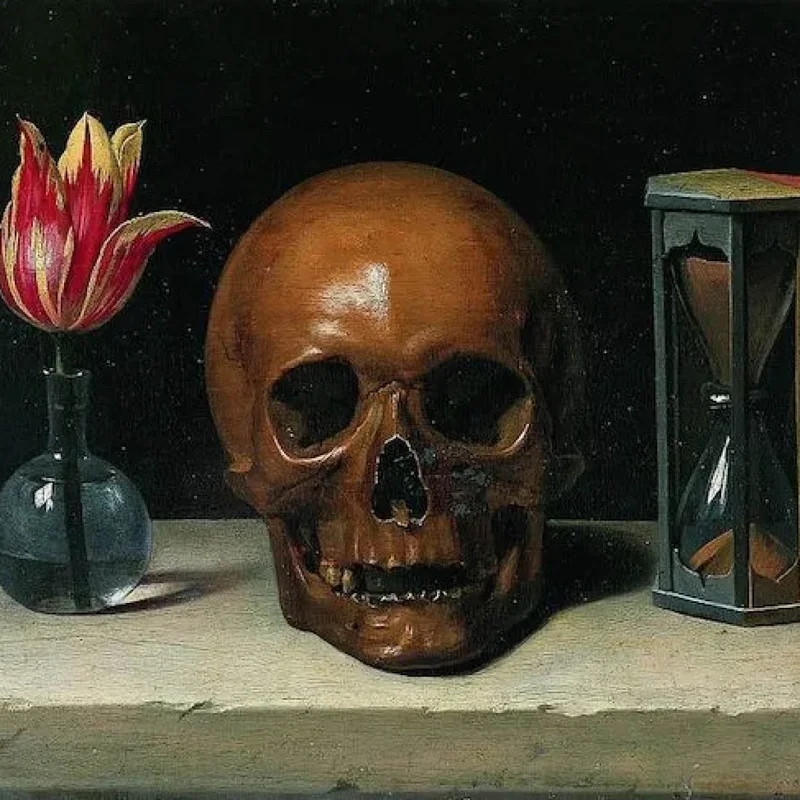
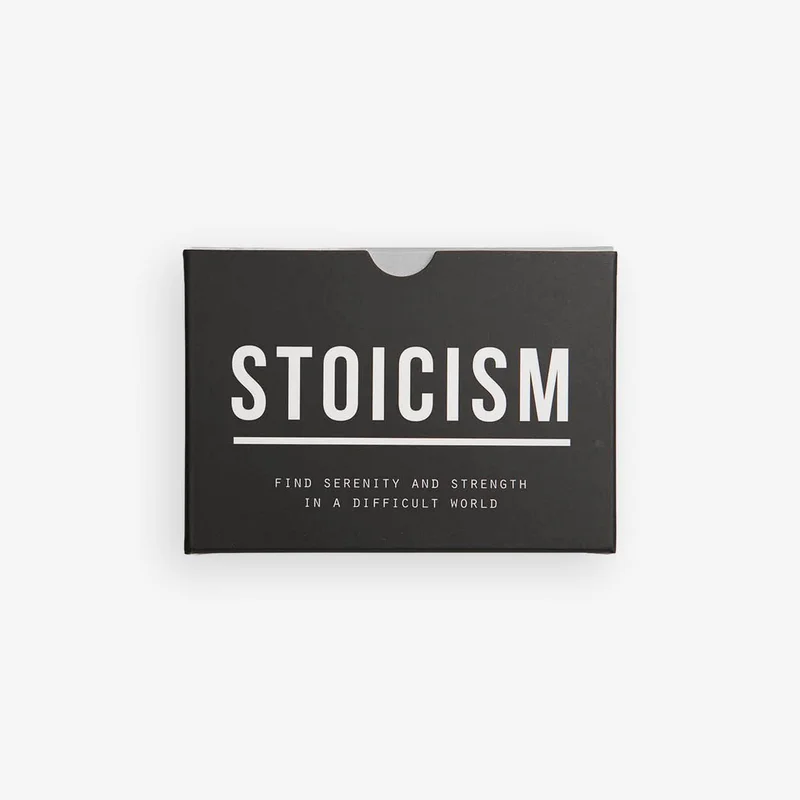
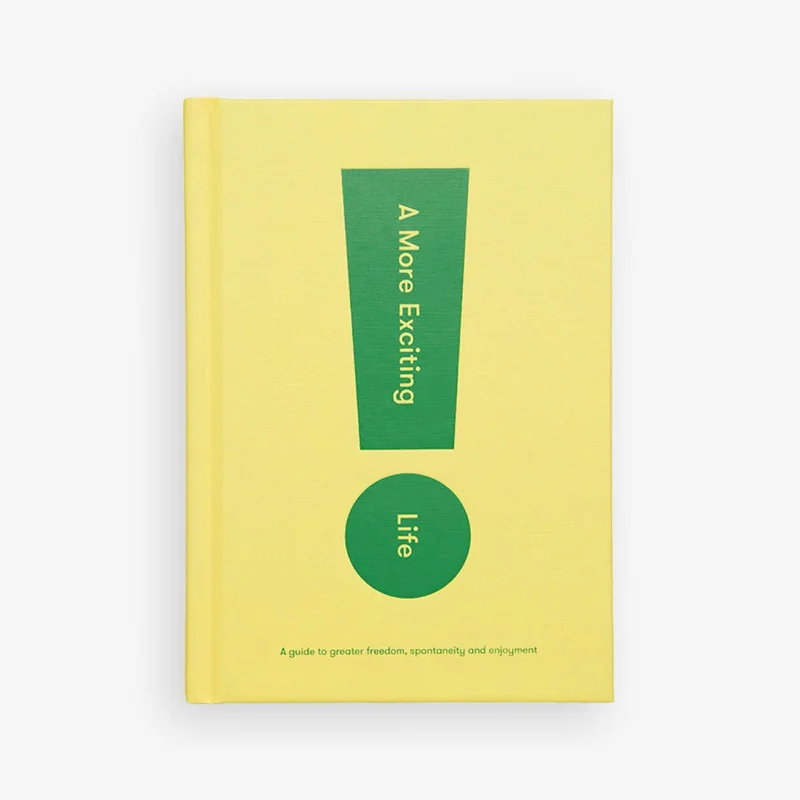
For centuries, artists made memento mori images to remind us of death — not to depress us, but to help us refocus on what matters. This article explores how a clear-eyed awareness of mortality can shrink our more prosaic worries and bring our real priorities into view. | | | | | When I Am Called To Die A sober, oddly consoling look at the moment we’re ‘called’ to accept life’s limits – and the ways we can meet that fact without either melodrama or denial. This article reframes dying as something we’ve been doing, slowly, all along – while few of us will ever really live. | | | A collection of tools to help us understand what it means to truly live – and, in turn, better embrace the reality of death. Become a Member to get 10% off all books and tools, across our entire online shop. | | | Stoicism Cards The Stoics believed that regularly remembering death sharpens our lives. These cards distil their most consoling ideas – helping us accept what we cannot control, worry less about trivialities, and focus on what truly deserves our limited time. | | A More Exciting Life When we remember that life will not go on indefinitely, playing things too safely starts to look like a risk in itself. This guide explores how to loosen rigid routines, question inherited expectations and live more vividly – not someday, but now. | | | |