|
|
"They decided that competition was too hard and it would be easier to buy out their rivals..."
— Federal Trade Commission lawyer Daniel Matheson
|
|
Happy Thursday and welcome back to Snippets 👋 Here's what's been happening at the intersection of privacy, AI, and tech:
- Meta is facing a landmark antitrust suit from the FTC
- Personnel cuts at the IRS may endanger taxpayers' privacy
- MIT released a new framework meant to protect AI training data
- And so much more!
|
|
|
|
|
Meta's ownership of Instagram and WhatsApp challenged in antitrust trial
|
 |
|
Reuters
|
The FTC is suing Meta, accusing the company of unlawfully eliminating competition through its acquisitions of Instagram and WhatsApp, in a landmark antitrust trial that began on Monday.
|
- Meta claims it still faces competition from TikTok, YouTube, and X.
- The company also argues the acquisitions, which the FTC approved, were not anti-competitive acts, but rather bolstered growth across all platforms involved.
- Supporting the FTC’s claims of anti-competitive behavior are the platforms’ high acquisition costs – $1 billion for Instagram and $19 billion for WhatsApp – and internal correspondence in which Meta CEO Mark Zuckerberg reportedly said, “It's better to buy than to compete.”
- Nonetheless, the FTC faces an uphill battle—given the abrupt firing of its only two Democratic commissioners in March and Zuckerberg's attempts to mend ties with President Trump through large donations and the elimination of Facebook’s fact-checkers.
|
|
|
|
|
|
|
🎪 Join Transcend at the 2025 RSA Conference!
|
|
We're thrilled to announce that Transcend will once again be exhibiting at the 2025 RSA Conference—taking place from April 28th to May 1st at the Moscone Center in San Francisco.
Come find us on the conference floor to chat through how privacy bolsters strong security, get a live demo of our next-generation privacy platform, and grab some of the best swag in the business. See you there!
|
|
|
|
|
|
|
|
IRS cuts and policy rollbacks endanger taxpayers’ privacy
|
 |
|
REUTERS/Jonathan Ernst
|
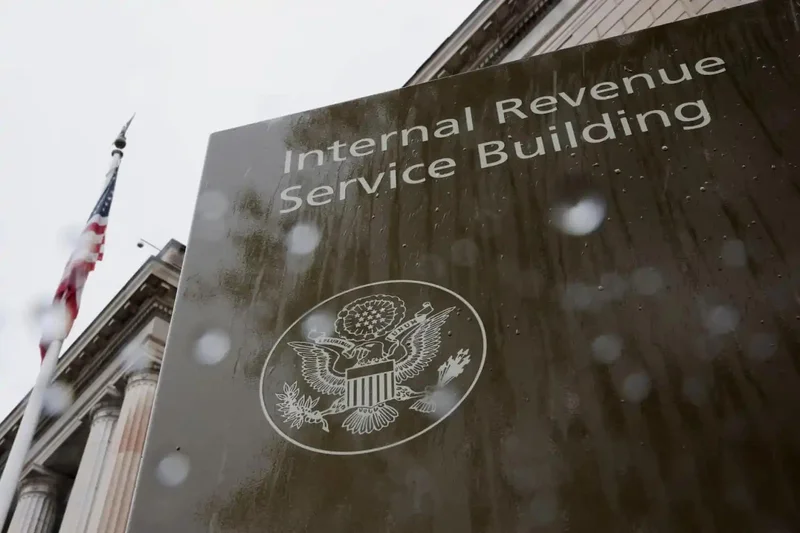
Sweeping personnel cuts in the Internal Revenue Service (IRS), implemented by the Trump administration, have damaged the agency’s core functions and compromised American taxpayers’ privacy, according to a Washington D.C. think tank.
|
- Since President Trump’s inauguration, the agency’s workforce has been downsized by 13%—a figure that’s projected to rise to 25% in the short term and up to 50% in the long term.
- These cuts are likely to diminish the IRS’s capacity to provide accurate and timely information, assist taxpayers with their filings, and pursue tax evaders, especially those in high-income brackets.
- Fifty of the laid-off employees oversaw critical cybersecurity functions, raising concerns about information security and breach protection.
- There are also fears that, with the Department of Government Efficiency (DOGE) attempting to use taxpayer data to execute mass deportations, undocumented immigrants could be discouraged from filing their returns, ultimately hurting the Treasury’s revenue.
|
|
|
|
|
|
|
|
PAC by MIT: Making AI private and efficient
|
 |
|
MIT News; iStock
|
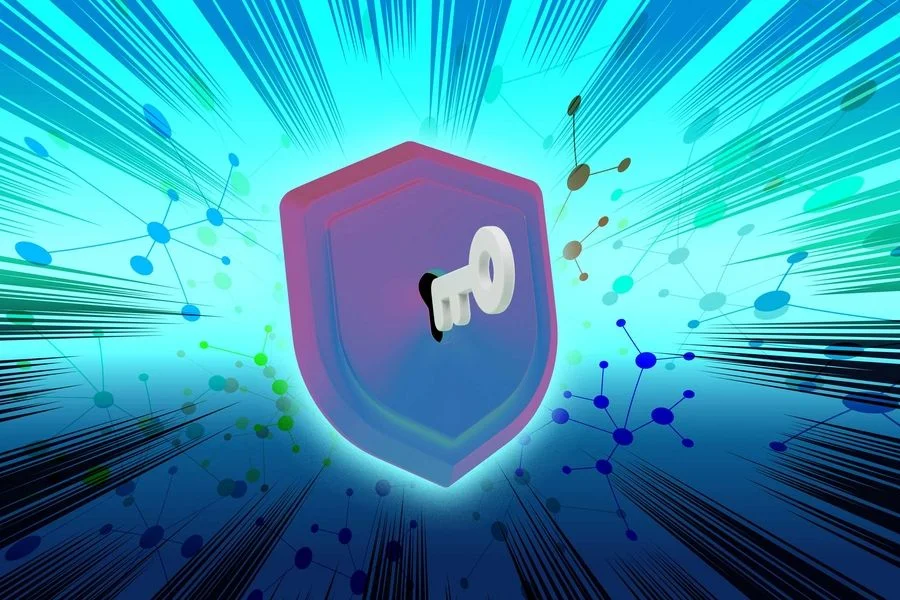
MIT researchers have developed a new privacy framework designed to safeguard sensitive data in AI models without compromising accuracy by automatically estimating and adding the minimal necessary noise.
|
- Based on the PAC Privacy metric, this new framework streamlines the process of privatizing algorithms by focusing on output variances rather than complex data correlations, leading to faster computation and scalability for larger datasets.
- The new technique introduces anisotropic noise, which is tailored to the data's specific characteristics, allowing for less noise overall, and thus better accuracy, compared to the uniform noise used in previous methods.
- The findings offer new inspiration for building privacy-first AI models—a focus area for many AI developers, including Apple, who continue to rely on differential privacy.
|
|
|
|
|
|
|
|
- Advertisers push back on Google’s campaign against AB 566.
- Is the AI doll trend worth the fun?
- CNIL releases draft guidelines on connected vehicle data collection.
- Google is fixing a 20-year-old privacy risk.
- TRU Staffing Partners releases 2025 AI and privacy jobs report.
|
|
|
|
|
|
Why privacy still matters in the connected world
|
 |
|
Freepik
|
In his new book, On Privacy: Twenty Lessons to Live By, Lawrence Cappello, a professor of US constitutional history at the University of Alabama, argues that privacy is the bedrock of a free and healthy society—and that it needs to be protected in the modern, hyper-connected world.
|
- Challenging the notion that privacy is dead or only for wrongdoers, Cappello argues it’s actually the key to a dignified life—shielding individuals from misrepresentation of certain aspects of their lives and judgment based on past mistakes.
- To thwart hackers from accessing sensitive data, Cappello recommends using a webcam cover, setting robust passwords rather than biometric identifiers, and revoking microphone and camera permissions for apps that don’t need them.
- In an economy where money speaks the loudest, Cappello calls for privacy to be pitched as a profitable commodity that drives business growth, as opposed to pinning hopes on legislative action.
|
|
|
|
|
|
|
|
NIST’s newly updated Privacy Framework focuses on AI
|
 |
|
Credit: N. Hanacek/NIST
|
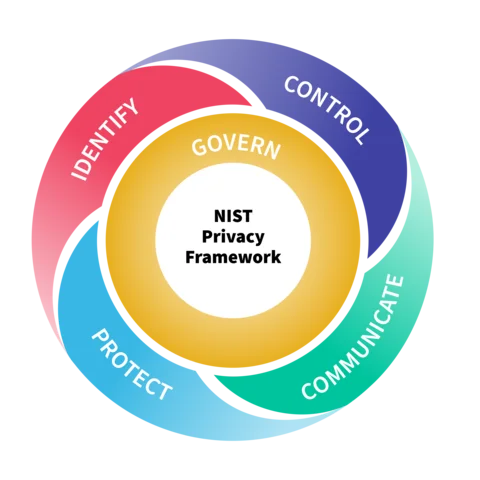
The National Institute of Standards and Technology (NIST) has updated its Privacy Framework to address new risks, particularly those related to AI, and to align it with the newly updated Cybersecurity Framework.
|
- Based on stakeholder feedback, the new draft introduces revisions to the ‘Core’ component, which outlines ways for organizations to track their risk mitigation strategies and recommends privacy safeguards.
- The draft also presents a new section dedicated to addressing AI risks, which weren’t yet a significant concern when the draft was first released.
- Other changes include moving user guidelines to the web in an interactive FAQ format to improve user experience, searchability, and support.
- The revised draft will remain open for public comment until June 13, 2025.
|
|
|
|
|
|
|
Transcend launches new plans for startups and mid-market companies 🚀
|
|
We're excited to announce new plans specifically designed for high-growth startups and scale-up privacy teams, including:
- Transcend Privacy Rights: Your one-stop shop to handle all user privacy rights, including automated DSRs and comprehensive consent management.
- Transcend Data Discovery & Classification: Automate identification and classification of personal data across your tech stack to get the insights you need to categorize sensitive data and identify policy violations.
With streamlined access to Transcend's essential features and functionality, teams can now tackle their most pressing privacy, data, and AI governance challenges efficiently from day one.
|
|
|
|
|
|
|
|
|
Snippets is delivered to your inbox every Thursday morning by Transcend. We're the platform that helps companies put privacy on autopilot by making it easy to encode privacy across an entire tech stack. Learn more.
|
|
|
|
|
|
|
|
|