|
Clearing the way |
|
|
More is more? Reader, on the contrary—consider the tranquility of a simple, unadorned space; the relief that comes with a clear schedule, an uncluttered wardrobe.
When it comes to skin care, the removal of excess can be similarly satisfying, as attested by our guide on regular exfoliation, a habit that helps maintain efficient cell turnover to support skin health.
|
|
|
|
|
|
| | | |
|
How often should one do it? |
|
|
|
Twice weekly is the recommended frequency—more often and you risk disrupting the skin’s protective barrier. This, in turn, can have an effect opposite to the one intended, exacerbating dullness and dryness. |
|
|
|
Is it for all skin types? |
|
|
|
While exfoliation helps to clarify oily skin, even those prone to dryness can benefit from a mild exfoliator, to slough away impurities and dead skin cells, readying the skin for hydration. Sensitive or reactive types should take a delicate approach with a patch test prior to use. |
|
|
|
Physical, chemical, or both? |
|
|
|
This is a matter of personal preference—and need. Physical exfoliants come in the form of granular ingredients, while chemical exfoliants use acids or enzymes—both types support the shedding process and can help clarify the skin's surface. |
|
| | | |
|
|
|
Body exfoliants: the unsung heroes |
|
|
|
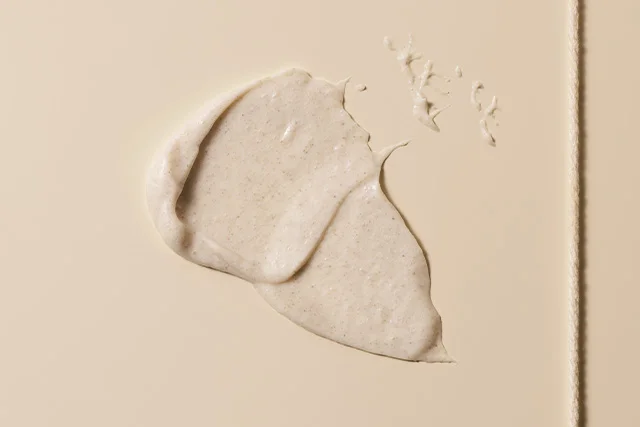
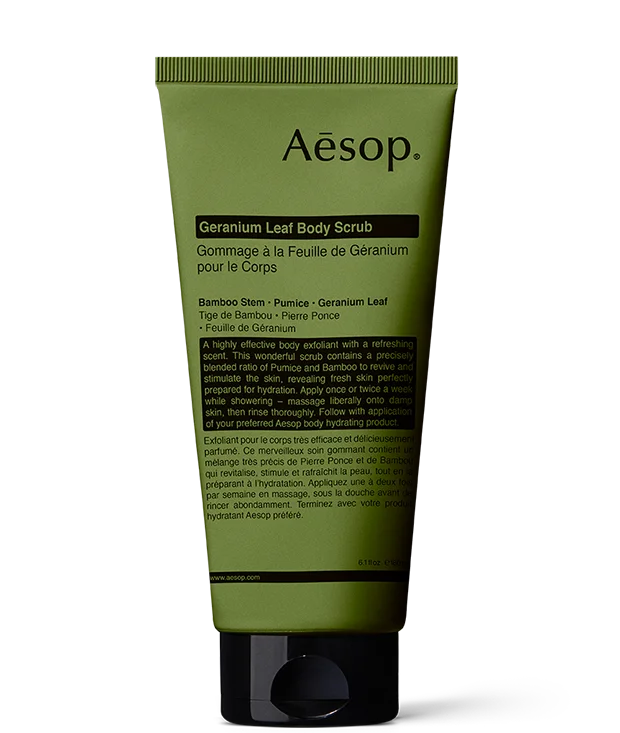
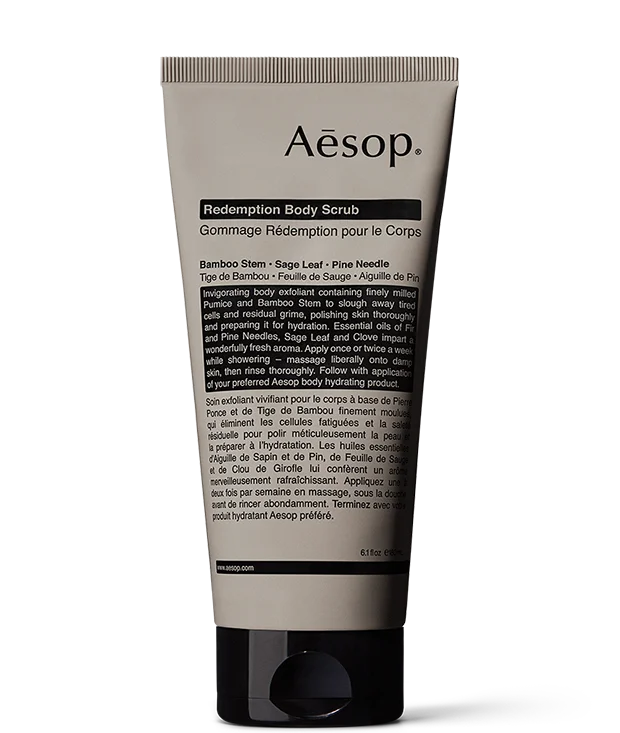
Much is said about facial exfoliants, but only rarely are body scrubs given the same attention—and yet, once included in a showering regimen, their positive effects on the skin are evident. |
|
|
|
|
|
| | |
|
| |
| | |
|