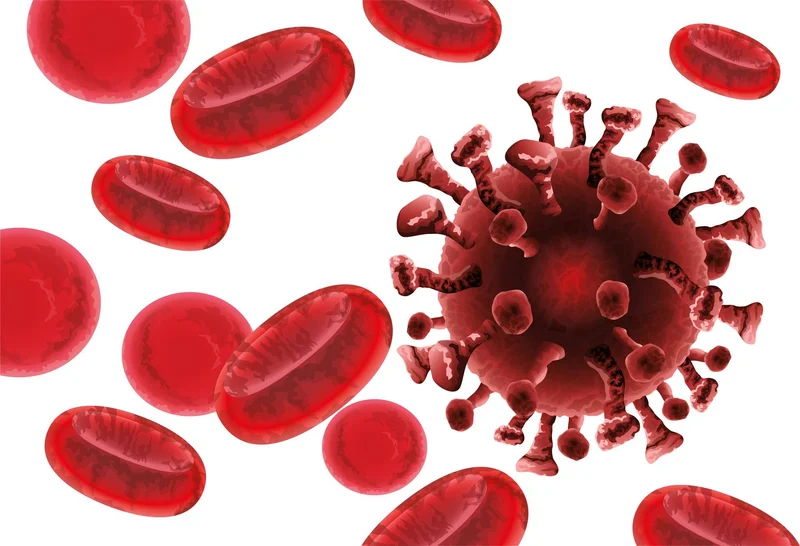
The second study, conducted by researchers at The Chinese University of Hong Kong and published in the peer-reviewed journal Gut in 2021, investigates the role of gut microbiota in COVID-19 severity.
The study analyzed 100 hospitalized COVID-19 patients and 78 non-COVID controls. Stool samples were taken during infection and up to 30 days after recovery, assessing microbial composition and inflammatory markers.
Patients with severe COVID-19 showed significant reductions in beneficial gut bacteria such as Faecalibacterium prausnitzii and Eubacterium rectale AND Increased levels of Ruminococcus gnavus were observed, which are associated with inflammation.
Persistent Dysbiosis, or leaky gut, was also observed in those with severe COVID.
A few caveats:
First, the Mayo Clinic study is a preprint, so the findings haven’t undergone peer review. Both studies had relatively modest sample sizes. And I’m not going to tell you there is a direct causal link between LONG COVID and unhealthy gut.
But what IS clear is that those with unhealthier microbiomes during the infection phase had higher correlations with Long COVID.
Sources
Yeoh Y.K., et al. "Gut microbiota composition reflects disease severity and dysfunctional immune responses in patients with COVID-19." Gut (2021).
Comba I.Y., et al. "Gut Microbiome Signatures During Acute Infection Predict Long COVID." bioRxiv (2024).