Feedback is one of the most powerful tools a manager has, but it’s also one of the most misunderstood. Many leaders think of feedback as something you give only when there’s a problem, but it's much more nuanced than that.
The best feedback isn’t just about making projects or processes better in the short-term — it’s about systematically helping your employees reach their full potential in the long run. According to Gallup, 80% of employees who receive meaningful feedback are fully engaged, which can increase their bias towards excellence.
Meaningful feedback does three things: clarifies expectations, builds motivation, and strengthens trust. These qualities come from responding to employees in a timely manner, being specific about how to improve, and helping define their next actions — all while motivating them to keep going. When you can strike the right balance with your feedback, you create stronger employees who can think on their feet and expand your team's influence.
So, how can you deliver impactful feedback that sticks, inspires, and actually leads to better results?
Deliver feedback in real time
Timing is everything. The closer feedback is to the event, the more meaningful it becomes. Waiting until the next performance review means you’re addressing outdated behavior, not current growth opportunities. Short, frequent check-ins often carry more impact than lengthy sessions. Even a quick, “Hey, I really liked how you handled that client objection,” or, “Let’s try another approach next time because I think your idea deserves a cleaner setup,” can create a continuous loop of learning and trust.
Key question: “How can you build quick feedback moments into your regular workflow?”
Focus on the future
The most common feedback trap is overanalyzing what went wrong with a given project. Sure, it's important to reflect on how it could have been done better, but try to be forward-looking in your approach. Instead of saying, “The report missed a few key points,” try, “Next time, let’s align earlier on the main takeaways so your insights stand out more.” This small shift shifts the focus from blame to improvement and helps employees feel capable rather than criticized.
Key question: “How can you frame your feedback for use in the future?”
Balance clarity with care
Constructive feedback requires both honesty and empathy. If you lean too far in one direction, your message will either feel too harsh (putting your employee on the defensive) or too vague (not leading to any change at all). The sweet spot lies in being clear enough to guide action and kind enough to keep motivation high. For example, instead of saying, “You need to communicate better in meetings,” be more specific. Try something like, “Your ideas are strong, but they’re getting lost in the details. Try summarizing your main point in one sentence before diving deeper.” This gives the person a clear next step while preserving confidence.
Key question: “Does your feedback make the next step obvious while still showing respect for your employee's effort and potential?”
Make it a dialogue
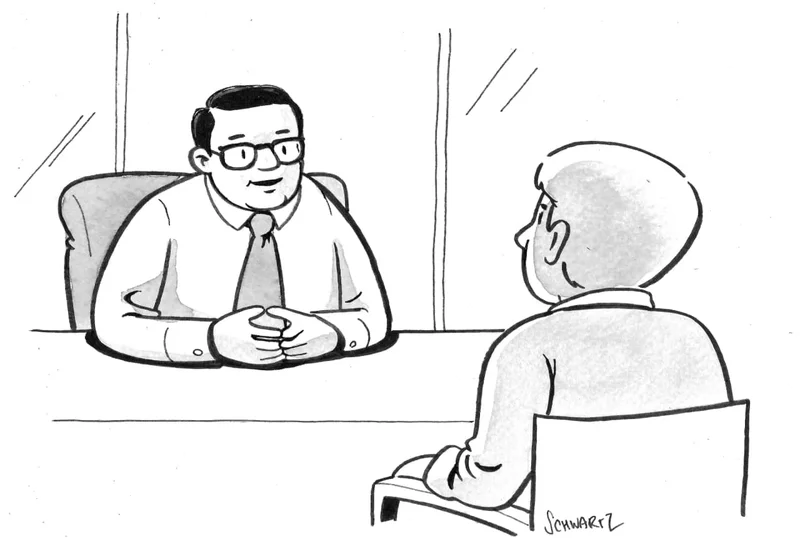
Feedback shouldn’t feel like a performance review monologue; it should always feel like a two-way conversation. After sharing your perspective, invite your team member to share theirs. Try asking, “How do you feel that project went from your perspective?” or “What support would help you improve in this area?” This approach builds ownership, and when employees are part of defining the solution, they’re more committed to following through. It also helps you uncover root causes that might not be visible from the outside, like unclear goals or conflicting priorities.
Key question: “Are you creating space for your team member to reflect and co-own their next steps?”
Reinforce progress, not perfection
Lasting behavioral change happens when employees see their growth recognized along the way. If feedback only surfaces when something’s wrong, it becomes associated with negativity. But when it’s balanced with genuine recognition, employees are more open to hearing it and acting on it. So celebrate small wins! You might say something like, “I noticed you implemented the new process we discussed and that made a big difference.” Reinforcing what’s working solidifies new habits and strengthens trust. Over time, feedback becomes a shared rhythm of improvement rather than a moment of judgment.
Key question: “How can you spotlight small improvements to build momentum and confidence?”