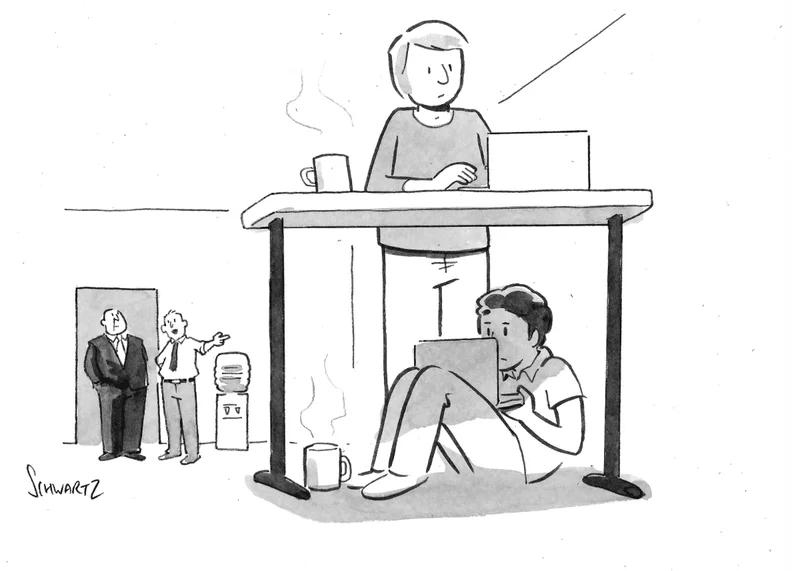
When you’re leading a team, sometimes it can feel like you’re expected to have endless energy, patience, and ideas. On one side, your team needs your direction and support as they execute, and on the other side, leadership needs your team to deliver on ambitious goals and always be prepared with updates on progress. But what space does that leave you?
You can’t commiserate with your employees because it doesn’t instill confidence, but you also can’t honestly vent to your boss because you want to be seen as a competent and credible leader. This lack of connection and outlets for problem-solving can lead to burnout, which over 50% of managers experience, according to Harvard Business Review.
Management can be lonely if you look within the confines of your day-to-day role. However, if you think beyond your daily interactions and become intentional about getting the resources you need, you might feel more creatively inspired and ready to take on the dynamics of your job with a new mindset.
So, how can you create a support system for yourself as you navigate the challenges of being a manager?
Find a mentor
If and when you’re feeling stuck, having a mentor can help you see the big picture by offering fresh perspectives based on their experiences. 90% of employees with a mentor are happy at work, according to Harvard Business Review, and 75% of executives credit their success to having a mentor. This highlights the many benefits of working with a seasoned and supportive sounding board in your corner.
When it comes to choosing a mentor, try to look for someone who is not on your team, potentially not even at your company, but who has been in similar shoes before. This way, you can speak freely to them without the fear of them losing confidence in your management ability or of word getting around. And remember, to actually benefit from their advice, you need to be completely honest about the challenges you’re facing, how you’re handling them, and how you’re feeling about your overall work. Try to meet with your mentor on a regular basis to make sure you have a reliable outlet.
Prioritize your learning
Doing your job the same way over time might cause you to feel stagnant, leading to more stress and doubt. Best practices are always evolving, and you, as a leader, need to constantly update your knowledge, as well. Try taking an active approach to learning new skills, ideas, and tactics to improve the way you manage people. This can give you a competitive edge and help you see your job in a new light. Learning doesn’t have to mean taking a lot of time out of your already busy schedule, but it’s important to be consistent, so try to dedicate even fifteen minutes a day to developing a new skill or staying up to date on industry news. This small effort can spark meaningful ideas and keep you feeling focused and sharp.
Find time to disconnect
When you're always in problem-solving mode, your brain doesn’t get a chance to unwind. This can cause your creativity to stall and evoke stress when you’re struggling to come up with fresh ideas to reach your management goals. Moments of creativity happen when the brain is at rest, according to an Inc. Magazine story about neuroscience. In fact, if you’ve ever had an “aha” moment when taking a shower or going on a walk, you might already know the creative power of relaxation. So, don’t leave those moments to chance. Find some time each week to actively give your brain a break by engaging in an activity that allows your mind to wander, creating new opportunities for those “aha” moments.
Maintain boundaries
When things go wrong on a project or process, many managers feel like they have to step in and do their employees’ work for them, but it’s important to avoid falling into this trap. Taking it on yourself simply multiplies the number of problems you have, since the employee is no more well equipped to handle similar situations in the future, and this reaction will eventually burn you out. Recognize that your role as a leader is giving direction, and trusting your employees to do their jobs. Be open to new ways of working or approaches to allow your employees to grow and improve, while freeing up your time and avoiding burning out.
Build a support network
Speaking of burnout, feeling isolated can have a huge impact on your mental well-being and can make you more susceptible to reaching your limit. Try to get ahead of those feelings by finding a support group of peers who can all benefit from one another’s skills, advice, and camaraderie. Perhaps this group is made up of other leaders in your organization from different departments or people outside of your company with similar roles. Scheduling regular check-ins – whether through casual coffee chats, structured meetings, or online communities – can create a safe space to share experiences, exchange ideas, and offer support. Investing time in these relationships not only strengthens your resilience but also helps you grow as a leader by learning from other's successes and setbacks.