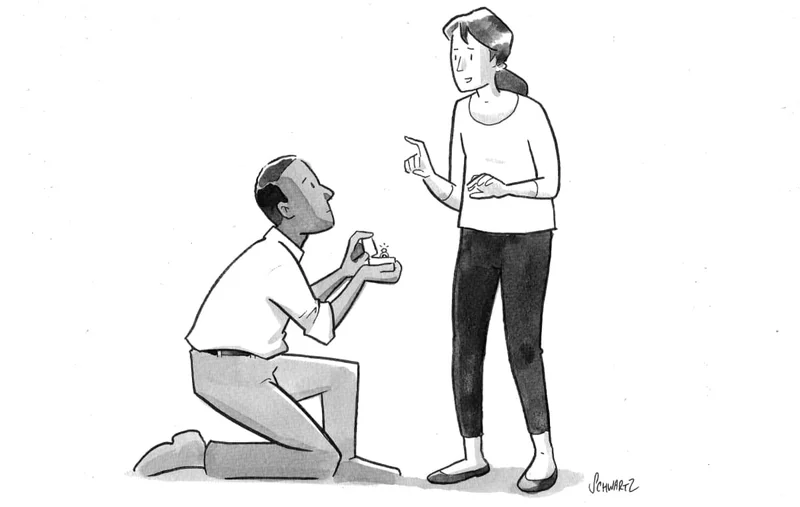
With Valentine’s Day coming up later this week, it feels fitting to discuss the factor most critical to ensuring healthy, long-lasting relationships: conflict resolution.
Yes, Valentine’s Day is typically about romantic relationships, but why not use the opportunity to address the fact that strong communication and the ability to navigate conflict are just as essential in the workplace? Whether you’re leading a team or managing a department, your ability to manage conflict effectively can be the difference between a thriving, engaged workforce and a toxic, dysfunctional one.
Psychologist Dr. John Gottman identified four negative communication patterns that, if left unchecked, can corrode relationships. These are Criticism, Contempt, Defensiveness, and Stonewalling, commonly referred to as the Four Horsemen.
While Gottman’s research primarily focused on marital relationships, these patterns are equally destructive in workplace environments and can lead to weak collaboration, low morale, and high turnover rates. Because when these behaviors take root, they create a culture of mistrust and disengagement, making it difficult for teams to move forward and work together effectively.
So, as a leader, how should you approach conflict on your team?
Focus on behavior, not personality
One of the most common mistakes in workplace conflict is the tendency to frame criticism in a way that feels like a personal attack rather than constructive feedback. When someone feels like their character is being criticized, they naturally respond defensively, which is why it’s so important to focus feedback on behaviors – not personality traits. For example, instead of saying, “You’re unreliable,” try to address what led you to this conclusion, like, “I’ve noticed you missed several deadlines recently.” This keeps the conversation objective and makes it clear what needs to change in order to improve. Feedback framed around behavior is more likely to be received constructively and lead to positive change, according to research from the Center for Creative Leadership.
Set a culture of respect
Contempt—whether in the form of sarcasm, dismissive body language, or belittling remarks—is one of the strongest predictors of toxicity in relationships. In the workplace, this often looks like rolling eyes in meetings, making passive-aggressive comments, or speaking in condescending, offensive tones. As a leader, it’s your responsibility to call out these behaviors (privately) when you notice them and reinforce a culture of collaboration and respect. Ignoring these patterns allows them to fester, eroding team trust and morale, and potentially retention. Employees take cues from leadership, so modeling respectful communication and addressing this type of behavior directly helps reduce conflict and create a more psychologically safe environment.
Acknowledge your own mistakes
Conflict on a team can quickly escalate when people feel blamed or misunderstood. So, as the one setting the tone for how your team navigates conflict, you need to be very intentional about your approach. If you respond to team challenges or conflicts by looking for someone else to blame, your team will likely do the same. So instead, start by taking responsibility for your own missteps and modeling a proactive mindset. Leading the conversation with phrases like, "I should have communicated that feedback more clearly" or "I realize my approach caused frustration, and going forward I’ll make sure to loop you all in sooner" can help promote a culture where team members feel empowered to acknowledge their mistakes as well. Demonstrating what it means to take accountability in conflicts not only strengthens trust but also shifts mindsets away from blame and toward problem-solving.
Address avoidance head-on
Stonewalling, or shutting down in the face of conflict, often occurs when people feel overwhelmed or unsure of how to engage. In the workplace, this might look like avoiding difficult conversations, ignoring messages, or disengaging from team discussions. Left unresolved, this builds tension and resentment, damaging team dynamics. In contrast, teams that engage in structured conflict resolution see a 30% improvement in collaboration and problem-solving, according to Harvard Business Review. So, if you notice someone withdrawing, try saying something like, “I can see this is a tough conversation. Let’s take a break and schedule time to come back to it with a clear head.” Respecting the need to process while making it clear that resolution is a priority helps prevent small conflicts from escalating into larger issues.
Lead with questions, not accusations
When conflicts arise, try to initiate one-on-one conversations about it with clarifying questions rather than assumptions or negative remarks. For example, instead of saying, "I heard you weren’t being cooperative in the meeting," try, "Can you walk me through what happened in the meeting from your perspective?" This approach allows the conversation to develop calmly and encourages open dialogue. Leaders who practice curiosity and ask clarifying questions build more trust and engagement within their teams, according to research from MIT Sloan. So do your best to make your team members feel heard in order to help find common ground and increase the effectiveness of conflict resolution.