|
Featuring advice from Dr. Jeanine Downie ͏ ͏ ͏ ͏ ͏ ͏ ͏ ͏ ͏ ͏ ͏ ͏ ͏ ͏ ͏ ͏ ͏ ͏ ͏ ͏ ͏ ͏ ͏ ͏ ͏ ͏ ͏ ͏ ͏ ͏ ͏ ͏ ͏ ͏ ͏ ͏ ͏ ͏ ͏ ͏ ͏ ͏ ͏ ͏ ͏ ͏ ͏ ͏ ͏ ͏ ͏ ͏ ͏ ͏ ͏ ͏ ͏ ͏ ͏ ͏ ͏ ͏ ͏ ͏ ͏ ͏ ͏ ͏ ͏ ͏ ͏ ͏ ͏ ͏ ͏ ͏ ͏ ͏ ͏ ͏ ͏ ͏ ͏ ͏ ͏ ͏ ͏ ͏ ͏ ͏ ͏ ͏ ͏ ͏ ͏ ͏ ͏ ͏ ͏ ͏ ͏ ͏ ͏ ͏ ͏ ͏ ͏ ͏ ͏ ͏ ͏ ͏ ͏ ͏ ͏ ͏ ͏ ͏ ͏ ͏ ͏ ͏ ͏ ͏ ͏ ͏ ͏ ͏ ͏ ͏ ͏ ͏ ͏ ͏ ͏ ͏ ͏ ͏ ͏ ͏ ͏ ͏ ͏ ͏ ͏ ͏ ͏ ͏ ͏ ͏ ͏ ͏ ͏ ͏ ͏ ͏ ͏ ͏ ͏ ͏ ͏ ͏ ͏ ͏ ͏ ͏ ͏ ͏ ͏ ͏ ͏ ͏ ͏ ͏ ͏ ͏ ͏ ͏ ͏ ͏ ͏ ͏ ͏ ͏ ͏ ͏ ͏ ͏ ͏ ͏ ͏ ͏ ͏ ͏ ͏ ͏ ͏ ͏ ͏ ͏ ͏ ͏ ͏ ͏ ͏ ͏ ͏ ͏ ͏ ͏ ͏ ͏ ͏ ͏ ͏ ͏ ͏ ͏ ͏ ͏ ͏ ͏ ͏ ͏ ͏ ͏ ͏ ͏ ͏ ͏ ͏ ͏ ͏ ͏ ͏ ͏ ͏ ͏ ͏ ͏ ͏ ͏ ͏ ͏ ͏ ͏ ͏ ͏ ͏ ͏ ͏ ͏ ͏ ͏ ͏ ͏ ͏ ͏ ͏ ͏ ͏ ͏ ͏ ͏ ͏ ͏ ͏ ͏ ͏ ͏ ͏ ͏ ͏ ͏ ͏ ͏
|
|
I’ve inherited many traits from my mother, and one of them is taking my body care routine very seriously. I approach the skin on my body with the same thoughtfulness (neuroticism?) as the skin on my face. And I’m an avid exfoliator, crediting the habit for my soft, supple skin. But approaching exfoliation as a newbie can be tricky, especially if you have darker skin, because of the risk of the dark mark.
|
|
|
|
|
|
No, I’m not talking about the one from Harry Potter, but hyperpigmentation. “Everyone, regardless of race, deals with post-inflammatory hyperpigmentation (PIH), but you see it more with deeper skin tones because we have a higher amount of melanin in our skin cells,” says
Dr. Jeanine Downie, a board-certified dermatologist and founder of image Dermatology in Montclair, NJ. When you get a zit—or a mosquito bite, bump, or bruise—your skin gets inflamed and as your body goes into overdrive to heal the inflammation, it sends melanin to the trauma site. With darker skin tones, the body sometimes produces too much melanin, leaving dark spots behind.
|
|
|
|
|
|
Over-exfoliating or using harsh ingredients can trigger inflammation, hence why some people with darker skin tones may be hesitant to exfoliate in the first place. But fear not! An informed and strategic approach will make all the difference. According to Dr. Downie, before adding an exfoliator to your routine, you want to consider your skin type and sensitivity level to avoid triggering any PIH.
|
|
|
|
|
Lactic acid and
urea are both milder exfoliants—though it depends on how much is in the formula—and they also help hydrate the skin. Since they have larger molecules, they mainly work on the skin's surface, which makes them less likely to cause irritation.
If you’re on the oilier side, Dr. Downie recommends that you should still be kind to your skin, but you don’t have to be quite as gentle. If you have this body skin type, you might find it helpful to
pair a chemical exfoliant with a physical one.
|
|
|
|
|
Just a heads-up—if you're dealing with an active acne flare-up, it's best to skip the physical exfoliant on those areas. It could irritate the skin and make things worse, possibly leaving a mark.
Skin type is also something to consider when it comes to how often you exfoliate. “With oily skin or skin that’s less sensitive, you can lightly exfoliate three, maybe four times a week,” says Dr. Downie. “If you have dry skin or really sensitive skin, gently exfoliating once a week is ideal.” Overall, your body can usually handle exfoliating more often and with stronger actives than your face can.
If you do experience any dark spots that are stubborn or deep under the skin, it might be a good idea to see a dermatologist or aesthetician for more advanced treatments, like a professional peel.
|
|
|
|
|
|
|
|
AMA’S ROUTINE
|

|
|
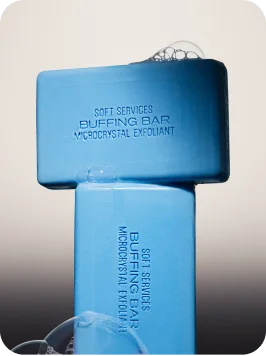
As someone who is accident-prone (read: I have lots of bumps and bruises) and doesn’t have super sensitive skin, I’ll use Soft Services’
Buffing Bar two to three times a week, gently massaging it into my skin, focusing on my elbows, knees, heels, and any other areas that need extra TLC.
|
|
|
|
|
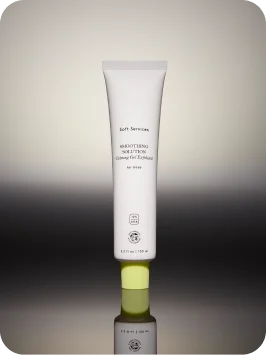
About twice a week, on the days I don’t use a physical exfoliator, I add the
Smoothing Solution (which includes 10% lactic acid + 5% urea) to my post-shower lineup.
|
|
|
|
|
I finish up by using
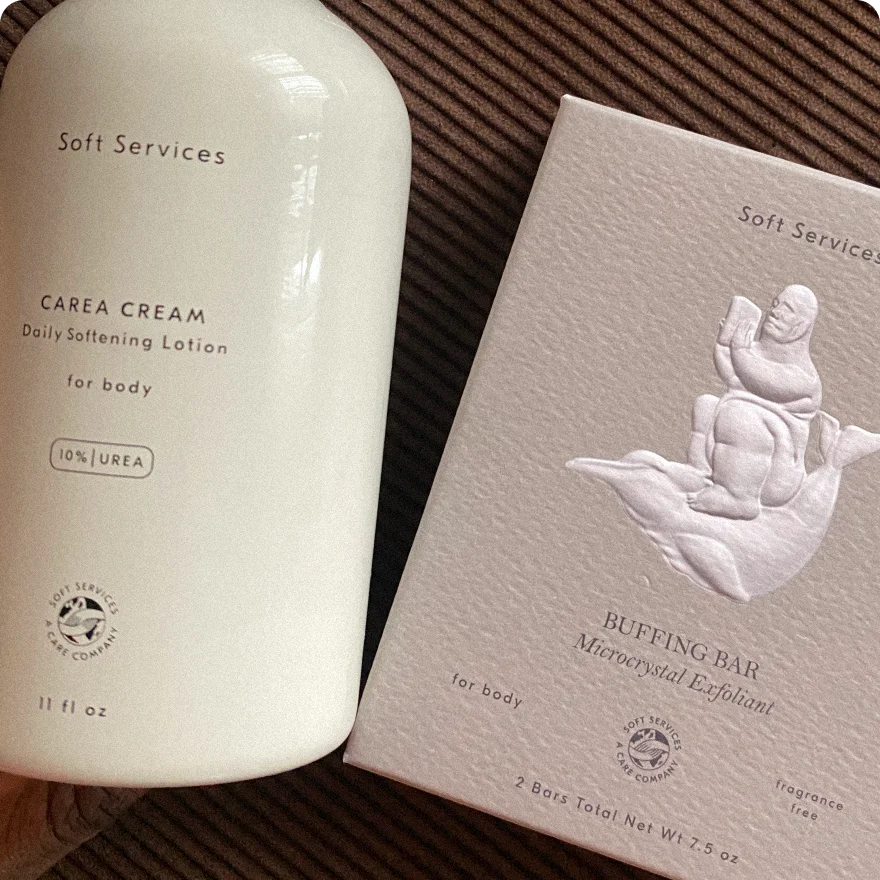
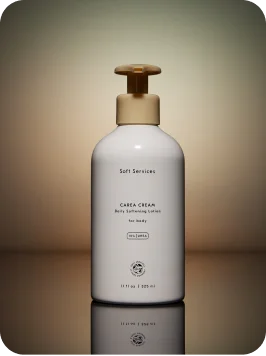
Carea Cream (which has 10% urea) as my all-over body lotion. It helps lock in moisture and keeps my skin feeling soft over time.
I’ve found that combining physical and chemical exfoliation is key for me when it comes to achieving peak softness.
|
|
|
|
|
|
|
|
And don’t forget to layer on sunscreen—yes, even on your body, and yes, even when you’re not going to the beach. “Anybody that exfoliates, regardless of their race or ethnicity, needs to wear SPF 30 every single day, rain or shine,” says Dr. Downie. “When you exfoliate, you’re removing dead skin cells. Your skin is going to be more sensitive to the sun.” On top of helping prevent sensitivity, wearing sunscreen will also protect all the progress your skin has made from exfoliating.
|
|
|
|
|
Exfoliation doesn’t have to be intimidating, even if you’re new to it or worried about dark spots. By understanding your skin type and choosing the right products, you can exfoliate safely, reveal soft, baby-smooth skin without the risk of irritation, and create a body care routine your face will be jealous of.
—Ama Kwarteng, writer and editor based in Brooklyn.
|
|
|
|
|
| Free shipping on orders over $65 |
|
|
|
|
|
|