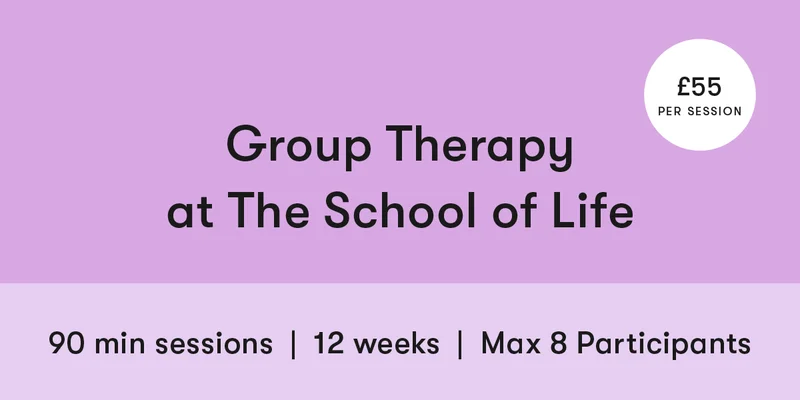
When we imagine what therapy might involve, we probably picture the classic, one-on-one kind; a single client meeting with a single therapist, who may well invite us to recline on a sofa. But this is far from the only kind of therapy – and what’s more, we might find we’re better suited to a different model.
Group therapy – where the same group of people meet regularly for a collective discussion, moderated by a therapist – can be beneficial for three reasons:
— Mutual vulnerability: Often, we hold back from admitting to certain thoughts or feelings out of a fear that they are uniquely shameful. In a group setting, hearing the testimony of others, we stand to recognise just how commonplace – and forgivable – many of our deepest fears and insecurities really are.
— Genuine connection: In the social media age, our interactions with others can feel increasingly superficial. In contrast, group therapy offers a uniquely honest forum for connection, where participants are encouraged to lower their defences and give an honest, unvarnished account of their personality and problems.
— Shared accountability: No form of words has as much power to heal as this: you are not alone. We’re far more likely to see a healing journey through to its end if we have companions to help us along the way.