We often push thoughts of death aside, hoping to delay discomfort. But beneath the fear lies something else: a longing to understand how to die well — and how to live more fully because we have learnt to die. In this week’s episode of The Workshop podcast, Alain de Botton and John Armstrong explore two ancient ideals around death: one that calls for calm acceptance, and another that urges passionate resistance. And then, they offer a third way: one that neither surrenders nor rages, but tries to meet death with clarity, courage, and care. | | | About The Workshop Podcast The Workshop is our behind-the-scenes podcast: a quiet, sincere conversation between philosophers Alain de Botton and John Armstrong. Each episode explores how philosophy meets everyday life — love, work, friendship, and, this week, our relationship to death. Our App Subscribers have especially resonated with: | A discussion on the roots of confidence, why it varies so widely, and how cultivating more of it can transform our lives.
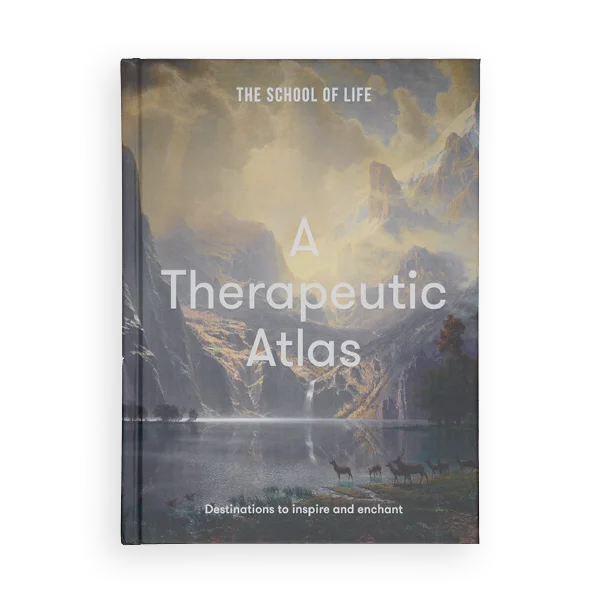
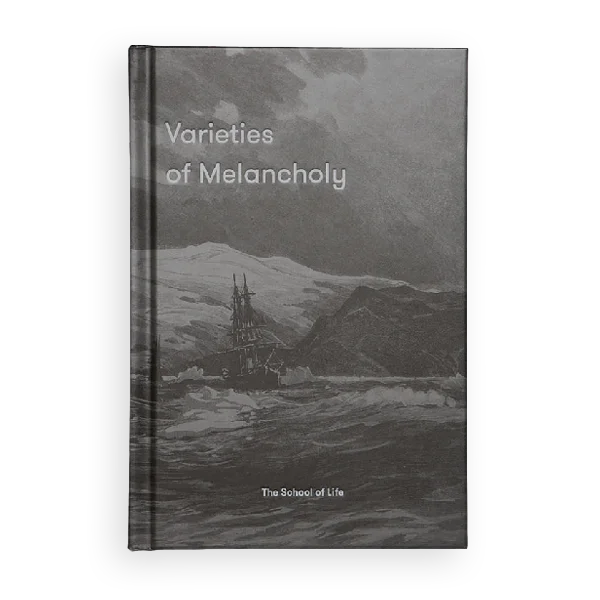
| A candid chat on the inevitabilities of human suffering, and how a shared pessimism can bring relief and a sense of connection. | How psychotherapy can help, and sometimes hinder, our ability to love others. | | | | | On Learning To Live Deeply Rather Than Broadly We tend to measure life by how long it lasts — not how well it’s been lived. This article challenges that instinct, suggesting that the goal is not endless time, but emotional depth: to create meaning now, while we’re still here, in the days that are already ours. | | | | | When Someone We Love Has Died Grief can leave us disoriented — unsure how to live with absence or what to do with all that remains unsaid. This article offers a consoling idea: that love does not end with death, and those we’ve lost may live on - in memory, in imagination, and in the quiet shape of our affection. | | | | | Our lives often take us through emotional states we don’t know how navigate — especially when facing loss or looking for a sense of meaning. A Therapeutic Atlas is a psychological guide through the places around us that offer comfort and consolation in the challenges of being human. | | | | | Encounters with death often stir complex emotions — sadness, longing, reflection — that don’t have easy explanations. Varieties of Melancholy helps us find a more thoughtful response to impermanence — and support us when we're learning to let go. | | | At key moments — when we face loss, change, or the prospect of death — we often find ourselves unsure of what really matters, or how to move forward. The Lessons for Life Collection brings together six essential guides to living well — on topics like love, self-knowledge, calm, and resilience. It’s a philosophical toolkit for life’s suffering, helping us reflect, reset, and live with greater clarity and compassion. | | | Facing the reality of death can awaken questions we rarely say aloud — about meaning, legacy, relationships, and how we’ve lived so far. Sometimes, these thoughts need more than a passing moment. Our 1:1 psychotherapy offers a space to explore these deeper concerns with calm, care, and intelligence — guided by our qualified therapists who can help us reflect more freely, and carry things more lightly. | | | We’re often told either to resist death fiercely — or to accept it without question. But most of us live somewhere in between. This week’s podcast episode explores not just how we die, but how we live in light of it: with honesty, with tenderness, and with a little more care for the time we still have. | | | |