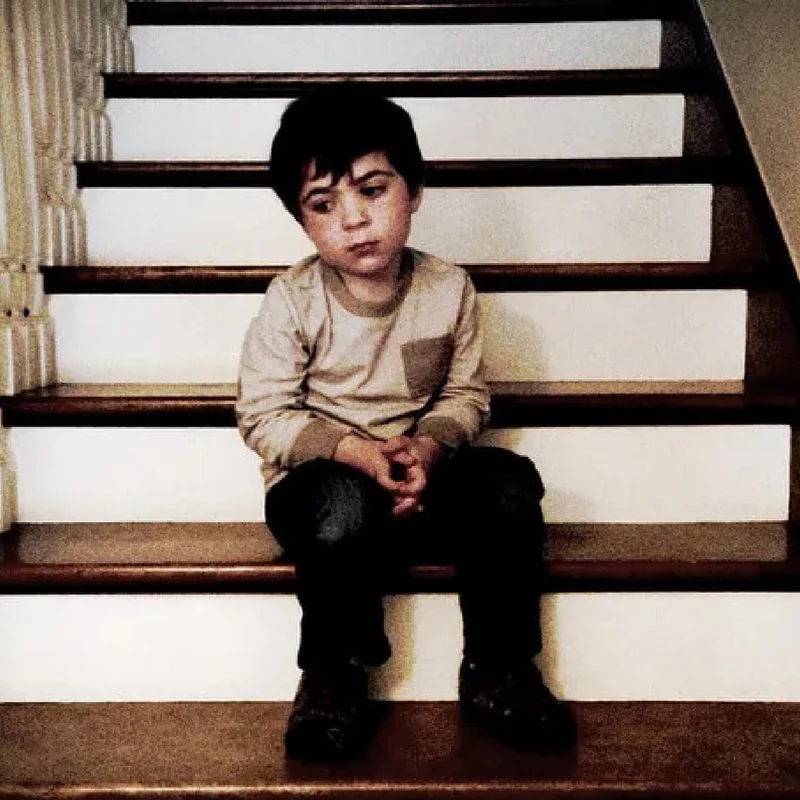
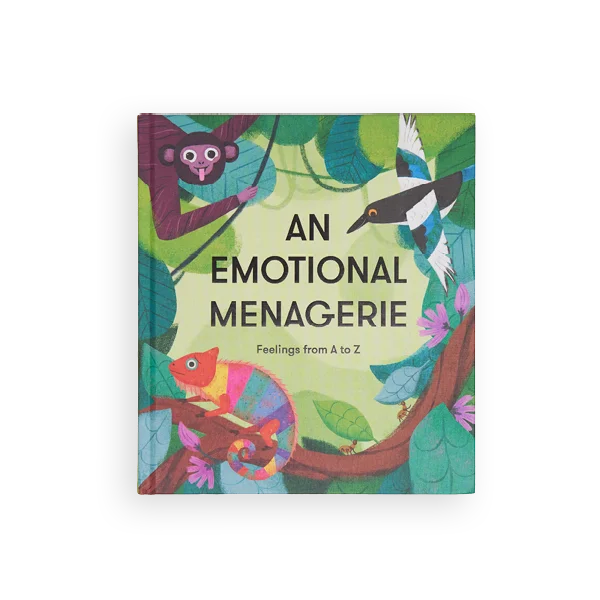
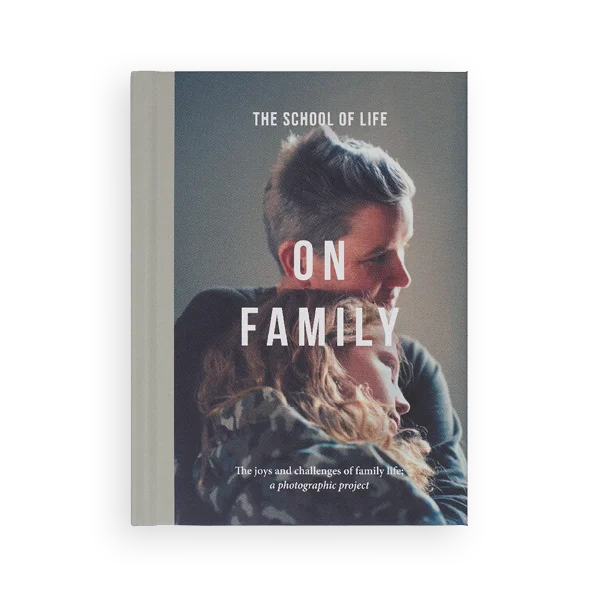

We tend to see quiet, well-mannered children as the ‘well-raised’ ones. But too much obedience can be a cover for something more troubling: a child who believes they must hide their emotions in return for love and approval. A ‘good’ parent, however, allows room for the occasional outburst. When children feel secure, they dare to show frustration, anger, and defiance — because they know we’ll love them anyway. While difficult in the moment, we give them something much more important: a greater sense of tolerance, self-acceptance and freedom to be who we truly are. | | | With 1000+ articles, videos, and lessons, The School of Life app offers daily, personalised content to support parents and caregivers in navigating the inner lives of children through each stage of adolescence. Learn how to let go of perfection, hear what they truly need, and set them on a path to proper emotional maturity. | | | Our App includes a series of daily, guided courses — including How to Be a ‘Good Enough’ Parent — a selection of 22 short lessons for a more honest and generous approach to parenting. It makes space for every emotion, and helps us raise children who feel safe expressing their inner worlds. | | | | | The Dangers of a Good Child Children who are always polite, quiet or accommodating may not be naturally ‘good’ — they may have learned to suppress their feelings to keep love and approval. Learn how such behaviour can unravel over time — and what a more emotionally honest approach might look like. | | | | | Five Questions To Ask Of Bad Behaviour When children misbehave, they’re rarely trying to hurt or reject us. Their behaviour is often a signal — of tiredness, fear, sadness, or a need for reassurance. This reflection offers a more generous lens: one that helps us meet misbehaviour with calm and curiosity. | | | When emotions feel too big and words are hard to find, this beautifully illustrated book helps children name what they’re feeling — and gives adults a calm, thoughtful way to respond. | | When we compare ourselves to the polished view of other families, it’s easy to expect too much. This photographic journey offers a more compassionate view on family life – one that embraces its beauty and its messiness. | | | When children can’t find the words for how they feel, those feelings often show up as ‘bad’ behaviour. This book helps them name what’s really going on inside — so we can better understand what they truly need. | | | We often worry when a child is angry, defiant, or overwhelmed. But these moments are often how they begin to explore – and trust – their inner world. Rather than aiming to raise ‘good’ children, we might aim to raise emotionally honest ones: children who feel safe enough to show us who they truly are. | | | |