JAIMIE PETERSON, ADOBE STOCK
|
|
|
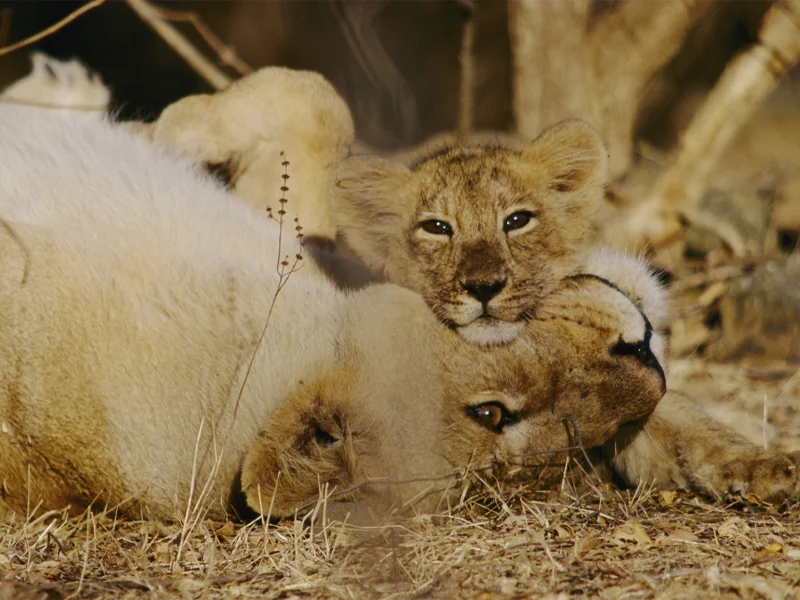
Nearly 30 years ago, National Geographic documented the last of Asia's lions. The images were so powerful, one ended up on the cover.
|
|
|
|
|
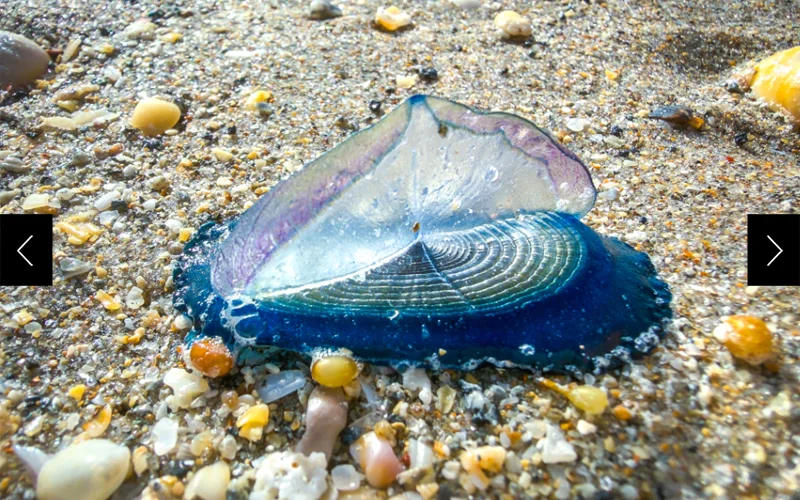
From fermented fruits to hallucinogenic plants, it’s less unusual than you think for wild animals to get a buzz off natural intoxicants.
|
|
ROBBIE GEORGE, NAT GEO IMAGE COLLECTION
|
|
|
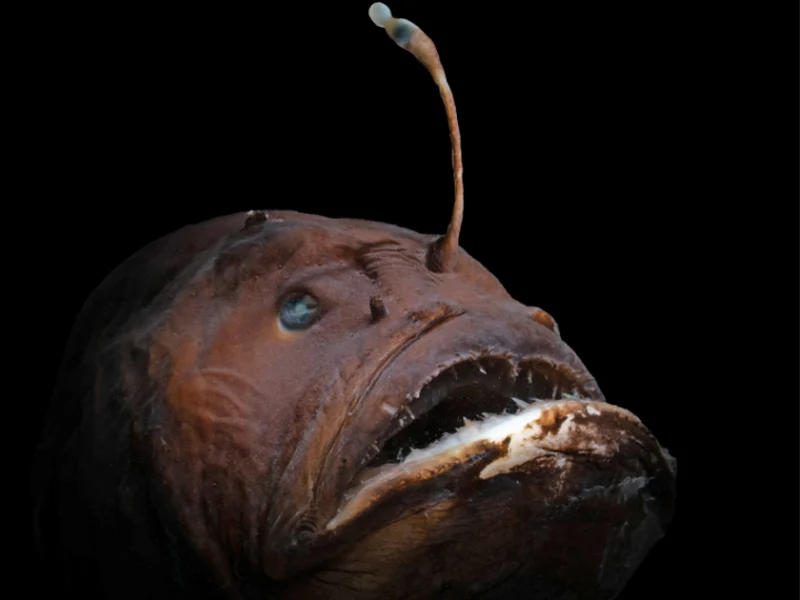
The fish, who live in pitch-black darkness, likely use their bioluminescent lures to find mates. Males then attach themselves to the females—and never let go.
|
|
ALEX MAILE, UNIVERSITY OF WASHINGTON, BURKE MUSEUM OF NATURAL HISTORY AND CULTURE
|
|
|
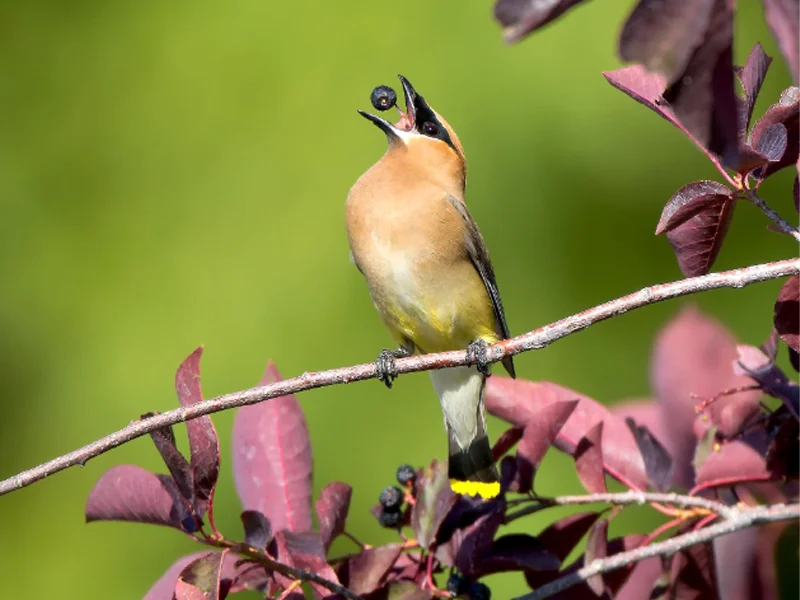
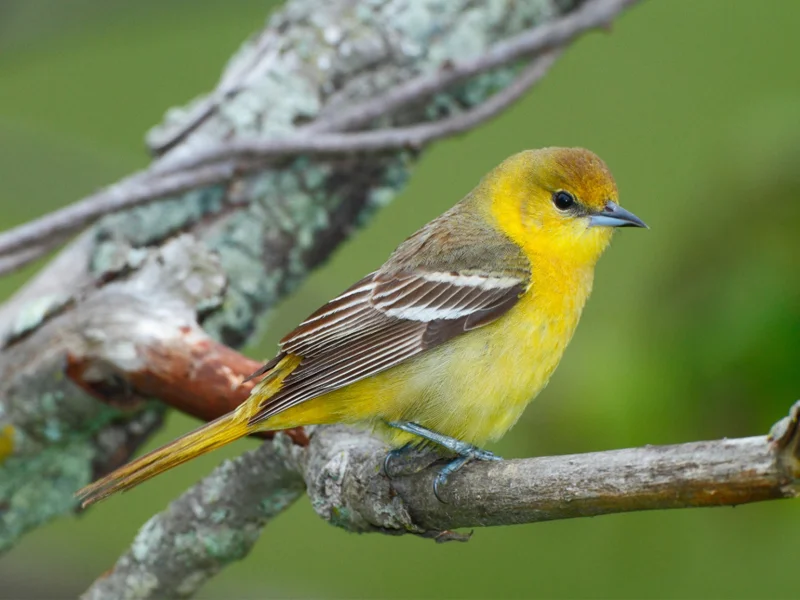
These songbirds have a conspicuous sweet tooth—but experts say putting out oranges and other fruits isn't the only way to turn your backyard into an oriole hotspot.
|
|
GEORGE GRALL, NATIONAL GEOGRAPHIC IMAGE COLLECTION
|
|
|
Today’s newsletter was edited and curated by Sidney Madden and produced by Alisher Egamov. Thanks for reading! Did someone forward this to you? Sign up for all our newsletters here.
|
|
|
Clicking on the Facebook, Instagram, and National Geographic Channel links will take you away from our National Geographic Partners site where different terms of use and privacy policy apply.
|
This email was sent to name@example.com: Please do not reply to this email as this address is not monitored.
This email contains an advertisement from:
National Geographic | 1145 17th Street, N.W. | Washington, D.C. 20036
Stop all types of future commercial email from National Geographic regarding its products, services, or experiences.
Manage all email preferences with the Walt Disney Family of Companies.
© 2026 National Geographic Partners, LLC, All rights reserved.
|
|
|
|