|
Desquamation, scrubs, acids, over exfoliation, & all that shedding jazz. ͏ ͏ ͏ ͏ ͏ ͏ ͏ ͏ ͏ ͏ ͏ ͏ ͏ ͏ ͏ ͏ ͏ ͏ ͏ ͏ ͏ ͏ ͏ ͏ ͏ ͏ ͏ ͏ ͏ ͏ ͏ ͏ ͏ ͏ ͏ ͏ ͏ ͏ ͏ ͏ ͏ ͏ ͏ ͏ ͏ ͏ ͏ ͏ ͏ ͏ ͏ ͏ ͏ ͏ ͏ ͏ ͏ ͏ ͏ ͏ ͏ ͏ ͏ ͏ ͏ ͏ ͏ ͏ ͏ ͏ ͏ ͏ ͏ ͏ ͏ ͏ ͏ ͏ ͏ ͏ ͏ ͏ ͏ ͏ ͏ ͏ ͏ ͏ ͏ ͏ ͏ ͏ ͏ ͏ ͏ ͏ ͏ ͏ ͏ ͏ ͏ ͏ ͏ ͏ ͏ ͏ ͏ ͏ ͏ ͏ ͏ ͏ ͏ ͏ ͏ ͏ ͏ ͏ ͏ ͏ ͏ ͏ ͏ ͏ ͏ ͏ ͏ ͏ ͏ ͏ ͏ ͏ ͏ ͏ ͏ ͏ ͏ ͏ ͏ ͏ ͏ ͏ ͏ ͏ ͏ ͏ ͏ ͏ ͏ ͏ ͏ ͏ ͏ ͏ ͏ ͏ ͏ ͏ ͏ ͏ ͏ ͏ ͏ ͏ ͏ ͏ ͏ ͏ ͏ ͏ ͏ ͏ ͏ ͏ ͏ ͏ ͏ ͏ ͏ ͏ ͏ ͏ ͏ ͏ ͏ ͏ ͏ ͏ ͏ ͏ ͏ ͏ ͏ ͏ ͏ ͏ ͏ ͏ ͏ ͏ ͏ ͏ ͏ ͏ ͏ ͏ ͏ ͏ ͏ ͏ ͏ ͏ ͏ ͏ ͏ ͏ ͏ ͏ ͏ ͏ ͏ ͏ ͏ ͏ ͏ ͏ ͏ ͏ ͏ ͏ ͏ ͏ ͏ ͏ ͏ ͏ ͏ ͏ ͏ ͏ ͏ ͏ ͏ ͏ ͏ ͏ ͏ ͏ ͏ ͏ ͏ ͏ ͏ ͏ ͏ ͏ ͏ ͏ ͏ ͏ ͏ ͏ ͏ ͏ ͏ ͏ ͏ ͏ ͏ ͏ ͏ ͏ ͏ ͏ ͏ ͏
|
“Desquamation” sounds like a term out of Harry Potter or a legal textbook, but it actually refers to our skin’s natural exfoliation process. Skin cells in the deepest layer of the epidermis, the basal layer, gradually move up to the layer of skin we can see and touch, AKA the skin barrier, and throughout this, fully mature, die, and eventually shed off—c’est la vie!
This auto-pilot skin process takes about 28 days or so to regenerate, gradually slowing down as we age. The “or so” can eventually take up to 3 months for adults over 50. Aside from age, other factors also effect this rate, like climate (humidity is favorable to skin), your lifestyle and environment, hormonal changes, UV exposure, and certain skin conditions. This slower rate of desquamation leads to a buildup of dead cells on the skin’s surface, appearing as rough, uneven texture, congestion, acne, dullness, and dehydration.
To prevent this, speed up desquamation again, and support brighter, smoother, and healthier skin, we can assist it by regularly exfoliating through external efforts.
|
|
There are 2 types of exfoliation methods,
physical and
chemical, and we’re here to break them down for you.
|
|
|
|
|
|
PHYSICAL EXFOLIATION
|
Physical exfoliation, AKA mechanical exfoliation, is when you manually polish the topmost layer of your skin from dead skin cell buildup by force. This method can be done with tools such as brushes, loofahs, wash clothes, and even our fingers. Alternatively, wash-off skincare products like scrubs are specifically formulated with grainy particles to achieve this—commonly used ingredients in scrubs include sugar, sea salt, coffee grounds, pumice, and powders you can mix in to your cleanser.
Physical exfoliants have gone through quite the coming-of-age character arc. The infamous St. Ives scrub haunts many of us to this day, and the fear of microplastics being present in these types of products is still high, despite them being federally banned for almost a decade via the
The Microbead-Free Waters Act of 2015. Most scrub formulations available today will contain finely milled, uniform particles to achieve the same effect with a lesser chance of doing serious damage at home.
|
|
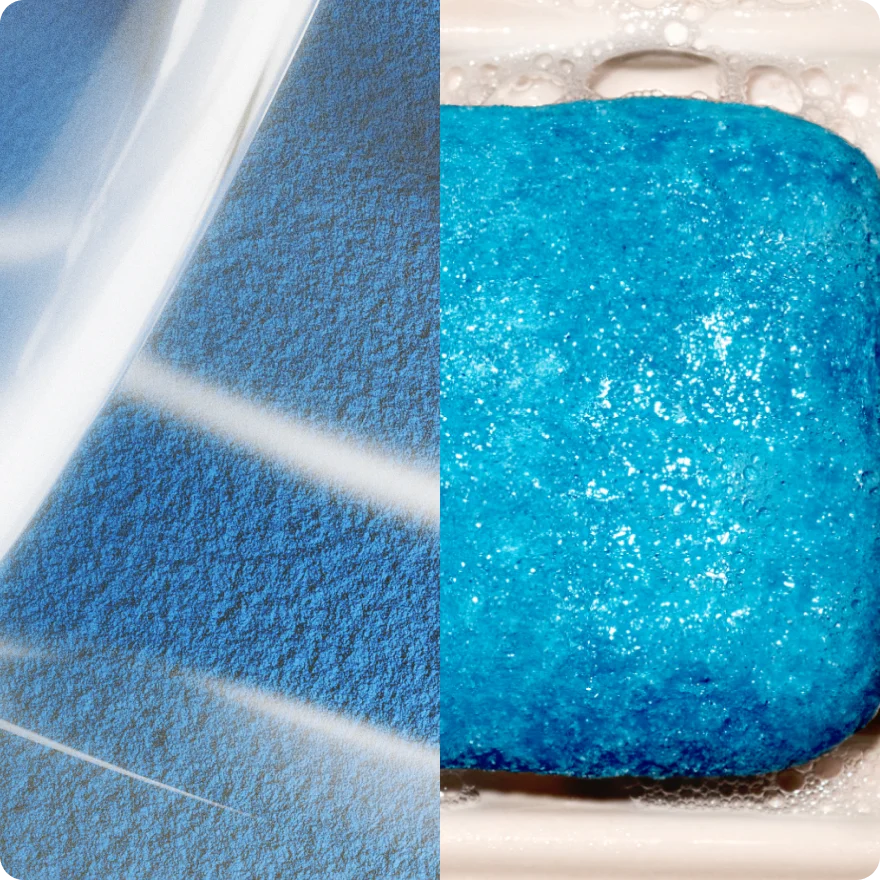
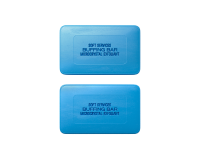
| Buffing Bar utilizes microcrystals (not plastic!) made of
magnesium oxide and
alumina (naturally occurring minerals) to provide moderate-to-intense exfoliation for body skin.
|
|
|
|
|
|
CHEMICAL EXFOLIATION
|
Chemical exfoliation relies on keratolytic agents such as acids, enzymes, and softening ingredients like urea to do the job. These ingredients may sound scary, however most skin types get along well with them (and urea is even naturally present in our bodies), especially when opting for the chemical exfoliant that best targets your skin type and concern in a gentle yet effective concentration. Generally there are two go-to types of exfoliating acids you’ll see out there:
Alpha hydroxy acids, or AHAs, like glycolic acid and lactic acid, work on surface of the skin to dissolve the gluey bond that holds dead skin cells together, allowing them to loosen and easily slough off, revealing smoother and brighter skin.
|
|
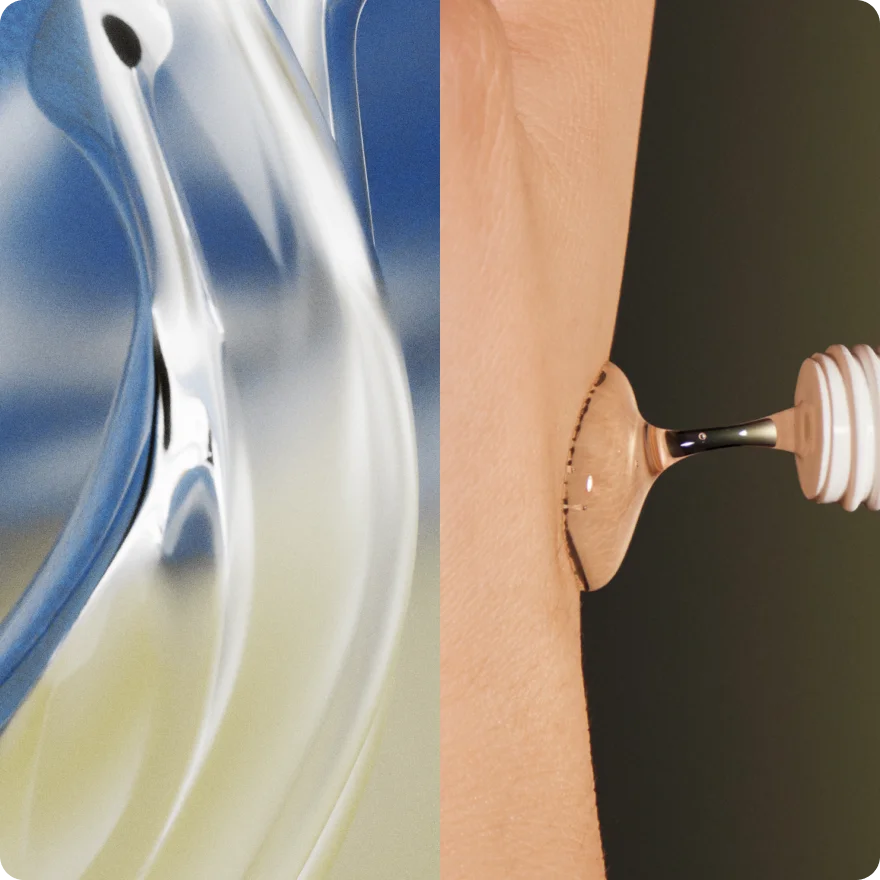
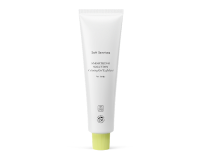
| Smoothing Solution utilizes
10% lactic acid and
5% urea to soften and slough off dead skin buildup, prevent ingrown hair, and even skin tone.
|
| Beta hydroxy acid, or BHA, is most commonly salicylic acid. BHA is oil soluble, which means it has the ability to penetrate into pores instead of just sweeping the surface. It functions by decongesting pores of bacteria, grime, and debris which could potentially clog them and then lead to breakouts. It’s a great option for oily and acne-prone folks as it also has anti-inflammatory properties and helps regulate sebum production. You’ll normally see it used at up to 2% in formulations.
|
|
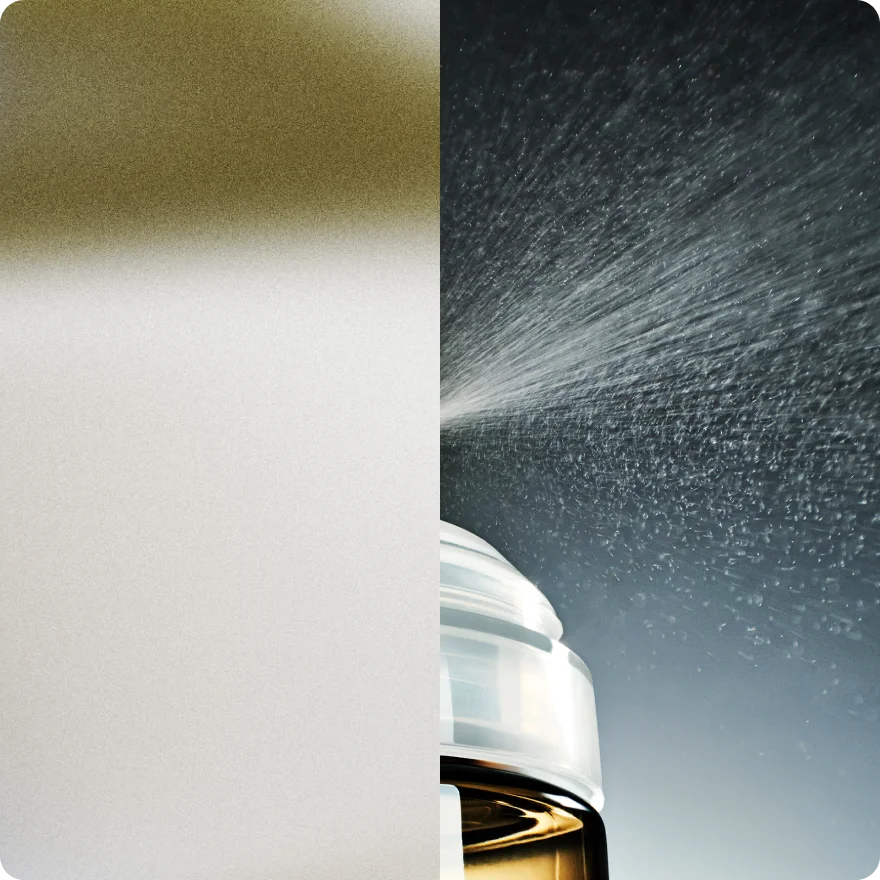
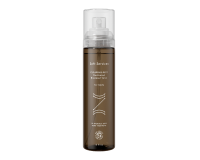
| Clearing Mist utilizes
1% salicylic acid to prevent, treat, and maintain body acne.
|
|
Honorable mentions for the chemical exfoliation village are
polyhydroxy acids (PHAs) and
enzymes. PHA are similar to AHA and are known for having great moisture retention properties. Enzymes are also considered quite gentle. These ingredients are naturally occuring (in fruits like pineapple, papaya, and cranberry) and work by digesting the dead keratin at the top layer of the skin through a chemical reaction. Have you ever eaten a pineapple and suffered the itchy consequence? That’s what that is, science at work.
|
|
|
|
|
| WHICH ONE SHOULD I GO WITH? BOTH? |
| This will depend on your specific skin concerns, skin type, and routine preferences. Everyone’s skin is different, and what one can handle easily, another may not be able to tolerate at all. |
| If you have tough skin and love a tactile approach, you may get along well with a physical exfoliant, though for those with active acne, you’ll want to avoid using a physical exfoliant as this can lead to further inflammation. |
Some of the exfoliating population takes a firm stand on being anti-scrub, as it can be easy to damage your skin. However, this is nuanced. Yes, there is a higher chance of irritation if you using scrubs on sensitive or already irritated skin, though as long as your skin can tolerate it, the formula or tool is not too aggressive, and you don’t do it too frequently, you should have nothing to worry about.
Most of us are targeting additional skin concerns than just uneven texture though, such as acne and hyperpigmention, which physical exfoliants won’t be able address. In most cases, a chemical exfoliant will be able to get more done. Certain chemical exfoliants are known to be better suited for specific concerns and types—BHA for acne and oily skin, AHA for dry skin. It’s worth consulting with a trusted expert like your dermatologist or aesthetician for which ingredients would work best for your skin goals. A gentle blend of a few chemical exfoliants in one formula would be most efficient.
The question of do I need both, physical and chemical exfoliation, is also nuanced—and it depends on your concerns. |
| For example, tackling stubborn skin conditions like the keratosis pilaris you’ve had for most of your life may require the double-edged sword approach. |
Weekly physical exfoliation in the shower, daily gentle chemical exfoliation out of the shower, and consistent moisturization is a baseline treatment plan in this case.
Combo products do exist. A scrub and acid exfoliating treatment all-in-one for in shower use sounds efficient, right? Though since you’re rinsing off that product rather quickly, the chemical exfoliant doesn’t have a long contact time with skin, and while you will still get some benefits, it may not do the job to its full potential. A combo product is a nice option for those with super sensitive skin, though for the most part, we prefer to separate the two types.
Since everyone’s skin tolerates each exfoliant differently, it’s best practice to conduct a patch test to see how your skin reacts beforehand, and gradually introduce them into your routine. |
| OVER EXFOLIATION |
It happens to the best of us! Sometimes the results are so good, we get overzealous and don’t realize how frequently we’ve been exfoliating, so our skin decides to set some boundaries.
As stated in The Science of Beauty by Dr. Michelle Wong (AKA Lab Muffin Beauty Science), “Overuse of exfoliants can thin the stratum corneum too much and impair its barrier function, leading to sensitivity, tightness, and stinging,” so once the damage is done, it is best to halt all exfoliating and treatments. Not to worry, it’s only for a little while.
During this recovery time, focus on soothing the inflammation and strengthening your skin barrier. Pause the use of active ingredients (such as scrubs, vitamin C, exfoliating acids, and retinoids) to give your skin time to repair and bounce back. |
| Whatever exfoliant type you opt for, diligent sun protection and sunscreen use is vital. All exfoliations can make your skin more sensitive to the sun, but also, you’ll want to protect your fresh results from UV sabotage. |
|
|
|
|
|
PHYSICAL, SCRUB
Buffing Bar ($28)
|
|
|
|
CHEMICAL, AHA
Smoothing Solution ($30)
|
|
|
|
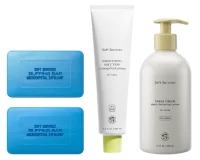
BEST OF BOTH WORLDS
Smoothing Set ($98)
|
|
|
|
CHEMICAL, BHA
Clearing Mist ($26)
|
|
|
|
|
|
|
Free shipping on orders over $65
|
|
|
|
|
|
|