monday.com’s take on the latest work trends - sent on Tuesdays.
|
|
|
|
Inside this issue
|
|
- Workplace trends
- The AI corner
- Empowering employees to job craft in 2026
- Question of the week
- Just for laughs
-
Follow the monday.com weekly on LinkedIn
|
|
|
|
Workplace trends
|
|
Performance
|
|
CEOs are ditching effort-based reviews for results-only evaluations
|
|
Companies like Amazon, Meta, and Citi are demanding employees prove measurable impact rather than describe how hard they tried, according to Fortune. Amazon now requires workers to submit three to five concrete accomplishments, while Citi's CEO warned staff they're judged on results as the bank cuts 1,000 positions. The shift marks the end of the COVID-era's accommodating management style and the pressure CEOs face to grow profits. However, management experts caution that this approach may hurt creativity as employees focus on hitting targets rather than exploring innovative solutions.
|
|
Engagement
|
|
US employee engagement just hit its lowest point in a decade
|
|
Just 31% of US employees felt actively engaged at work in 2025, down from 36% in 2020, representing about 8 million fewer engaged workers, according to a new Gallup research. Gen Z and younger millennials experienced the steepest drops, with engagement falling by 8-9 percentage points. The two biggest drivers of declining engagement were a lack of clarity about job expectations and not feeling cared about as a person. When asked what would help, employees expressed the desire for better communication about company direction and more supportive relationships, according to the report.
|
|
|
|
The AI corner
|
|
Employment
|
|
AI won't destroy jobs, but it will reorganize them
|
|
Politicians are bracing for widespread job losses that won't actually happen, according to a new piece in the Wall Street Journal. Goldman Sachs estimated 300 million jobs are "exposed" to AI, but economists clarify this only means AI could handle some tasks - not that entire jobs will disappear. When technology automates routine work like document review or bookkeeping, employees typically shift to higher-value activities rather than being fired. Paralegals shift from scanning documents to analyzing complex cases, while accountants move from basic tax prep to advisory work. Economists warn that massive retraining programs built around mass unemployment fears could backfire by pulling people from productive jobs and creating panic that leads to companies halting their hiring efforts prematurely.
|
|
Jobs
|
|
Professionals are getting paid to teach AI their expertise
|
|
Thousands of skilled workers are accepting high-paying contract jobs to train AI models to do their own jobs. A Silicon Valley startup called Mercor pays $2 million daily to 30,000 experts across fields like consulting, law, and radiology to guide AI through complex tasks, with hourly rates between $95 and $375. These workers show AI how to solve problems, critique its responses, and demonstrate correct approaches until the models can handle sophisticated work independently. Harvard Business School labor economist Zoe Cullen suggests these trainers should receive ongoing compensation from the AI models they help create rather than just temporary paychecks before potential job loss.
|
|
|
|
Empowering employees to job craft
|
|
|
|
If you’re currently talking with your employees about their priorities and goals for the year, think about making job crafting a discussion point.
Job crafting is when employees reshape aspects of their roles to better match their strengths, interests, and values. Those small, but powerful adjustments don’t just support ongoing engagement — they also help build stronger, more capable employees in 2026 and beyond. Instead of treating their roles as fixed, you can use these early-year conversations to explore where your employees want to grow and how their daily work might shift in small, meaningful ways over time.
Bringing job crafting into goal-setting now helps you and your employee start the year with intention. Then, at the end of the year, you can look back together at where they began, what new experiences they tried, what they learned about themselves, and how their growth made an impact on the team.
|
|
So how can you help your team shape fulfilling roles that grow with them?
|
|
Ask the right questions
|
|
When employees talk about their future job aspirations, it’s tempting to focus on titles. But roles change quickly, and titles don’t always reflect the day-to-day work. So, instead of talking about the job title they hope to grow into, shift the conversation to what excites them and how they want to feel in their work. Ask what kinds of problems they enjoy solving, what tasks make time fly, and what work drains them. If they mention a job they think they want, dig deeper into what specifically appeals to them. Often, it’s not the job itself but a feeling they’re after, such as feeling more creative, influential, or collaborative. This intel will help you make the necessary adjustments to their daily work.
|
|
Key question: “What kinds of work make your employee feel most engaged?”
|
|
Set up learning opportunities
|
|
Once you understand what excites an employee, the next step is helping them build the skills to move in that direction. Sometimes formal training makes sense, so if your budget allows, consider a workshop or class to help them develop a strong foundation in that skill set. Shadowing a teammate or joining a cross-functional project can be just as powerful. Look for low-risk ways they can explore a new area without abandoning their current responsibilities. Maybe they co-lead a meeting or partner with someone who already does that type of work. Learning feels more motivating when it’s clearly connected to where they want to grow.
|
|
Key question:
“What new skills or experiences would help your employee move closer to the kind of work they want to do?”
|
|
Put it into action
|
|
Learning sticks best when employees can immediately apply it. After someone builds a new skill, look for real opportunities to use it on your team to reinforce learning, but also let them test whether they truly enjoy that type of work. These small experiments benefit everyone. Your team gains new capabilities, and the employee gains clarity and momentum. If they discover they don’t love the new work as much as they expected, that’s helpful information too. Job crafting is an iterative process, and pivots are part of the journey.
|
|
Key question:
“Where can your employee apply their new skills in a real project over the next few weeks?”
|
|
Create a roadmap
|
|
Significant changes can feel overwhelming, so help employees break their growth into manageable steps. Together, map out where they are now, where they’d like to head, and the milestones in between. For example, someone interested in more strategic work might start by presenting insights in team meetings, then lead a small initiative, and eventually own a larger planning project. A simple roadmap turns a vague aspiration into a series of achievable moves and helps both of you stay aligned on expectations.
|
|
Key question:
“What are the next one or two steps that would move your team member closer to the work they want to be doing?”
|
|
Check in regularly
|
|
Job crafting isn’t a one-time conversation. Use part of your regular one-on-ones to revisit how things are going. Ask how they’re feeling about their evolving responsibilities, what they’re learning, and whether anything has surprised them. Just as important, talk about capacity. As employees take on new experiences, their workload might feel heavier than expected. These check-ins create space for reflection and adjustment. An employee might discover a new interest, realize something isn’t the right fit, or be ready for a bigger stretch. Regular conversations show that growth is an ongoing dialogue, not just an annual development topic.
|
|
Key question:
“How is your employee feeling about the direction their role is evolving, and what might they want to adjust next?”
|
|
|
|
|
Water cooler chatter
|
|
Spain just became Europe's first country to ban social media for anyone under 16. Following Australia's December crackdown, Prime Minister Pedro Sanchez announced platforms must implement real age-verification systems, not just checkboxes, or face hefty fines.
|
|
"Social media has become a failed state, a place where laws are ignored, and crime is endured, where disinformation is worth more than truth."
|
|
Pedro Sanchez, Prime Minister of Spain
|
|
Amazon cuts 16,000 jobs after accidentally leaking the news to employees.
A draft email about the layoffs was mistakenly included in a calendar invitation before workers were officially informed. The cuts are part of ongoing efforts to bring total expected job losses to around 30,000 roles.
|
|
"This is a continuation of the work we've been doing for more than a year to strengthen the company by reducing layers, increasing ownership, and removing bureaucracy, so that we can move faster for customers."
|
|
Colleen Aubrey, Senior Vice President at Amazon Web Services
|
|
|
|
Question of the week
|
|
Last week’s answer: 60%
This week’s question: What percent of UK employees believe AI will benefit companies more than workers?
|
|
|
|
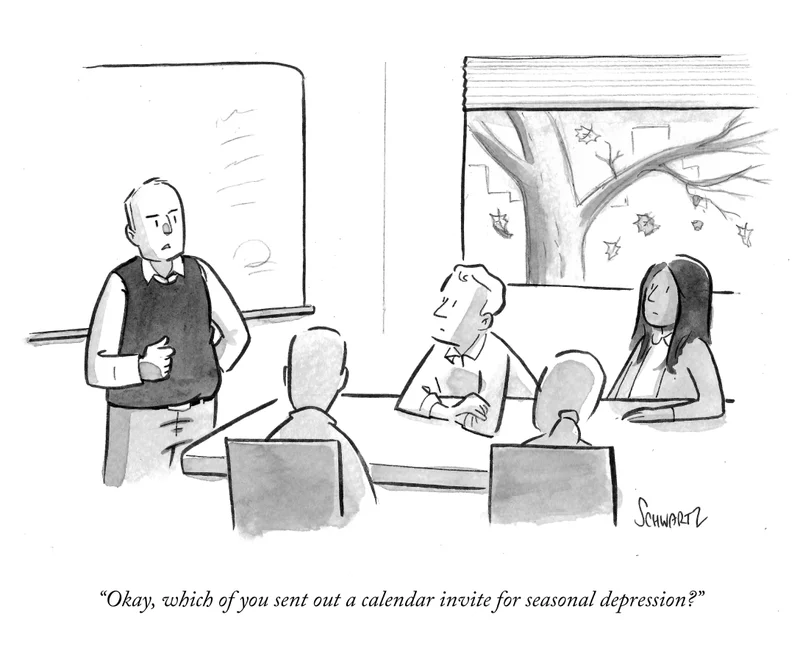
Just for laughs
|
|
|