monday.com’s take on the latest work trends - sent on Tuesdays.
|
|
|
|
Inside this issue
|
|
|
- Workplace trends
- The AI corner
- Leadership resolutions for 2026
- Question of the week
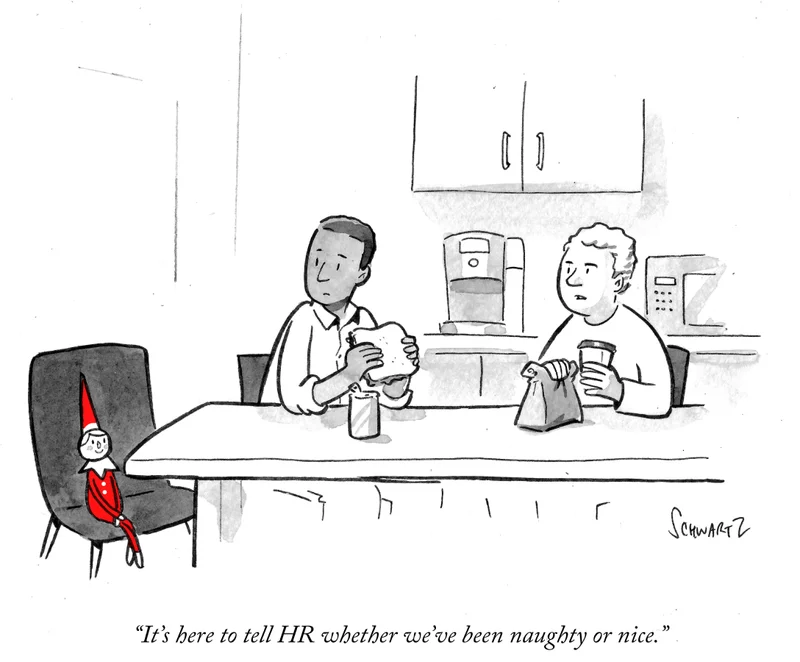
- Just for laughs
-
Follow the monday.com weekly on LinkedIn
|
|
|
|
Workplace trends
|
|
Gender algorithms
|
|
Women test LinkedIn's visibility by switching to male profiles
|
|
Women on LinkedIn are reporting view increases of up to 400% after switching their profiles to male pronouns and using more assertive language, according to reports on the platform. Users suspected the algorithm was suppressing women's content and formed a campaign group called Fairness in the Feed demanding transparency. LinkedIn denies using gender as a ranking signal, attributing reduced visibility to increased competition as posts climb 15% year-over-year. Women self-promote 28% less than men on social media, partly due to cultural conditioning and fear of negative reactions, Nature Communications reports. For business owners relying on LinkedIn to attract clients, reduced visibility could directly impact their ability to compete and generate revenue.
|
|
Employee burnout
|
|
Burnout is a workplace problem, not a personal one
|
|
Nearly two-thirds of employees are experiencing at least one burnout symptom, and those who feel burned out are nine times more likely to report negative impacts on their well-being, according to talent firm Seramount. As companies rush to launch year-end wellness initiatives, psychology professors warn they're missing the point - burnout stems from chronic workplace stressors, not individual weakness. The root causes come from what researchers call "pebbles in your shoe," the everyday frustrations that wear people down over time rather than one-time stressful events. When teams collectively address issues and eliminate unnecessary tasks - what some companies call "GROSS: Get Rid of Stupid Stuff" - it gives employees hope and can meaningfully reduce burnout, Psychology professor explains.
|
|
|
|
The AI corner
|
|
AI training
|
|
The probe into Google's AI summary feature
|
|
The tool that generates summaries above Google search results is raising alarms, as many believe it may be diverting traffic from original content sites. The European Commission is now investigating whether Google has been using website data without fairly compensating publishers and creators. Regulators are questioning if creators have a meaningful way to opt out, especially as falling clicks could chip away at already fragile advertising revenue. AI fairness advocates say creators face an impossible choice: staying visible requires publishing online, yet doing so may allow their work to train systems that ultimately compete with them. European Commission executive vice-president Teresa Ribera emphasized that at its core, this is about whether AI progress is being built responsibly. The findings could reshape how big tech is allowed to use online content in the years ahead.
|
|
Healthcare
|
|
AI receptionists to doctors' rescue
|
|
UK medical practices are deploying AI-powered phone systems to handle the morning rush when patients flood GP surgery lines trying to book appointments. The software can manage multiple calls simultaneously, scheduling appointments, assessing patient needs, and routing urgent cases ahead of routine inquiries. One AI triage system reduced average patient waiting times by 73% at a practice, according to a 2024 evaluation. Healthcare technology experts note the under-funded National Health Service has been quick to adopt AI solutions that cut administrative costs and free up staff time for patient care. The systems maintain strict patient data security standards, a critical concern in healthcare where privacy requirements are among the highest of any sector.
|
|
|
|
Leadership resolutions for 2026
|
|
|
|
The end of year is a natural time to reflect. As leaders, we think about what worked, what didn’t, and what we want to do differently to make a bigger impact for our teams. And this year, leadership resolutions may look a little different than they have in the past.
2025 brought sweeping changes to how work gets done, from accelerated digital transformation and widespread AI adoption to evolving ways of working. With so much change happening at once, teams need leaders who create focus instead of noise, direction instead of urgency, and momentum instead of burnout.
The good news is that small shifts in how you lead can make a meaningful difference. As you head into the new year, this is a chance to reset not just your goals, but your approach to leadership. The goal isn’t to make your team “more productive,” but to show up as a leader who delivers clarity, builds trust, and offers the support people need to do their best work.
|
|
So, what are the most impactful leadership resolutions you can make for next year?
|
|
Lead with clarity instead of urgency
|
|
Urgency has become the default setting for many teams, but the constant “everything is important” messaging can create stress without improving outcomes. This looks like fire drills, late nights, and eventually burnout. In 2026, think about shifting your focus from productivity to clarity. This means giving your team clearly defined priorities, realistic timelines, and shared expectations. When teams know what actually matters and why, they can build a work-life balance that is constant, while actually producing more thoughtful work. Clarity also reduces rework, builds confidence, and helps teams move faster without burning out.
|
|
Key question: “Where could more clarity replace unnecessary urgency on your team?”
|
|
Use AI to become more human
|
|
AI is now embedded in how work gets done, but its most significant leadership value isn’t speed; it’s space. When you use AI to help with planning, summarizing, or creating first drafts, you’re freer to focus on conversations, coaching, and thoughtful decision-making. Think about where you want to show up better as a leader, then use AI to improve in those areas. This might mean preparing for performance conversations, reflecting on feedback, or communicating more clearly. Remember, the goal isn’t automation for its own sake, but creating a stronger leadership presence.
|
|
Key question: “How could AI give you more time and energy for the human side of leadership?”
|
|
Coach more and control less
|
|
As work becomes faster and more complex, micromanagement becomes an even bigger problem than it already was. Eliminating bottlenecks and boosting morale are two good reasons to give your team context, guidance, and trust instead of constant oversight. Coaching-oriented leaders focus on asking better questions, setting clear outcomes, and supporting problem-solving instead of prescribing every step. This approach builds confidence, accountability, and long-term capability across the team. In 2026, try to think less about having the right answers and more about helping others develop them.
|
|
Key question: “Where could you shift from directing work to coaching growth?”
|
|
Make progress visible
|
|
Many employees constantly feel busy but disconnected from impact, which can quietly drain their motivation. Making progress visible helps teams see how their work contributes to larger goals and reinforces a sense of momentum. This doesn’t require grand celebrations; just acknowledgments of small wins, milestones, and steady progress. This year, try to intentionally surface what’s moving forward, not just what’s overdue. Visibility builds trust, reinforces ownership, and reminds teams that their efforts matter.
|
|
Key question: “How will you help your team see the impact of their work?”
|
|
Normalize learning in real time
|
|
The pace of change means no one can have all the answers anymore — and that’s okay. High-performing teams are built around continuous learning, experimentation, and curiosity. You can support your team’s learning this year by asking questions, admitting uncertainty, and encouraging thoughtful experimentation. Consider carving out time in your all-hands meetings to showcase employees who have built their AI skill sets. Or maybe create a lunch-and-learn program where team members teach their peers a new technology. Making learning a part of daily work helps teams adapt faster and feel safer taking initiative.
|
|
Key question: “How will you signal that learning is part of the job, not a detour from it?”
|
|
|
|
|
Water cooler chatter
|
|
An 88-year-old cashier went viral and got $1.7 million. Ed Bambas had been working at a Michigan grocery store since age 82 to make ends meet following his wife's death in 2018. An Australian influencer shared his story on TikTok, prompting over 15,000 donors to contribute through GoFundMe.
|
|
"Oh, my God. It means a terrible burden - I have to find everybody and say, 'thank you."
|
|
Ed Bambas, Grocery Cashier
|
|
Home Depot's giant Santas are sold out and fans are panicking. The retailer's massive 8½-foot reindeer and nearly-as-tall Santa have sparked a resale frenzy, with some decorations selling for over seven times their original price.
|
|
"I thought about it for a few minutes and realized it may be the only chance I had."
|
|
Derek Weeks, on driving five hours for a $300 reindeer
|
|
|
|
Question of the week
|
|
Last week’s answer: 5%
This week’s question: What percent of employees are currently experiencing at least one burnout symptom?
|
|
|
|
Just for laughs
|
|
|