monday.com’s take on the latest work trends - sent on Tuesdays.
|
|
|
|
Inside this issue
|
|
|
- Workplace trends
- The AI corner
- Leading with clear communication
- Question of the week
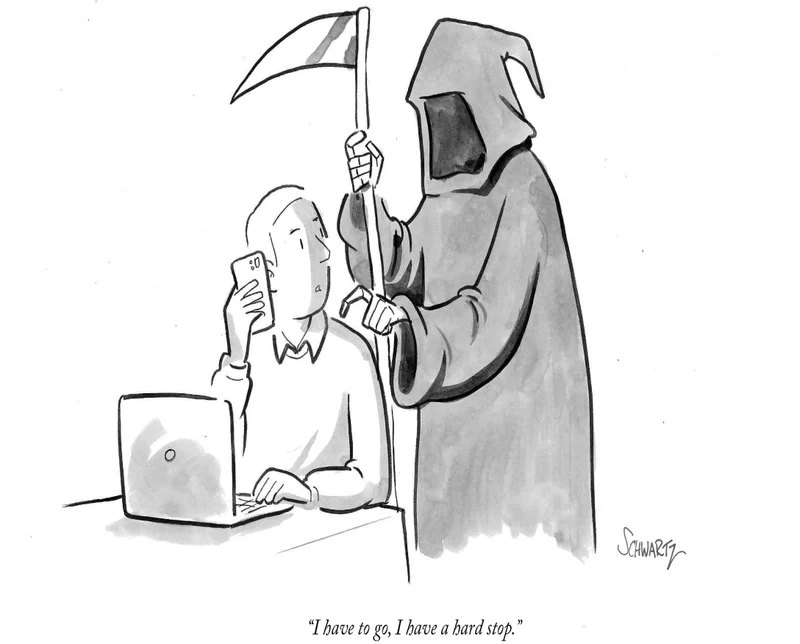
- Just for laughs
-
Follow the monday.com weekly on LinkedIn
|
|
|
|
Workplace trends
|
|
Education
|
|
Parents are ditching college expectations for trade schools
|
|
35% of parents are now open to their kids attending trade schools instead of college, according to American Student Assistance. The shift reflects growing concerns about skyrocketing college costs while entry-level jobs for graduates remain scarce. Trade schools offer a compelling alternative with strong earning potential. Aircraft mechanics, plumbers, and construction managers can all earn six-figure salaries without college degrees, according to the National Society of High School Scholars. Other alternative paths, like coding bootcamps, cost a fraction of traditional college tuition, making the math increasingly favorable for skills-based education.
|
|
Income
|
|
Gen Z is monetizing whatever they can to survive
|
|
Gen Z workers are transforming their lives into portfolios of income sources, treating side hustles as essentials rather than extras. They're "house hacking" by renting apartments larger than needed to sublet rooms, building content creation into routines as passive income, and constantly searching for other new ways to monetize their time. Economists describe this as a generation's adaptation to an economy where traditional single-income stability feels unattainable: one-third of Gen Zers believe they'll never own a home, Fortune reports. Workplace experts see this as a fundamental shift in how young professionals approach earning, where rather than relying on employer-provided financial stability, they're building their own safety nets through multiple simultaneous income streams.
|
|
|
|
The AI corner
|
|
Healthcare
|
|
OpenAI launches ChatGPT to analyze your medical records
|
|
OpenAI introduced ChatGPT Health in the US, letting users share medical records and fitness app data for personalized health advice. The tool analyzes information from apps like Apple Health and Peloton to answer health questions more accurately. More than 230 million people already ask ChatGPT health questions weekly, the BBC reports. OpenAI says conversations are stored separately and won't be used to train AI, and the tool isn't meant for actual diagnosis or treatment. Privacy experts warn the launch raises serious concerns about protecting sensitive health information, especially as OpenAI explores advertising as a business model.
|
|
Hardware
|
|
Your next PC will cost more thanks to AI
|
|
Personal computers, especially Windows-based PCs, are getting more expensive as AI data centers continue buying up all the memory chips, according to the Financial Times. Chip manufacturers are redirecting supply away from PCs toward AI servers, where they can charge significantly higher prices, creating severe shortages and driving up costs for everyday consumers. Analysts now predict PC sales could drop 9% this year due to these price hikes. This supply chain distortion shows how the data center boom is reshaping the entire hardware market, with technology experts warning that it is ordinary buyers paying the price for AI's explosive growth.
|
|
|
|
Leading with clear communication
|
|
|
|
Your effectiveness as a leader largely depends on how clearly you communicate. When your team is left guessing about your expectations, even the strongest strategies can fall flat, and even top performers can struggle to do their best work.
Gallup research shows that fewer than half of employees clearly understand what’s expected of them in their role, contributing to painfully low engagement rates. The connection is easy to see. When expectations aren’t clear, people second-guess decisions, hesitate on direction, or even focus on “looking busy” instead of doing the work that actually matters. Over time, this uncertainty can lead to frustration, disengagement, and missed opportunities, even on otherwise high-performing teams.
Clear communication is a must for any effective leader. When you communicate with intention and clarity, plans are more likely to succeed, and teams feel more confident, motivated, and aligned with the bigger picture. And clarity doesn’t mean over-explaining. It means being thoughtful, specific, and consistent about goals and priorities.
|
|
So how can you communicate more intentionally with your team?
|
|
Understand what you’re asking
|
|
“Strategic whiplash” is a term often used to describe the disorienting effect of constant shifts in direction. Your team shouldn’t feel like their work can change on a whim, which is why it’s important to be grounded in your strategy before assigning work. Before you meet with your team, take time to think through exactly what you’re asking by clarifying what success looks like, what constraints exist, and which tradeoffs you’re willing to make. Do this in whatever way works best for you, like jotting down notes, creating a few slides, or even talking it out. This process will help you to uncover any gaps or areas that don’t quite add up. Remember that if you’re struggling to explain the request simply, it’s often a sign that the thinking just needs a bit more refinement.
|
|
Key question: “Have you clearly defined what success looks like before asking your team to deliver it?”
|
|
Repeat the “why”
|
|
Employees don’t just need to know what to do; they also need to understand why it matters. When work feels disconnected from the bigger picture, motivation can drop, even if instructions are clear. Regularly connect projects back to company goals, customer impact, or team priorities to reinforce how individual contributions help move the organization forward. This messaging can be worked into your weekly one-on-ones, team stand-ups, all-hands, and even daily interactions. Continuously reinforcing the “why” helps employees gut-check daily tasks and new ideas against clear company goals, helping them become masters of prioritization.
|
|
Key question: “How often do you connect day-to-day work back to the bigger picture?”
|
|
Define lanes
|
|
Ambiguity around ownership is one of the fastest ways communication breaks down. When multiple people are involved, teams can easily assume someone else is responsible or unintentionally duplicate work. Clear roles help prevent this, giving teams more autonomy while reducing friction and confusion. That’s why many effective leaders use frameworks like a RACI model (Responsible, Accountable, Consulted, Informed) to define lanes clearly. These frameworks help teams understand who owns the work, who makes decisions, and who needs to be looped in — without endless meetings or back-and-forth. Choose an approach that fits your team, and make sure it’s documented, shared, and easy to reference.
|
|
Key question: “How will you clearly define ownership and decision-making for each project?”
|
|
Proactively check in
|
|
Clear communication isn’t only about broadcasting information — it’s about listening. One-on-one conversations are a powerful opportunity to uncover confusion before it turns into disengagement. Use your one-on-ones to ask what support your employees need, what feels unclear, and where they’re feeling stuck. These conversations create space for honest feedback and allow you to course-correct early. When employees feel safe asking questions, they’re far more likely to stay engaged and proactive rather than silent and uncertain.
|
|
Key question: “Are your one-on-ones creating space for clarification, not just updates?”
|
|
Don’t set it and forget it
|
|
Communicating a plan once isn’t enough. Even the clearest expectations can drift as priorities shift, timelines change, or new information emerges. Without regular touchpoints, teams are left guessing whether they’re still on track. So build communication into the rhythm of the work. Ongoing communication might include regular status updates, shared dashboards, or quick check-ins during team meetings. Maybe even assign someone, like a project manager or team lead, to help keep things moving and surface risks early. Revisiting goals and progress reinforces what matters and gives people confidence they’re focusing on the right work.
|
|
Key question: “How will you revisit priorities and progress throughout the life of a project?”
|
|
|
|
|
Water cooler chatter
|
|
A clothing brand is selling 1,000 hoodies after Maduro was seen in one during his arrest.
|
|
"I was like, 'Oh, you're funny, this is AI or something.'"
|
|
Pete Roberts, Founder of Origin
|
|
Happy hours are disappearing across corporate America. Remote work, shrinking budgets, and declining alcohol consumption have killed the after-work ritual. New York hospitality leaders report companies no longer throw down credit cards for teams like they used to, and workers say they're missing opportunities to bond with managers, the Wall Street Journal reports.
|
|
"In terms of interacting socially in a professional way, we are stunted and we are very aware of it."
|
|
Ochuko Akpovbovbo, Former Adidas Employee
|
|
|
|
Question of the week
|
|
Last week’s answer: 8%
This week’s question: What percent of entry-level jobs require 3+ years of experience?
|
|
|
|
Just for laughs
|
|
|